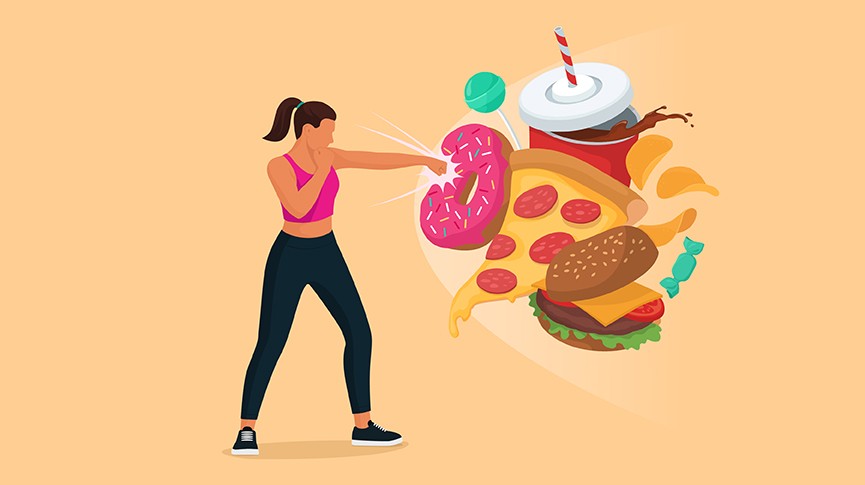
Cramps. Bloat. Insatiable hunger. If you feel like a ravenous zombie right before your period, it’s not a lack of willpower. It’s biology. The luteal phase hits hard. Hormones surge then drop, leaving you chasing empty calories or feeling like a balloon.
The Hunger Games
This phase runs from ovulation (around day 15) until bleeding starts or pregnancy happens. Your body is gearing up for a potential pregnancy. That means massive hormonal shifts. You want chips? Maybe. A whole cake? Also likely.
Here is why.
Estrogen crashes. It usually suppresses appetite. When it drops, mood swings follow. Hunger follows them.
Progesterone takes the wheel. This hormone stimulates appetite, presumably to ensure the body is fueled if an egg does implant. It becomes dominant as estrogen fades.
Serotonin plummets. We lose that “happy” neurotransmitter. So we seek comfort. High-carb and sugary foods trigger a temporary serotonin rush. It feels good. For a minute. Until the PMS blues hit harder with fatigue and irritability.
Satiety cues get scrambled. Ghrelin (hunger) and leptin (fullness) misbehave during this time. Progesterone and estrogen mess with them. You just never feel full enough.
Metabolism ticks up. Resting metabolic rate rises slightly due to a progesterone-induced body temp increase. You burn a few extra calories. Is it a lot? No. Closer to an avocado or protein bar than a family-sized bag of Lays. Don’t use this as an excuse for the binge.
What to Eat
PMS cravings are normal. Sure. But you can counter the bloating and fatigue with specific nutrients. The goal isn’t deprivation. It’s support.
Aim to:
- Stabilize blood sugar for better mood
- Reduce water retention to stop the bloat
- Support progesterone regulation
- Boost serotonin naturally
Magnesium is the MVP.
It helps with water retention, cramps, sleep, anxiety, and irritability. Get more of it.
- Pumpkin seeds
- Dark chocolate (70% cacao minimum)
- Spinach and kale
- Cashews and almonds
- Bananas and avocados
- Black beans and edamame
Vitamin B6 is next. It helps make progesterone and serotonin. It fights the blues. Eat it.
- Lean poultry like turkey or chicken
- Fish, especially salmon, halibun, or tuna
- Organ meats if you’re into that
- Sweet potatoes, squash, and yams
- Spinach, mango, pineapple
- Pistachios and chia seeds
Calcium and Vitamin D. Low levels make PMS worse. Research backs high intake for reducing pain and mood swings.
Eat dairy like yogurt and cottage cheese. Try edamame, tofu, or almonds. Vitamin D is trickier from food. Sunlight helps. Or eat salmon, sardines, and egg yolcs. Supplementation is fine too.
Anti-Inflammatory Meals
Life doesn’t pause for your period. Work goes on. Kids still need dinner. You need fuel that fights inflammation and keeps digestion moving (because constipation is real, thanks progesterone). Mix complex carbs with protein and fiber.
Oats, Yogurt, and Seeds
Steel-cut oats provide slow-release carbs. They steady blood sugar and boost serotonin. Greek yogurt adds protein so you don’t snack an hour later. Fiber helps digestion. Add chia seeds for omega-3s. A drizzle of honey hits the sweet spot naturally.
Tofu, Edamam, and Kale Salad
No cook required. Buy frozen edamame. Shell them into hot water. Press tofu dry, cube it. Massage kale to soften it down—it’s packed with magnesium and anti-inflammatory power. Toss with dressing. Easy.
Salmon with Quinoa
Omega-3s might lower prostaglandins, which cause pain. Cook salmon in the air fryer. Add quinoa and watercress. Simple protein keeps you satiated.
The Takeaway
Your body craves comfort because serotonin drops and progesterone rises. It makes sense. Processed snacks? They backfire. Energy crashes follow the sugar spike.
Choose nutrient-dense food. Eat the magnesium-rich snacks. Hydrate. Comfort food has a place, sure. But keep it in check. The rest of the time, feed the cycle. Not just the cravings.
How long are you going to keep fighting your biology with vending machine chips? 🍫🥦