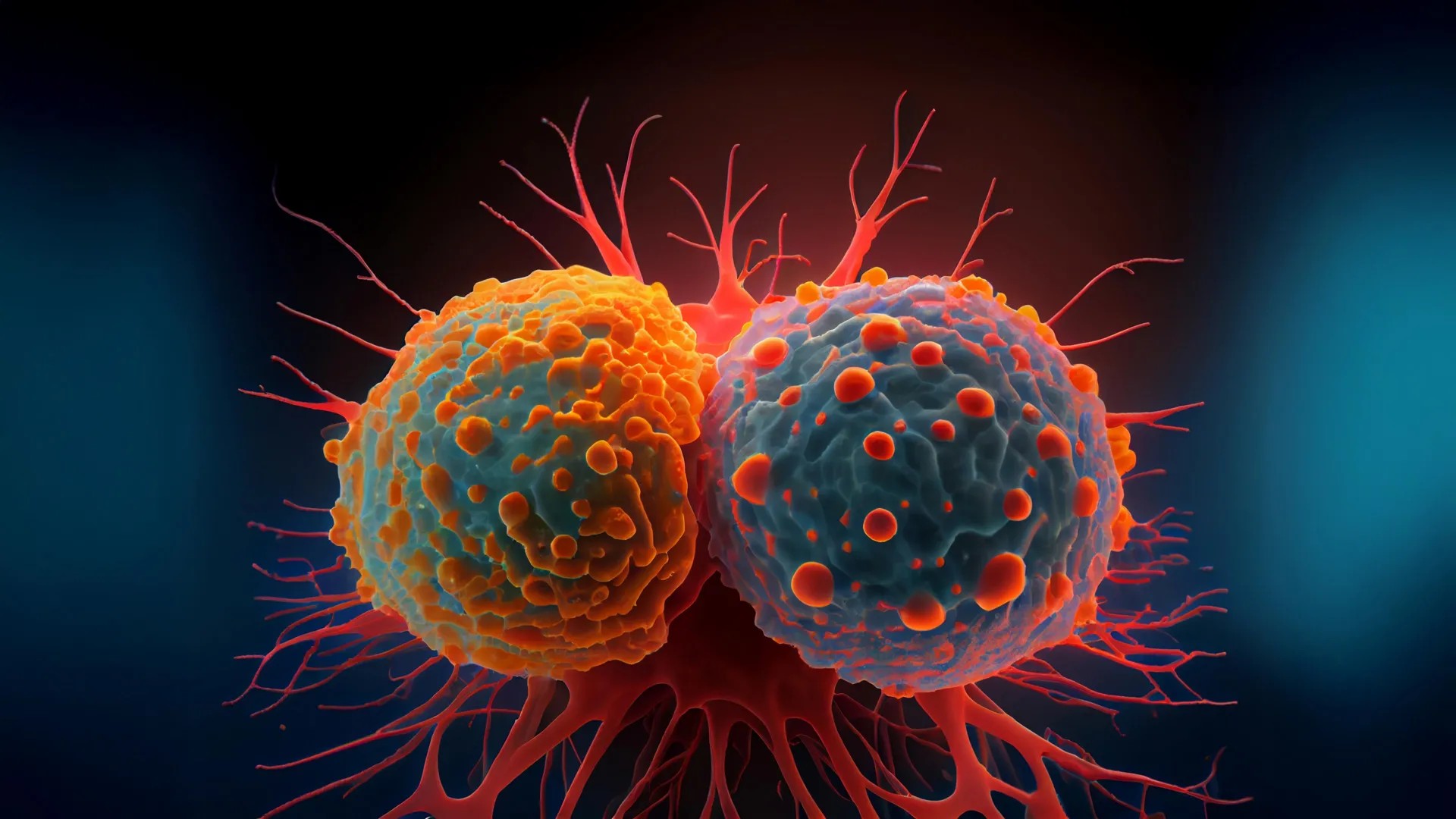
It keeps you alive. Really. Vitamin B12 (cobalamin) handles red blood cells, nervous system function, and the tricky business of copying and repairing DNA. Without it things go wrong. Sometimes seriously so if nobody catches the deficiency.
You get it from meat. Fish. Eggs. Dairy. Fortified bread or cereal works for vegans too. Most of us eating a normal diet hit our targets. Older folks, vegans, and people with gut issues usually need supplements because absorption gets weird or fails completely.
Lately scientists are asking if too much B12 causes trouble. Specifically cancer.
The U-Shaped Curve
Cells divide constantly. DNA copying is delicate. B12 is required for accuracy. Low levels mean copy errors accumulate over decades. That’s how mutations start. Colon cancer risk goes up. It’s why doctors sweat the low numbers.
But what about the high ones?
A 2025 study from Vietnam spotted a U-shaped link. Both very low and very high intake correlated with higher cancer risk. Balance matters. Correlation isn’t causation but the shape is interesting.
It makes sense that you might think more B12 equals better protection. After all healthy cells need it. The problem? B12 doesn’t pick sides. If you have pre-cancerous cells hiding out, extra B12 might feed those too. In theory anyway. Hard to prove in actual humans.
Big studies on high-dose B vitamins don’t show clear protection against cancer incidence or death. One analysis noted lower melanoma risk. Just melanoma. Not general prevention. Some data even suggested slightly higher lung cancer risk in men smokers on long-term high-dose B12 and B6 supplements. Again likely observational noise but enough to raise eyebrows.
Chicken or the Egg
Doctors often see sky-high B12 blood levels in cancer patients. Which came first? Did the vitamin cause the cancer? Or does cancer mess with vitamin levels?
Research says probably the latter. A 2022 paper called it an epiphenomenon. The vitamin shows up with the disease without necessarily causing it. A 2024 study agreed.
Here is how it works. Tumors can strain the liver. The liver stores tons of B12. Strain equals leakage. The vitamin spills into the bloodstream. Some tumors also pump out extra binding proteins. These proteins hold B12 in the blood making tests read high. Your cells aren’t actually using more. The numbers just lie.
So what’s the point of measuring it then?
High B12 isn’t the villain, it’s the billboard.
It signals something is wrong.
The Warning Sign
Elevated B12 can be a useful marker for progression or presence. A large 2024/2026 study ( note: dates in source were 2024 and implied future/ongoing but treated as recent data*) looked at colon cancer. Patients with very high B12 lived about five years on median. Normal levels meant nearly eleven. That gap is huge.
Oral cancer patients see similar patterns. Even in immunotherapy patients, high B12 links to worse outcomes. Unexplained persistently high levels? Don’t ignore them. Could be liver disease. Blood disorders. Undiagnosed cancer.
Does this mean you should fear your steak? Absolutely not.
Food rarely causes excess. Your body filters it. Deficiency is still the common problem. The danger is megadosing without advice. Or having high levels in a blood test when you aren’t even supplementing.
More isn’t always better. You can’t prevent cancer by swallowing giant vitamin pills. Habits matter more. Eat well. Move. Stop smoking. Check your skin. See a doctor regularly.
Take enough B12 if you’re vegan, old, or have absorption issues. But skip the megadoses unless told otherwise. Aim for right not maximum. The goal is enough. Nothing more.
Wait. So do I stop eating cheese?
No. Just stop popping the 10,000mcg tablets.