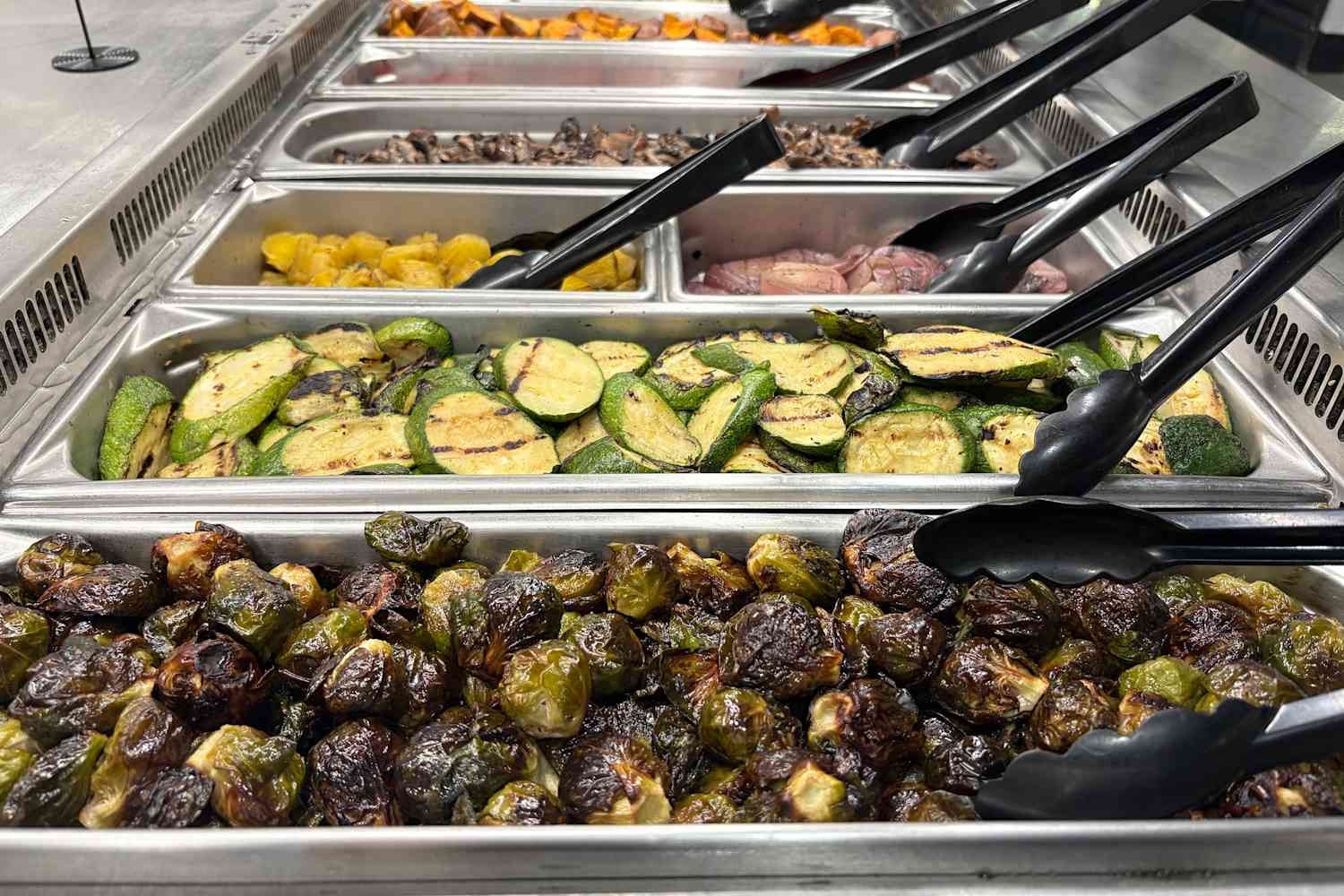
Lunch hits different when you haven’t packed leftovers. The fridge is bare. The clock is ticking. And suddenly, a $20 salad bowl feels like a personal attack on your wallet.
I know that feeling. So I don’t do it anymore. I’ve learned to hunt.
Grocery store hot bars are the unsung heroes of the midday meal. Variety. Speed. No cooking cleanup. And yes, chefs eat there too. A lot. They aren’t just grabbing food; they’re analyzing the prep. They know which places waste ingredients and which ones treat the buffet with respect.
Based on input from seven professional chefs and food industry veterans, three chains stand out. These aren’t random picks. These are the places where the food actually tastes like it belongs in a restaurant.
Whole Foods: The Safe, Solid Bet
Whole Foods isn’t just for people who buy $9 avocados. It’s the top pick for a reason. The hot bar is the most recommended among the chefs I polled. Why? Consistency.
Chef Dennis Hong (Sopo) has a strict rule: If a dish looks and smells good from 10 feet away, it’s winning. He doesn’t play around. His strategy? Mac and cheese (fresh out of the oven), stir-fried veggies, and the daily chicken. Richness. Lightness. Protein. Done.
Maya Aldy-Fletcher (Big Tree Farms) sees it similarly. She looks for thoughtful preparation. “Many dishes are well-seasoned,” she notes. Her build? Roasted vegetables, lean protein (grilled chicken or salmon), and one or two things she’d never bother making at home. She tops it off with salad bar greens for crunch.
Carleigh Bodrug (PlantYou) loves the sheer volume of choices. Vegan options? Plentiful. Rotating soups? Yes. Grain bowls? Absolutely. It’s easy to mix it up. Every visit feels different because the menu shifts with the seasons.
Then there’s Violet Witchel (creator of the viral bean salad). She goes for the heavy hitters. Bean soup. Roasted broccoli. Chicken. Fried rice. A side salad. Simple. Effective. No frills.
If you want a balanced meal without the guesswork, Whole Foods delivers. It’s reliable. That’s worth something.
Wegmans: An Experience, Not Just a Store
Walking into Wegmans isn’t like walking into a supermarket. It’s like walking into a food court disguised as a grocery store. The layout is beautiful. The variety is endless. And the prepared foods section? It’s legendary.
Chris McLaurin (Lutra Cafe & Bakery) calls it his favorite. “Wide selection,” he says. “Fresh and tasty.” He has a favorite move: the “snack dinner.” Grilled meat. Cheese. Olives. Flatbread. A salad or two. Dolmas. It’s a quick, easy Mediterranean dinner in a container. You don’t even have to sit down.
Arash Hashemi (shredhappens author) wasn’t impressed at first. He was in Erie, Pennsylvania, and locals kept telling him, “You have to go to Wegmans.” He thought, It’s a grocery store. How special could it be?
He walked in. He clicked.
“What I loved most was that it never felt repetitious,” Hashemi explained. “Even if I’m grabbing lunch between meetings, I build a bowl. Vegetables. Protein. Sauce. It’s something I haven’t seen in many other stores.”
If you’re anywhere near a Wegmans, stop in. You might just change your mind about buffet food.
H-Mart: The Asian Grocer’s Secret Weapon
H-Mart is different. It’s not just a hot bar; it’s an extensive prepared foods section with Asian cuisine as the backbone. Jan, a professional cook at The Kitchn, calls it her all-time favorite for quick meals.
Why? The variety is insane.
Kimchi pancakes. Vegetable savory pancakes. Steamed buns. Dumplings. Onigiri with different fillings. Rice bowls. Some locations even have food courts with multiple vendor stalls. “They are amazing,” Jan says.
It’s not just about the food, either. It’s about the authenticity. When you can get legit kimbap and fresh dumplings without leaving the city, that’s a win. H-Mart offers something most standard American supermarkets can’t touch: genuine ethnic prepared foods that taste like they came from a street stall in Seoul or Beijing.
If you’re tired of the same old roast chicken and mashed potatoes, this is your answer.
How to Shop Hot Bars Like a Pro (Without Wasting Money)
Priced by weight. That’s the golden rule. If you load up on dense items like mashed potatoes, you’re paying for water weight.
“Dense items like mashed potatoes weigh a lot,” says Chef Hong. “I’d skip those. Pick one or two heavier ‘anchor items’ like chicken. Fill the rest with lighter stir-fried vegetables.”
Here’s how to get the most bang for your buck:
- Time it right. Go midday. Lunch rush means the food is being replenished. Fresh is better.
- Trust your nose. Hong says a well-marinated chicken should smell good. If it smells off, walk away. Glazed dishes should shine. Dull and tacky means old. Sauced dishes shouldn’t have a skin forming on top.
- Ask the staff. Carleigh Bodrug’s best tip? Ask the team member working the bar what’s freshest. They know what just came out of the kitchen. They know what’s about to be refilled. They know the customer favorites. Use that info.
- Experiment. Hashemi points out that hot bars are perfect for trying new global cuisines without committing to a full entrée. Try something you wouldn’t normally order.
- Dinner party hack. Need mashed potatoes for a party but don’t want to peel and boil? Buy them. Need a specific salad topping like dried cranberries? Grab a tiny bit. It’s a shortcut for lazy days.
The Verdict
Not all grocery store food is created equal. Most places treat the hot bar as an afterthought. A place to dump leftover roast beef from Tuesday.
Whole Foods, Wegmans, and H-Mart do it differently. They respect the ingredients. They rotate their menus. They keep it fresh.
So next time lunchtime hits and you’re tired of the same routine, don’t settle for the vending machine. Hit one of these three. Build your bowl. Eat well. Save money.
And if you’re near a Wegmans? Go. Just go. You’ll thank yourself later.