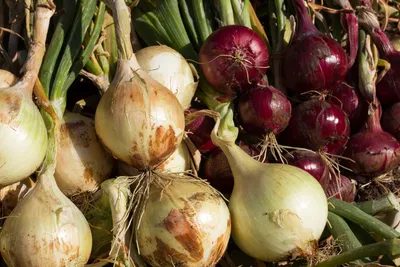
We need to talk about the onion. Specifically, Allium cepa, that biennial plant in the amaryllis family that spends its life underground until you decide to cut it open and make yourself cry. It’s native to southwestern Asia but has traveled far enough to become a staple in temperate zones across the globe. You probably have one in your fridge right now.
They aren’t exactly a nutrient powerhouse. If you’re looking for vitamins, look elsewhere. But nobody buys onions for health. We buy them for flavor. They are the backbone of stews, roasts, soups, and salads. They turn a bland cooked vegetable into something savory. The question isn’t whether you should eat them. It’s how to handle them without turning your kitchen into a tear-jerking ordeal.
The Truth About Nutritional Value
Let’s be honest. Onions are low in nutrients. You won’t find massive amounts of protein or fiber that will change your life. But they are valued for their flavor profile. They add depth. They add complexity. They are used widely in cooking because they provide a base note that other ingredients can build on.
When you chop an onion, you’re not just adding bulk. You’re adding chemistry. The sulfur compounds release. That’s why your eyes water. That’s why your breath lingers. It’s powerful stuff. And it’s good stuff. Just don’t expect an onion to cure a cold.
Why Onions Are Everywhere
The onion is likely native to southwestern Asia. From there, it spread. Now it’s grown throughout the world. Chiefly in temperate zones. Why? Because they store well. They’re hardy. They grow in a variety of climates. And they taste good raw or cooked.
Think about the last time you made a sauce. Did it have onion? Probably. Think about a stir-fry. An onion was likely there. They are versatile. They are affordable. They are available year-round in most places. That’s why they are a kitchen essential. Not because they are healthy. But because they make food taste like food.
How to Handle the Heat
If you’re chopping onions for stews, roasts, or soups, you need a plan. The goal is to caramelize them. Slowly. Over low heat. This breaks down the sugars. It sweetens the flavor. It reduces the pungency.
For salads, you want them raw. Thinly sliced. Maybe soaked in cold water to mellow the bite. Or pickled. Acid cuts through the sulfur. It brightens the dish. It adds crunch.
They are also served as a cooked vegetable. Sautéed. Grilled. Roasted. Each method changes the texture. Each method changes the taste. Raw is sharp. Cooked is sweet. Caramelized is rich. Grilled is smoky.
Where to Buy and Store
You can find onions in almost any grocery store. Look for firm bulbs. No soft spots. No sprouts. The skin should be dry and papery. Store them in a cool, dark place. Not the fridge. The fridge is too humid. They’ll get soft. They’ll mold.
Keep them in a basket. A mesh bag. Somewhere with airflow. And separate them from potatoes.
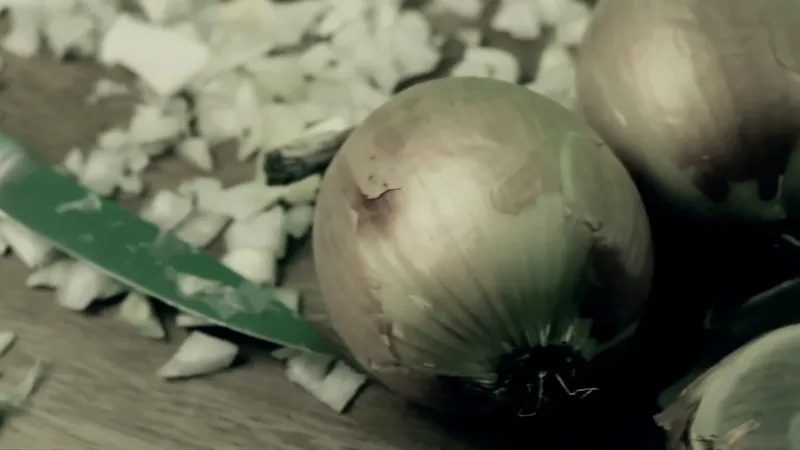
The History of the Onion: From Ancient Roots to Modern Kitchens
The story of the onion isn’t just about agriculture. It’s about survival. It’s about the sulfur-rich volatile oil that has kept armies fed and explorers alive for millennia. If you’ve ever wondered why onions are so central to every major cuisine on Earth, the answer lies in their hardiness and their history.
Ancient Origins and Cultural Significance
The common onion (Allium cepa ) is one of the oldest cultivated plants in human history. Evidence suggests they were grown in the Middle East as early as 5,000 BC. But it was in ancient Egypt where the onion truly rose to prominence. Egyptians believed the spherical shape and concentric rings of the onion symbolized eternity. They buried them with pharaohs, thinking the bulbs would accompany them into the afterlife. It’s a macabre tradition, sure, but it speaks to the vegetable’s perceived value. They weren’t just food. They were currency. They were medicine.
Greek and Roman historians noted the onion’s role in the diets of soldiers and laborers. It was believed to strengthen the body and improve vision. Pliny the Elder even listed 42 varieties of onions known to the Romans. The spread of the onion across Europe and into the New World followed trade routes and conquests. Columbus brought them to the Caribbean. Spanish explorers carried them to the Americas. By the time European colonists arrived in North America, the onion was already a staple crop.
The Global Spread and Agricultural Evolution
For centuries, onions were grown from small black seeds, sown directly in fields. This method required patience and precise timing. But the plant’s versatility allowed for other propagation methods. Some flower clusters produce bulbils, tiny secondary bulbs that can be used to asexually propagate new plants. This adaptability made onions incredibly resilient. They could survive in a wide range of growing conditions, from the chilly soils of northern Europe to the warmer climates of the Mediterranean.
The commercial cultivation of onions evolved significantly over time. While most commercially cultivated onions are still grown from the plant’s small black seeds, modern agriculture has developed techniques for growing onions from small bulbs or from transplants. This shift allowed for more controlled growing cycles and higher yields. The concentric leaf bases of the developing plant swell to form the underground edible bulb, a process that is both simple and remarkably efficient.
Flavor Profiles and Climate Influence
Not all onions are created equal. The bulbs vary in size, shape, colour, and pungency. One of the most consistent findings in agricultural studies is the relationship between climate and flavor. Warmer climates generally produce onions with a milder, sweeter flavor than do other climates. This is due to the concentration of sulfur compounds in the bulb. In cooler regions, the plant produces higher levels of these compounds as a defense mechanism against the cold.
The onion’s characteristic pungency results from the sulfur-rich volatile oil it contains. When you peel or chop an onion, you break cell walls, releasing this oil. The release of this oil during peeling or chopping brings tears to the eyes. It’s a chemical reaction that has puzzled and irritated cooks for thousands of years. But it’s also a sign of freshness and potency.
Why Onions Remain Essential
Despite the rise of processed foods and synthetic flavorings, the onion remains irreplaceable. It provides depth
Onions are not a modern invention. They are among the oldest cultivated plants on the planet. People in India, China, and the Middle East likely knew about them before history was written down. Ancient Egyptians saw the bulb as a symbol of the universe. They liked the shape. The concentric spheres of Aristotle’s cosmos also looked like an onion to them.
The name probably comes from the Latin word unus, meaning “one.” It makes sense. One round shape. The Romans brought onions to Britain. In the New World, Native Americans used a wild variety called Allium canadense. It was pungent. They added it to stews.
For centuries, people have believed onions can cure ailments. Folk medicine uses them for everything from colds to earaches. They treat laryngitis. They handle animal bites. Some people even use them on burns and warts. It sounds strange now. But the onion has always been more than food. It has been medicine.
From Fresh Bulbs to Powdered Essentials
Most whole onions you buy are slightly dried before they hit the market. This process makes the skins dry and paper-thin. It also helps them last longer. But onions come in many other forms. You do not have to buy the fresh bulb every time.
Boiled and pickled onions are common. They are packed in cans or jars. You can find frozen onions too. They come chopped or whole. If you need flavor without the chopping, bottled onion juice is available. It is used as a seasoning.
Dehydrated products have been around since the 1930s. You can buy them in many forms. There is granulated onion. Ground onion. Minced. Chopped. Sliced. Onion powder is made by grinding these dehydrated bulbs. Sometimes it is mixed with salt. This combination is easy to shake onto dinner.
These dried products are everywhere. They are in prepared foods. You buy them directly from the store. They are condiments. They are shortcuts. They are also the result of a plant that humans have valued for thousands of years. The form changes. The utility remains.
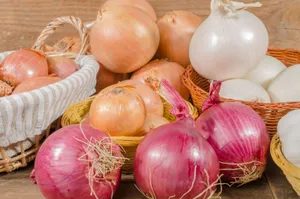
Let’s be real for a second. You’re standing in the produce aisle, staring at a mountain of bulbs, and suddenly you’re paralyzed. White? Yellow? Red? The labels don’t tell you why they taste different or how to actually use them. It’s frustrating.
You don’t need a culinary degree to pick the right bulb. You just need to know what you’re cooking. Here is the straight talk on commercial onion varieties, stripped of the jargon.
Globe Onions: The Workhorses
These are the standard onions you see everywhere. They come in white, yellow, or red. They have a strong flavor profile. That strength is exactly why they belong in soups, stews, and prepared dishes. They hold up under heat.
If you are frying onions, this is your go-to. The flavor concentrates nicely. Do not use them for a delicate garnish. They will overpower the dish.
Bermuda and Spanish: The Mild Giants
Bermuda onions are large and flat. They are usually white or yellow. The taste is fairly mild. This makes them versatile. You can cook them. Stuff them. Roast them. French-fry them.
But they shine when raw. Slice them up for salads. Throw them in sandwiches. The texture is crisp without being aggressive.
Spanish onions take this a step further. They are large, sweet, and juicy. The color ranges from yellow to red. The flavor is mild.
“Spanish onions are best used raw and sliced for salads and sandwiches.”
They are often used as a garnish because they look good and taste sweet. If you want sweetness without the burn, look for Spanish onions.
Cipollini and Italian Onions
Also known as Italian onions, cipollini are flat. They come in red, white, or yellow. They often have a mild, sweet flavor.
You can eat them raw in salads. Use the outer rings as an attractive garnish. They add visual appeal and a subtle sweetness that doesn’t shout.
Shallots: The Delicate Choice
Shallots are small and angular. Typically white inside with brown or red skin. The flavor is mild.
Don’t just throw away the greens. The green leaves are edible. Use them when you need something subtler than a standard onion. They are excellent in vinaigrettes or light sauces.
Pearl Onions: Tiny and Pickled
Pearl onions aren’t a specific variety. They are defined by size. They are small, round, and harvested when 25 mm (1 inch) or less in diameter. Usually white.
They are almost always pickled. Use them as a garnish. Drop them into cocktails. They add a crunch and a tang that cuts through rich foods.
Spring and Green Onions: Young and Fresh
Spring onions are small white onions. Picked between 25 and 38 mm (1 and 1.5 inches) in diameter. The tops are sometimes left attached.
Use them to flavor foods with delicate tastes. Think omelets. Egg dishes. Sauces. Peas. They are also served boiled or baked.
Green onions, or scallions, are younger. Harvested when tops are green and underdeveloped bulbs are 13 mm