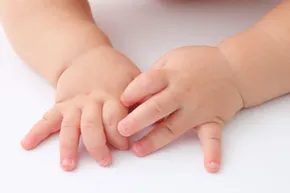
It starts with a tiny hand. Your newborn wraps those miniature fingers around your thumb, and your heart melts. It is a universal moment. But then you look closer. Those tiny nails are growing fast. And they are sharp.
You are probably wondering when to cut them. And how often.
Skipping nail care is not an option. If you ignore them, your baby will scratch his own face. He might even mark you. The goal is simple: keep the claws short enough to prevent injury, but long enough to keep the process stress-free.
When Do You Actually Start?
By the time your baby is born, his nails are already there. They are soft. They are flexible. But they are still capable of leaving red welts on delicate skin.
Some pediatricians suggest waiting a few weeks. The logic is sound. Newborn nails are so pliable that it is easy to nip the skin underneath. If you wait, you might find the nails harden slightly, making them easier to handle. In the meantime, mittens or socks on the hands can act as a buffer.
However, if the nails are long enough to scratch, you cannot wait. The rule of thumb is this: trim them as soon as they become a hazard.
The Weekly Rhythm
There is no single calendar date for every baby. Growth rates vary. Some babies are rapid growers. Others take their time.
As a general guideline, plan on trimming every one to two weeks. For newborns, you might find yourself reaching for the clippers more frequently. If you are unsure about the frequency, look at the tips. If they extend past the fingertip pads, it is time.
Keeping this routine consistent does more than just stop scratches. It prevents ingrown nails. Ingrown nails in infants can be painful and may require a doctor’s visit. Regular maintenance keeps the growth direction healthy.
Making It Less Intimidating
It feels scary at first. Your hands are shaking. The baby is wiggling. You are terrified of making a mistake.
But you are not alone. Every parent has faced this. Once you establish a rhythm, the dread fades. It becomes a mundane part of the care routine, like diaper changes or feeding.
“Keeping your baby’s fingernails clipped will do more than just protect his soft skin; it will also help prevent ingrown nails.”
Practical Tips for Success
- Choose the right tool. Baby-specific clippers are designed for tiny curves. Some parents prefer fine-grit emery boards to file them down slowly. It is slower, but it offers more control.
- Timing is everything. Try trimming after a bath. The nails are softer when wet, making them easier to cut. Wait until they dry a bit so they aren’t too mushy, or do it right before bed when the baby is deep in sleep.
- Lighting matters. Use a good lamp. If you can’t see the tip clearly, you are just guessing.
- Hold firmly but gently. You need stability. Use one hand to hold the finger steady, keeping the pad of the finger away from the blade.
- Don’t panic if you nick. It happens. Apply a bit of pressure with a clean cloth. It will stop. The baby will likely forget about it in minutes.
Why It Matters Beyond Scratches
There is a psychological component too. When your baby’s hands are clean and trimmed, he can explore his face and body without fear. It encourages self-soothing. It also makes physical affection more comfortable for everyone. No more flinching when he reaches for you.
The American Academy of Pediatrics and other health resources emphasize that regular care prevents complications. Ingrown nails are not just annoying; they can get infected. A simple weekly trim is a small investment of time that pays off in comfort and health.
If you are still nervous, start with one finger. Just one. Get the feel of the clippers. Then move to the next. You do not need to do all ten at once. Splitting it up reduces the chance of error and keeps the baby calm.
Ultimately, this is about protection. It is about letting your baby experience