Most of us ignore our feet until the moment they rebel. It is a strange relationship. We rely on them to hold up two hundred pounds of bone and muscle with every single step, absorbing shock and keeping us upright, yet we treat them like an afterthought. But the anatomy involved is brutal. Twenty-six bones. Countless tendons. Complex ligaments. It is a structural marvel that often gets zero respect.
And then it breaks.
The list of foot ailments is exhausting. We are talking about cracked heels that split open, fungal infections that won’t quit, corns, ingrown nails, and the slow decline of fallen arches. Some of this is genetic luck. You get the bad hand. But a lot of it? That is just neglect. The scary part is that these issues don’t stay static. They compound. What is a minor annoyance at twenty-five becomes a disability at fifty-five if you don’t intervene.
You do not need a podiatrist to fix most of this. You just need to stop punishing your feet. Here is the first step in a daily regimen that actually works.
5. Wear Comfortable Shoes
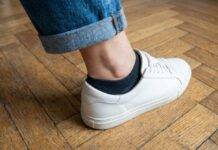
You are what you wear on your feet. If you are walking around in shoes that squeeze, bind, or collapse, you are actively damaging the structure of your foot. It is that simple.
Most people choose style over function until they are in pain. Then they wonder why their feet hurt. The answer is almost always in the closet. You need shoes that fit your actual foot, not a narrow template designed for someone with half the bone structure.
Look for three things immediately. First, width. Your toes should splay naturally. If they are bunched together, the shoe is too narrow. This leads to bunions, hammertoes, and nerve damage. Second, arch support. If you have flat feet or high arches, generic insoles won’t cut it. You need support that matches your foot’s natural curve to prevent strain on the plantar fascia. Third, heel stability. The back of the shoe should be firm enough to hold your heel in place without rubbing.
Avoid shoes with completely flat soles, like flip-flops, for long periods. They offer zero support. Avoid shoes with high heels that force your weight forward. And for heaven’s sake, stop wearing broken-in shoes that have lost their structural integrity.
The goal is to let your feet breathe and function. When you buy new shoes, wear them around the house first. Walk on different surfaces. If your toes feel cramped after ten minutes, put them back. Do not “break them in” by suffering through a week of pain. Break them in by wearing them for short periods until they adapt to your feet, not the other way around.
“Your shoes should adapt to your foot, not your foot to your shoes.”
This is not about buying the most expensive hiking boot. It is about buying the right tool for the job. If you stand at work all day, you need stability. If you walk on concrete, you need cushioning. If you run, you need impact absorption. Mismatched footwear is a leading cause of chronic foot pain.
Start checking your current shoes today. Look at the soles. Are they worn unevenly? Look at the inside. Is
Your feet are taking a beating, and the culprit might be sitting right in your closet. It’s not just about comfort; it’s about structural integrity. Wearing the wrong footwear initiates a chain reaction of pain and deformity that starts long before you feel actual discomfort.
First, fit is non-negotiable. If your toes are cramped, you’re inviting hammer toe, corns, and ingrown toenails into your life. Tight shoes squeeze your foot into unnatural shapes. But going the other direction is just as risky. Shoes that are too large let your heel slide around, creating friction. That friction turns into blisters and calluses. You’ll also notice your heels getting sore and your shoes wearing out unevenly on the outside or inside edges.
Here is a practical rule most women ignore: shop for shoes in the late afternoon or evening. Your feet swell throughout the day, spreading out to their maximum width and length by the time you get home. If you buy morning shoes that fit snugly then, they’ll be a straitjacket by 5 PM.
Also, stop assuming you’ve always worn a size 8 and always will. Feet change. As we age, ligaments loosen, and arches can collapse slightly. You might need a half-size larger now than you did ten years ago. Check your current size. You’d be surprised how many people are walking around in shoes that are too small by design.
Why Proper Fit Matters for Foot Health
Even if the fit is technically correct, the style can still wreck your joints. High heels are the obvious offender. They force your body weight onto the ball of your foot, compressing the metatarsals and altering your spine’s alignment. You can wear them occasionally for a date or an event. Just don’t make them your daily drivers.
For everyday wear, prioritize flat-soled sneakers or supportive flats. The goal is to let your foot sit flat and stable. When your heel is properly seated, your gait is efficient. When it’s not, you’re compensating with your knees, hips, and lower back.
Materials play a huge role in daily comfort too. Cheap synthetics trap heat. They create a humid environment inside your shoe, which leads to odor and fungal issues like athlete’s foot. Look for natural materials like leather or cotton, or technical meshes used in athletic gear. These materials breathe. They wick moisture away from your skin.
Choosing Breathable Footwear Materials
Sweat is inevitable. You can’t stop it. But you can manage it. One simple trick is rotation. Don’t wear the same pair of shoes two days in a row. Give your current pair at least 24 hours to dry out completely. Moisture trapped inside the midsole breaks down the cushioning and breeds bacteria. Rotating your shoes extends their life and keeps your feet healthier.
4. Take a Walk
This sounds obvious, but it’s the best preventative measure you can take. Walking strengthens the intrinsic muscles of the foot. It keeps the arches flexible and the toes agile. If you’re sitting at a desk all day, your foot muscles atrophy. They lose their ability to support your weight.
Start with short walks. Ten minutes after dinner. A lap around the office block. The key is consistency. You don’t need to run mar
It feels wrong, doesn’t it? You think walking would wreck your feet, but they are muscles too. They need work. You cannot isolate foot muscles for lifting. Walking is the only real option. It keeps arches from collapsing later. It keeps tendons loose. And honestly, your dog needs the trip.
But what if your legs ache? What if your feet throb after ten minutes?
Stop before it becomes an injury.
Fix Your Arch Support and Surface
Most pain comes from poor support. Your feet might be pronating or supinating without you knowing. Store measurement devices can tell you exactly which insert you need. They look at your weight distribution and foot shape. Pick the right one. It keeps your foot in the proper position. It takes the pressure off your ligaments.
“Many stores have special measurement devices that will tell you which type of support is right for your foot.”
If pavement is still too hard, change the ground. Asphalt is brutal on joints. Try grass. Try dirt trails. A soft cinder track works too. The cushioning absorbs the impact. Your knees will thank you. Your ankles will stabilize faster.
Shoes matter too. Breathable fabric. A snug fit. Not too tight, not too loose. If your toes are squished, you are already damaging the structure.
Wash Your Feet Every Day
We’ve all been there. You’re scrubbing away at your shoulders and legs, rinsing off the day, and then you step out of the shower without ever touching your feet. It happens to the cleanest of us. It’s a quick escape from a chore that feels tedious. But that shortcut has a cost.
Your feet live in shoes for hours every single day. That environment is dark, warm, and damp. It is the perfect breeding ground for bacteria and fungi. When you skip the wash, you let sweat and grime build up day after day. The result? Smelly feet. Worse, it opens the door to fungal infections and other dermatological issues that are far harder to fix.
You don’t need an expensive, branded foot scrub to solve this. Standard soap works fine. The key is thoroughness. Lather up. Pay attention to the spaces between your toes. That’s where the moisture hides. And just as important as the washing is the drying. Don’t just walk out wet. Use a towel to get between those toes completely. Trapped moisture is a ticket to trouble.
If you want to keep things dry longer, consider a foot powder. It helps absorb the humidity before it becomes a problem.
2. Moisturize
It feels counterintuitive. We spend half our lives trying to keep our feet dry. Deodorants, powders, breathable shoes. So why are we talking about adding moisture back in? Because dry skin isn’t just uncomfortable. It’s cracked. It’s scaly. It’s the result of the daily grind your soles endure.
If you live somewhere hot and sunny, and you’re in sandals most days, you know exactly what this looks like. The sun bakes the skin. The wind dries it out. The pavement abrades it. You end up with rough patches that feel like sandpaper.
The solution isn’t complex. It’s not a clinical procedure. It’s cocoa butter moisturizing for feet.
Rub it in every day. A natural emollient, it locks in hydration without clogging pores excessively. You can do this in the morning. Just skip the toes. Keeping that area dry prevents fungal growth, which loves damp, dark spaces.
But if you’re dealing with serious scaling, the morning routine isn’t enough. You need an overnight routine.
Here’s how to do it without ruining your sheets:
- Coat your feet in cocoa butter. Thick layer.
- Put on a pair of comfortable cotton socks.
- Sleep.
The socks act as a barrier. They hold the butter against the skin. They stop the transfer to your pillows. By morning, your feet will be softer. Noticeably softer.
Why Cotton Socks Work Better Than Synthetic
You might be tempted to grab those cheap, thin socks from the dollar bin. Don’t. Synthetic fibers trap heat and sweat. Cotton breathes. It allows your skin to regulate temperature while still providing the occlusive layer needed for the cocoa butter to penetrate.
Think about the friction. Walking around in bare feet with rough skin creates more friction. Friction leads to blisters. Blisters lead to pain. Pain leads to staying indoors. It’s a cycle you want to break.
“The socks will hold the cocoa butter against your skin and keep it from getting all over your sheets.”
This isn’t just about aesthetics. It’s about function. Smooth skin moves better. It heals faster. It doesn’t crack open when you step on something sharp.
Addressing the “Why” Behind the Routine
Why not just use hand cream? It’s easier to reach. Hand creams often contain fragrances or alcohols that irritate the thicker skin on the feet. Cocoa butter is simpler. It’s pure. It works.
Is it instant? No. Skin turnover takes time. You won’t see results in an hour. But after a week of nightly sock-and-butter sessions, the difference is tangible. The cracking stops. The scaliness fades.
What about between the toes? Again, skip it. Dryness there is usually a sign of fungal issues, not dehydration. If you have athlete’s foot, moisturizing that area might trap moisture and worsen the infection. Keep the heels soft. Keep the toes dry.
It’s a small shift in routine. Takes thirty seconds. But the payoff is immediate comfort. And for women who are on their feet all day, comfort is everything.
What If Cocoa Butter Isn’t Available?
The Unsung Hero of Foot Care: Why Socks Matter
We talk a lot about shoes. They are the foundation, the armor, the statement. But socks? They are often an afterthought. Tossed in the laundry, ignored in the drawer. Yet they are the first line of defense for your feet. And honestly, they deserve more credit.
Socks aren’t just fabric. They are a functional layer in your daily routine. They protect. They absorb. They wick. Without them, your feet are exposed to raw friction and sweat.
Shock Absorption and Age
Think about your heels. When you walk or run, the impact doesn’t just hit the ground. It travels up. Your heel has a natural cushion—a layer of fat. It’s there to absorb shock.
But here is the thing. That fat layer thins as you age. If you are younger, you might not notice the difference. If you are older, or if you spend eight hours a day standing, your heels are vulnerable.
Shoe inserts help. Insoles are great. But thick, cushy socks add another layer of protection. They take some of the sting out of every step. It’s simple physics. More cushioning means less strain on your joints.
The Blister Barrier
Socks create a barrier. Your skin rubs against the inside of your shoe. That friction causes blisters. It causes calluses. It causes pain.
A good sock prevents that direct contact. It reduces the friction. It keeps your skin smoother for longer. You don’t need to buy expensive gear to avoid blisters. You just need to wear the right socks.
Moisture Management
Sweat is inevitable. Feet sweat. A lot. If that moisture stays trapped, you get maceration. Soft, white, soggy skin. That leads to fungal infections. That leads to bad odors. That leads to discomfort.
Socks pull that moisture away. They wick it out.
For everyday wear, natural fibers are your best friend. Cotton. Wool. They absorb sweat. They let the air in. If your shoes have leather or mesh, they can breathe. The sock moves the moisture to the shoe’s breathable areas. It keeps your feet dry.
Performance vs. Daily Wear
Athletes need something different. High-performance socks exist for a reason. Synthetic materials are better at wicking. They don’t compress as much when wet. Cotton gets heavy. It stays wet. Synthetic blends stay lighter. They move moisture faster.
If you are running miles, go synthetic. If you are walking the dog or working in an office, cotton or wool is fine. Know the difference. Use the right tool for the job.
Your feet carry you through life. They take a beating. Don’t ignore the layer right next to your skin. It does more work than you think.