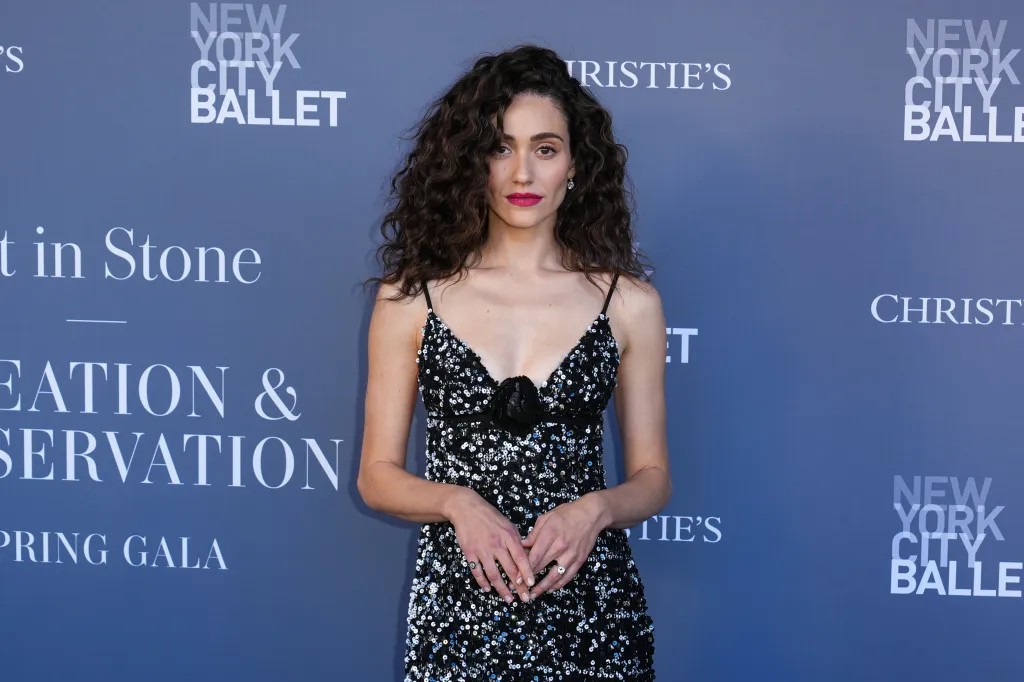
Emmy Rossum thought her body was broken. Or at least complicated. She has PMOS (often called PCOS), a hormonal mess that makes getting pregnant harder than it needs to be. She tried naturally. It failed. She tried intrauterine insemination. That didn’t work either. Finally, IVF. The big gun.
But when she woke up after her egg retrieval, the numbers didn’t match the struggle.
“They woke me up and said I had 72 eggs.”
Trippy? Bizarre? Yes. But maybe not weirdly so.
More eggs, less maturity
Here’s the twist people forget. PMOS doesn’t mean empty ovaries. It usually means the opposite. You’ve got eggs. Lots of them. Just sitting there. Immature. Waiting.
According to the American Medical Association, folks with PMOS actually hold more eggs than the average person. The problem? Hormones aren’t releasing them naturally. The follicles stay quiet. Until you hit them with stimulation drugs during IVF.
That’s when things go haywire. The SAFE Fertility Group notes that these ovaries respond really well to the meds. They wake up. All of them. Suddenly you’re looking at a harvest instead of a few choice selections.
Rossum called herself a “super responder.”
Quality over quantity?
Having 72 eggs sounds like a jackpot. Until you remember the fine print. PMOS affects egg quality, too. Maturation can be messy. Not all those eggs will be viable. Some might not even be capable of fertilization. It’s not just a count. It’s a lottery ticket stack with lots of blanks.
So 72 is a big number. It doesn’t guarantee a baby. But for Rossum? It worked out.
Her journey was long. Ovarian cysts in her twenties were “debilitating.” She went through the gauntlet. IVF became the final step.
The result? A daughter in May 2022 (actually 2021 per the source). Then a son in April 2023 with her husband Sam Esmail.
The anxiety after the birth
Everyone talks about depression after birth. Less so about anxiety. It’s real. And it’s common. One in five women face it.
Rossum called hers “very intense, intrusive thoughts.” It’s underdiagnosed. Olivia Munn said dealing with postpartum anxiety was harder than battling breast cancer. Maybe it should be talked about more.
But Rossum didn’t just survive it. She shifted.
Despite fearing childbirth. Despite the long road to get there. The moment she held her daughter, the fear broke.
“I was overtaken by vulnerability.”
The thing she protected inside herself was now out. Fragile. Exposed. Anything could happen.
“This thing that we’ve been able to make safe inside of you… is now outside… and so vulnerable.”
It wasn’t triumph. Not exactly. It was surrender. A recognition of how delicate life actually is once it leaves the sanctuary of the womb.