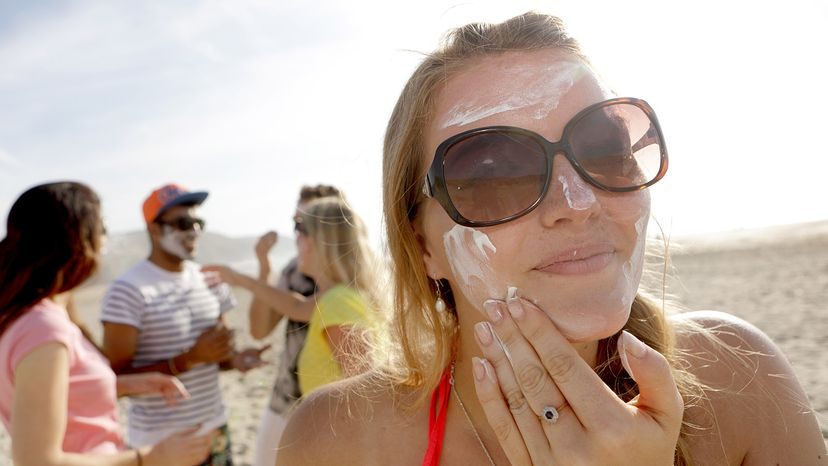
Summer is supposed to be about freedom. You want to be outside. You want to feel the heat. But ignoring the risks of sun exposure is a quick way to turn a lazy afternoon into a medical nightmare. Most of us remember the lotion for our arms and legs. We forget the lips. If you aren’t using a lip balm with SPF, you are inviting trouble. The skin on your lips is thin and sensitive. It burns easily. It blisters painfully.
Sunburn isn’t just a tan gone wrong. It is actual skin damage from ultraviolet (UV) rays. For fair-skinned individuals, the risk skyrockets. The damage ranges from a mild pink flush to a severe second-degree burn. When the burn is severe, the skin reacts by forming fluid-filled pockets. These are blisters.
The Unique Danger of Lip Blisters
Sun blisters on your skin might be annoying but manageable. Lip blisters are a different beast. The mouth area is inherently sensitive. Nerves are close to the surface. When those small, barely visible water blisters form, they hurt. If they burst or grow larger, the pain intensifies. Worse, the moist environment of the mouth makes infection a real possibility. Ignoring this isn’t an option.
Can You Fix It At Home?
Here is the good news. You likely don’t need a hospital for this. Small, unbroken blisters often heal on their own. Your body is resilient. But waiting it out means enduring discomfort. Why suffer if you don’t have to? Over-the-counter lotions and medications can help. There are also home remedies that work.
However, pain can be paralyzing. It makes simple tasks like eating or talking unbearable. If you are in too much pain to think straight, you need immediate relief. The goal isn’t just healing. It’s stopping the agony so you can function again.
Relieving Pain From Sun Blisters on Lips
The first step isn’t treatment. It’s numbing. You cannot heal effectively if you are writhing in pain. Start with cold. Ice doesn’t just numb the nerves; it reduces the swelling. Wrap ice in a thin cloth. Never put ice directly on blisters. You risk frostbite on already damaged skin. Hold it against the lips for ten minutes. Take a break. Repeat.
Hydration is non-negotiable. Sunburn draws moisture from the body. Your lips crack if they dry out. Drink water constantly. This helps internal healing from the inside out. It also prevents the lips from sticking together, which is a special kind of hell you don’t want to experience.
Next, consider an over-the-counter hydrocortisone cream. A tiny amount can reduce inflammation and itching. Use it sparingly. Don’t ingest it. If the blisters are open, skip the cream. Stick to plain petroleum jelly or aloe vera gel. These create a barrier. They keep air out and moisture in. Air is the enemy of a healing blister.
Avoid spicy foods. Acidic fruits like oranges or tomatoes will sting. They will also irritate the inflamed skin. Stick to bland, cool foods. Yogurt is perfect. It’s cool. It’s soft. It provides protein without the burn.
Pain relievers like ibupro
When Sunburn Blisters Take Their Time
It is frustrating when your sunscreen routine fails. You might feel the sting immediately. Redness appears. Tenderness sets in. But sometimes, the worst part hides. Blisters often wait. They can surface within hours. Or they might take days to emerge after that excessive UV exposure.
Size varies. A minor burn might give you tiny bumps. A severe burn brings larger, painful fluid-filled sacs.
These blisters are nasty on the lips. Why? Because you use your mouth constantly. Eating. Talking. Smiling. Every movement irritates the tender skin. The pain can be sharp. Your first instinct is to stop the hurt. You don’t think about curing the blister yet. You just want relief.
Soothing the Burn Before Treating the Wound
Inflammation is the culprit. It causes the swelling and the ache. To fight it, you can take aspirin. Acetaminophen works too. Ibuprofen is another option. These reduce inflammation. They ease the discomfort enough for you to breathe.
Topical gels help as well. Look for cooling formulas. Aloe vera is a classic choice. Some gels include corticosteroids. Others have antihistamines. Apply them to the sunburned lips. They soothe the pain. They moisturize the damaged barrier.
Protection is equally important. Avoid further sun exposure. Let the blisters heal. More sun means more pain. Keep the area dry. Keep it cool. Do not touch the blisters. Irritants will make things worse.
Home Care for Lip Blisters
Once the initial shock subsides, focus on healing. A basic sun blister should heal on its own. You can speed things up with care.
Do not pop them. If the blister is small and unbroken, leave it alone. Popping does not help. It invites infection. Even if you think you can drain a large blister with a clean needle, don’t do it. The skin around your lips is incredibly sensitive. You risk damaging the new skin underneath.
Keep the blister intact. It is a natural bandage. It protects the raw tissue below from bacteria.
Clean the area regularly. Apply an antibiotic ointment. Polymyxin or bacitracin are good options. This prevents infection. Cleanliness is critical here. You cannot bandage your lips. They touch everything. Food. Drinks. Air. Germs.
Avoid petroleum-based products. Skip lotions with benzocaine or lidocaine. These can do more harm than good.
Sun Burn vs. Sun Poisoning
Not all bad sun reactions are the same. Some people react severely. This is sun poisoning.
Signs include fever. Chills. Nausea. A rash. If you have these symptoms, call your doctor. It is not just a burn. It is a systemic reaction.
Warning Signs of Infection
Watch your blisters closely. If they change significantly, you may have an infection. Look for increased pain. Swelling might worsen. The skin around the blister could turn red or feel warm.
Pus drainage is a bad sign. Fever is another. Swollen lymph nodes in your neck or jaw indicate your body is fighting something.
If you see these signs, see a doctor. Do not wait.
Quick Facts on Lip Blisters
What do they look like?
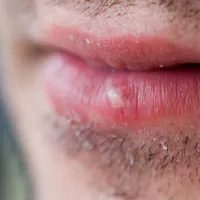
They range from small, barely visible bumps to large, painful sacs. On the lips, they often appear as white, fluid-filled bumps.
How long do they last?
Like sunburns elsewhere, symptoms typically last three to five days.
What is inside?
The fluid is usually serum. It can also be lymph or plasma.
Should I pop them?
No. Small blisters clear up on their own. Popping disrupts the protective barrier. It leads to infection.
How do I treat sun poisoning?
Take aspirin, acetaminophen, or ibuprofen for inflammation. Use cooling gels with aloe, corticosteroids, or antihistamines. Keep blisters intact. Clean them. Apply antibiotic ointment.
When to see a doctor?
Home treatment works for most sun blisters. But if symptoms worsen or infection signs appear, get professional help.