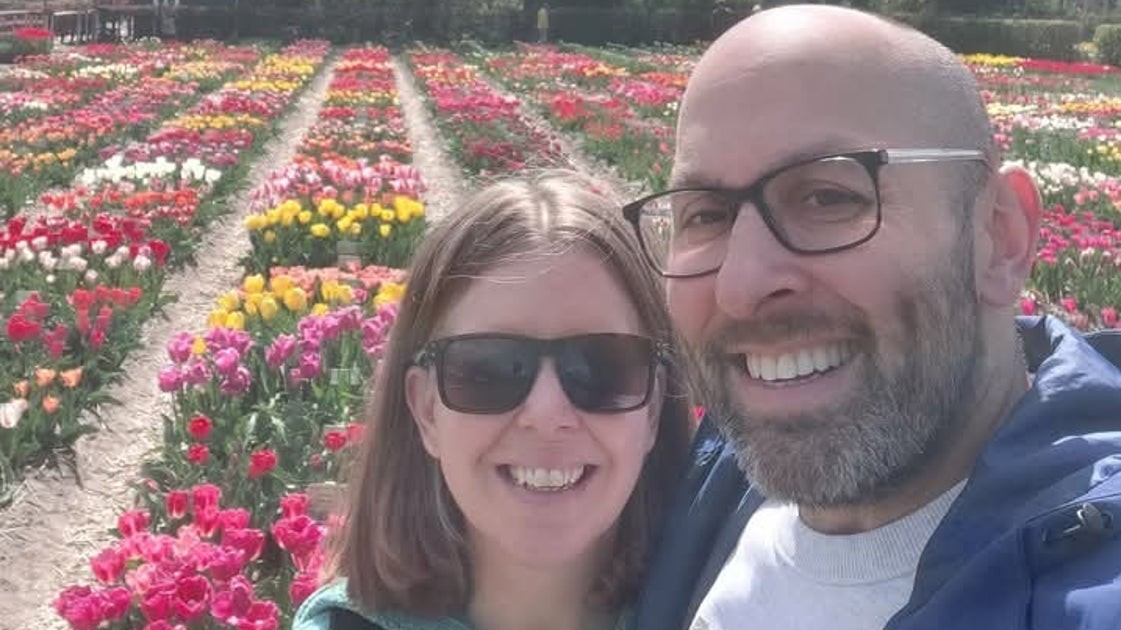
For many, the idea of “starting over” is a daunting prospect reserved for youth. But for one American couple, the decision to sell their home, liquidate their possessions, and relocate to Europe was driven by a search for something more fundamental: peace of mind.
After years of living in the United States, Manoj and his partner decided to move to the Netherlands in early 2025. Their journey highlights a growing trend of Americans seeking “lifestyle migration”—moving abroad not just for adventure, but to access different social safety nets, safer public spaces, and more efficient infrastructure.
The Catalyst for Change
The decision to move wasn’t sparked by a single event, but by a cumulative realization regarding quality of life. While the couple enjoyed their life in Milwaukee, they felt a growing disconnect with the American systems governing their daily existence.
Key drivers for their relocation included:
– Healthcare Accessibility: A desire for a system where care is treated as a right rather than a market-driven privilege.
– Public Safety: A need to escape the pervasive anxiety surrounding gun violence.
– Ease of Movement: A preference for walkable, bikeable cities over car-dependent lifestyles.
To facilitate the move, the couple utilized the Dutch American Friendship Treaty (DAFT), a specific visa program that allows Americans to reside in the Netherlands if they work as freelancers. This provided a legal pathway for the couple—a graphic designer and a freelance writer—to transition their professional lives seamlessly.
Comparing Systems: The Dutch Reality
One year into their residency, the couple has begun to see the tangible differences between the two nations. While they acknowledge that the Netherlands has its own challenges—such as a difficult language, a housing shortage, and rising political tensions—the structural benefits have been profound.
1. Healthcare: Predictability vs. Uncertainty
In the U.S., the couple faced high monthly premiums and significant deductibles, often feeling at the mercy of insurance providers. In the Netherlands, the system is more streamlined:
* Standardized Costs: Monthly premiums are roughly €160 per person.
* Lower Barriers: The annual deductible for adults is approximately €385.
* Quality of Care: Despite anecdotal warnings of “minimalist” Dutch medicine, the couple reports high-quality, accessible care from General Practitioners (GPs).
2. Safety and Mental Well-being
Perhaps the most significant change is psychological. The couple describes a “plummeting” of daily anxiety. In the U.S., routine activities like going to the cinema were shadowed by a subconscious need to monitor exits due to the threat of gun violence. In the Netherlands, that hyper-vigilance has been replaced by a sense of security in public spaces.
3. Infrastructure and Mobility
The transition from a car-centric American lifestyle to a bike-and-train-centric European one has altered their finances and their freedom:
* The End of Car Dependency: By utilizing well-maintained, protected bike lanes, they have eliminated the costs of car payments, fuel, and insurance.
* Travel Connectivity: The proximity to major train stations and the availability of inexpensive intra-European flights have turned travel from a rare luxury into a frequent part of their lifestyle.
Integration and Community
Moving in one’s 40s presents unique social hurdles, but the couple found support through local integration efforts. They highlight the “taalcafés” —free, community-led language gatherings held in libraries—as vital tools for both learning Dutch and building a social network of fellow expats.
The cultural landscape of their new city, characterized by high levels of international diversity, has helped ease the transition, offering a sense of multiculturalism that feels integrated rather than polarized.
“If you don’t take any risks or try anything new, you might look back one day and see only missed opportunities.”
Conclusion
The couple’s experience suggests that while moving abroad requires significant upheaval, the trade-off can be a fundamental shift in how one experiences daily life—moving from a state of constant precaution to one of relative stability and ease.