



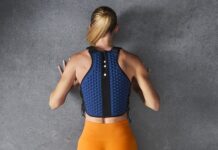


Weighted vests have surged in popularity, moving beyond niche training tools to become a common sight in gyms and on outdoor trails. While marketed as an easy way to boost strength, bone density, and even posture, the reality is more nuanced. This article breaks down the science behind weighted vests, separating fact from overblown claims.
Minimal Strength Gains, Especially for Experienced Lifters
Weighted vests can provide a small boost to muscular strength, particularly for beginners. The initial adaptation to added load can yield modest improvements in both strength and balance. However, for those already strength-trained, a vest alone won’t significantly drive muscle growth. The body adapts; a five-pound vest won’t challenge someone accustomed to heavier weights.
For intermediate to advanced exercisers, heavier vests can subtly increase the difficulty of bodyweight exercises like pushups or squats without compromising form. The key is to ensure the vest makes the final reps challenging but still achievable with proper technique. This is one method of progressive overload, but not necessarily the most efficient. Increasing volume, intensity, or range of motion in lifts may yield superior results.
Bone Density: Limited Evidence, Specific Conditions
The claim that weighted vests dramatically improve bone health is overstated. A recent study at Wake Forest University showed bone formation increases in older adults (average age 66.4) who wore vests for eight hours daily for a year. This is far removed from the typical use case of wearing a vest during a short workout. The benefits observed so far are specific to this population and timeframe; effects on younger individuals or intermittent wear remain unknown.
Calorie Burn: Marginal Improvement
Adding weight increases energy expenditure, but the difference is often marginal. While a weighted vest will burn slightly more calories during a flat walk, more effective strategies include hiking uphill or following a structured strength training program. Weight loss or muscle definition is best achieved through dietary adjustments rather than relying heavily on vest-assisted calorie burn.
Posture: Weight Distribution Matters
Some claim weighted vests improve posture by opening the chest and aligning the shoulders. This isn’t guaranteed. Improper weight distribution can worsen posture by pulling the shoulders forward and rounding the back.
Key takeaway: Choose a vest with even weight distribution and actively engage core and back muscles to maintain proper form. Excess load can also increase fall risk if core stability is lacking.
Conclusion: Weighted vests offer modest benefits for beginners and can add a slight challenge to bodyweight exercises. The hype surrounding significant strength gains or dramatic bone density improvements is largely unsupported by current research. When used correctly, they can be a tool, but they are not a shortcut to fitness.