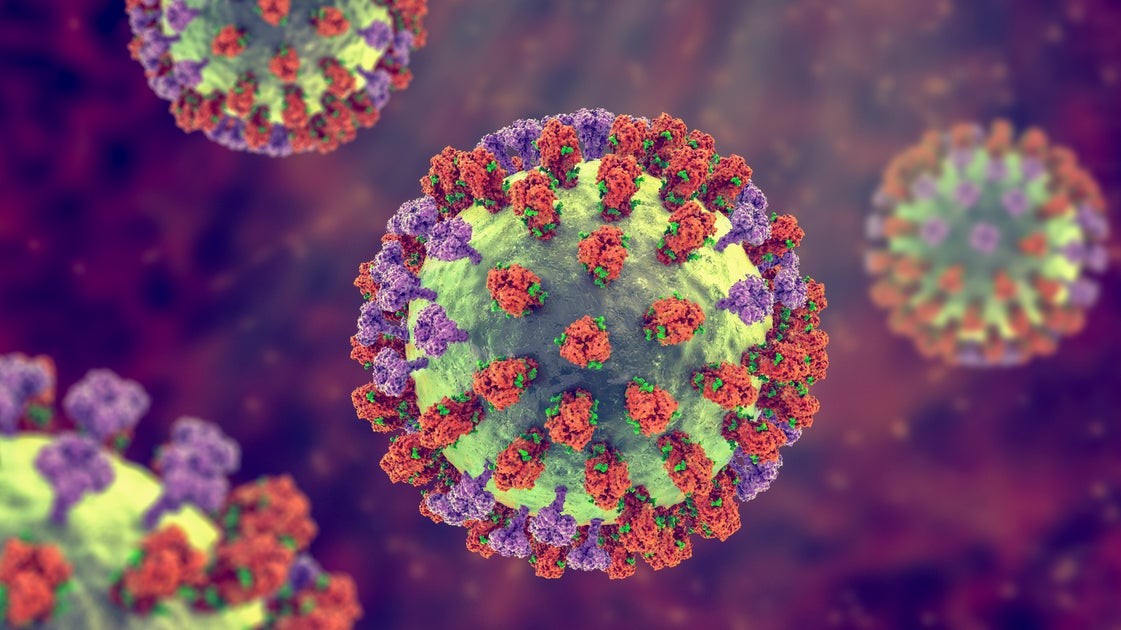
The United States is experiencing a nationwide surge in influenza cases, with several regions reporting significant spikes in infections. This year’s flu season is shaping up to be particularly severe due to a mutated strain – H3N2 – which is proving more transmissible and less recognizable to existing immunity. The situation mirrors last year’s difficult season, with early indicators suggesting it could be even worse.
Regional Hotspots and Transmission Rates
Currently, states like Colorado, New York, New Jersey, and Louisiana are leading the increase in reported cases. New York City is experiencing “very high” flu levels, the highest category tracked by the Centers for Disease Control (CDC). High population density in urban areas like New York and New Jersey accelerates transmission, with emergency departments seeing a 30% test positivity rate for flu – significantly higher than rates for COVID-19 and RSV. Other areas, including Connecticut, Idaho, South Carolina, and Texas, are reporting moderate levels.
Why This Year Is Different
The primary driver behind the increased severity is the H3N2 strain. This mutation has altered the virus enough that the human immune system struggles to recognize and combat it effectively. The shift makes this season more dangerous because prior exposure or vaccination may offer less protection. According to health experts, this strain accounts for 85–86% of current cases. The increased transmissibility is similar to patterns observed in Japan and the United Kingdom, where the mutated strain has already caused significant outbreaks.
Symptoms, Testing, and Treatment
The flu presents quickly with symptoms like fever, chills, coughs, and body aches. Children may also experience gastrointestinal issues such as diarrhea or vomiting. Distinguishing the flu from COVID-19 or RSV can be challenging, making testing essential. At-home tests are available, or medical professionals can conduct laboratory confirmation.
Antiviral treatments are available, especially for high-risk populations (the elderly, young children, pregnant individuals, and those with chronic conditions), but they work best when administered early in the illness.
Prevention Measures and Vaccine Effectiveness
Experts recommend preventative measures, including masking in crowded indoor spaces, improving ventilation, frequent handwashing, and disinfecting surfaces. The flu vaccine remains a valuable tool, though its effectiveness varies. Current data suggest it prevents hospitalization in roughly 30–50% of adults and 70–75% of children.
The Outlook
The flu season is expected to remain elevated for at least six weeks, peaking after the Christmas and New Year’s holidays. Cases will likely slow down by late January but will linger into spring. Last year was one of the worst flu seasons on record for pediatric deaths, and there are concerns that this year could be as bad or worse, particularly given vaccine hesitancy in some populations. The mutated strain, combined with lower prior immunity, presents a serious public health challenge this winter.