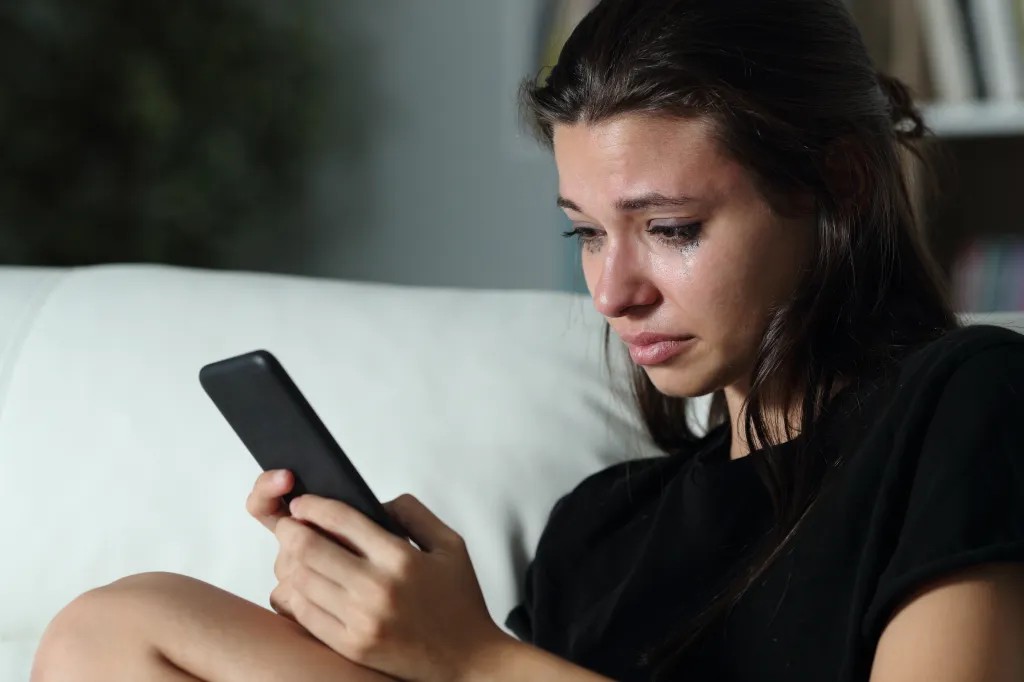
For today’s adolescents, the most significant peer pressure isn’t about underage drinking or smoking—it’s about staying connected online. A new study from Aura, a digital safety firm, reveals that 44% of teens feel pressured to use social media, surpassing the rates for pressure to engage in risky behaviors like smoking (31%), skipping school (28%), or drinking alcohol (24%). This shift indicates that being offline now carries a greater social risk than traditional adolescent vices.
The Changing Landscape of Peer Influence
Traditionally, peer pressure centered on physical activities or rebellious acts. Now, it manifests in digital spaces—group chats, Instagram feeds, and TikTok comments—where exclusion feels more immediate and pervasive. Over half of teens report feeling left out when not included in their peers’ online activities. This pressure isn’t merely about wanting to use a specific app; it’s about maintaining social inclusion in an increasingly digital world.
Always-On Social Dynamics
Social media’s constant connectivity exacerbates the issue. Unlike past generations where social interactions ended after school, today’s teens experience continuous peer dynamics. The study found that increased online time correlates with sleep disruption, stress, and feeling overwhelmed. This “fear of missing out” (FOMO) keeps teens logged on, blurring the lines between school, home, and social life.
Implications for Parents
While social media offers benefits for friendship and community building, parents need to acknowledge the unique pressures it creates. Outright bans can backfire, intensifying feelings of exclusion. Instead, open communication is essential : discussing how teens feel online, helping them identify pressure tactics, and setting healthy boundaries. This approach recognizes that social media isn’t just about entertainment—it’s deeply intertwined with identity and belonging.
The most effective strategy isn’t prohibition; it’s helping teens navigate digital spaces while maintaining their well-being.
Ultimately, the rise of social media as the dominant source of peer pressure highlights a fundamental shift in adolescent socialization. The challenge for both teens and parents is to adapt to this new reality while prioritizing mental health and healthy online habits.