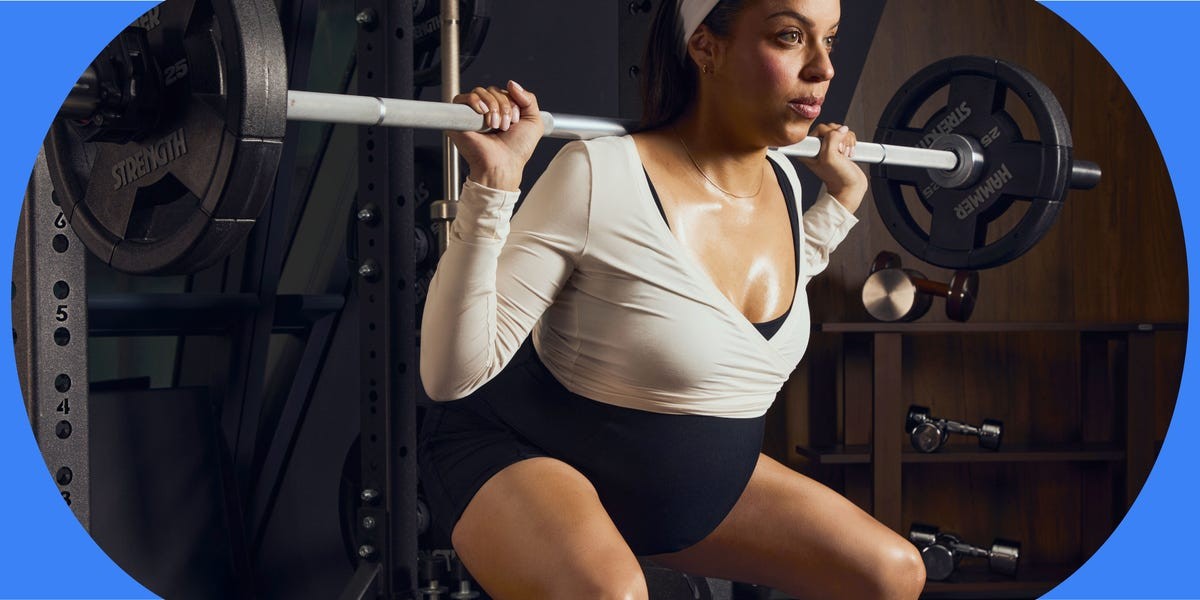
For decades, the standard medical advice for pregnant individuals was often centered on caution: avoid heavy lifting, limit exertion, and stay sedentary to protect both the parent and the developing baby. However, modern science is rapidly overturning these “old-timey” notions.
Current research indicates that physical activity—specifically strength training—is not just safe, but highly beneficial. Far from being a risk, regular exercise is linked to a 40% reduction in pregnancy complications such as gestational diabetes, preeclampsia, and gestational hypertension. Furthermore, staying active can lead to a 67% reduction in the odds of experiencing depression during pregnancy.
Why the Confusion Persists
The gap between old advice and new science exists because of how research is conducted. In most populations, exercise is assumed safe unless proven otherwise. In pregnancy, the medical community has traditionally taken a “prove it’s safe first” approach, leading to overly conservative guidelines based on theory rather than evidence. As more studies are completed, we are moving away from rigid rules toward personalized, individualized recommendations.
🔍 Myth-Busting: What the Evidence Actually Says
❌ Myth: You must keep your heart rate below a specific number.
✅ Truth: There is no universal “cap.” Focus on how you feel.
In the 1980s, guidelines suggested keeping the heart rate below 140 bpm, but this was removed in 1994 due to a lack of scientific backing. While your resting heart rate naturally increases during pregnancy to support fetal circulation, you don’t need to monitor a number on a screen.
* The Goal: Aim for an intensity that feels manageable.
* The Exception: High-Intensity Interval Training (HIIT) has been shown to be safe and can actually help improve insulin sensitivity and blood sugar control.
* The Rule of Thumb: If you feel dizzy or experience pain, stop and consult a professional.
❌ Myth: Lifting heavy weights is dangerous for the baby.
✅ Truth: Recreational lifting is safe; occupational lifting is different.
Much of the “danger” associated with heavy lifting comes from studies on occupational settings (e.g., warehouse workers lifting heavy boxes for eight hours straight without rest). These repetitive, high-volume tasks do carry risks like preterm delivery.
However, recreational strength training —where you use proper form, controlled movements, and adequate recovery—is different. Recent studies involving squats, deadlifts, and bench presses have shown no adverse effects on fetal heart rate or umbilical blood flow.
❌ Myth: You need a formal “medical clearance” to exercise.
✅ Truth: Unless your doctor tells you otherwise, assume you are cleared.
Most obstetricians do not issue “permission slips” for exercise because the default assumption is that movement is healthy. Unless you have a specific complication (like a severe heart condition or placenta abnormalities), doctors generally encourage activity. If you are an endurance athlete or a regular lifter, simply keep your provider informed of your baseline so they can help you navigate any changes in your body.
❌ Myth: You should never lie on your back while exercising.
✅ Truth: Brief intervals are fine; avoid prolonged supine positions.
The concern regarding lying on your back (the supine position) stems from sleep research, which suggests that staying on your back for hours during sleep can compress major blood vessels. This is not the same as performing a 60-second set of glute bridges.
* What to watch for: While short bursts are safe, the position may cause temporary changes in fetal heart rate or make you feel lightheaded.
* The Adjustment: If you feel faint or uncomfortable, simply change your position.
❌ Myth: Crunches are strictly off-limits.
✅ Truth: Core work is safe, provided you modify as needed.
Maintaining core strength is vital throughout pregnancy. While the way your abdominal muscles behave will change as your uterus grows, traditional movements like crunches can be part of a healthy routine, provided they are modified to suit your changing anatomy and comfort levels.
Summary of Benefits
| Benefit Category | Impact of Regular Exercise |
|---|---|
| Medical Risks | 40% lower risk of gestational diabetes & preeclampsia |
| Mental Health | 67% lower risk of depression |
| Fetal Health | Potential improvements in metabolic health and cognitive function |
The Bottom Line: Pregnancy is not a reason to stop training; it is a reason to train smarter. By listening to your body and focusing on form rather than rigid, outdated rules, you can leverage strength training to support a healthier pregnancy and a smoother postpartum recovery.