
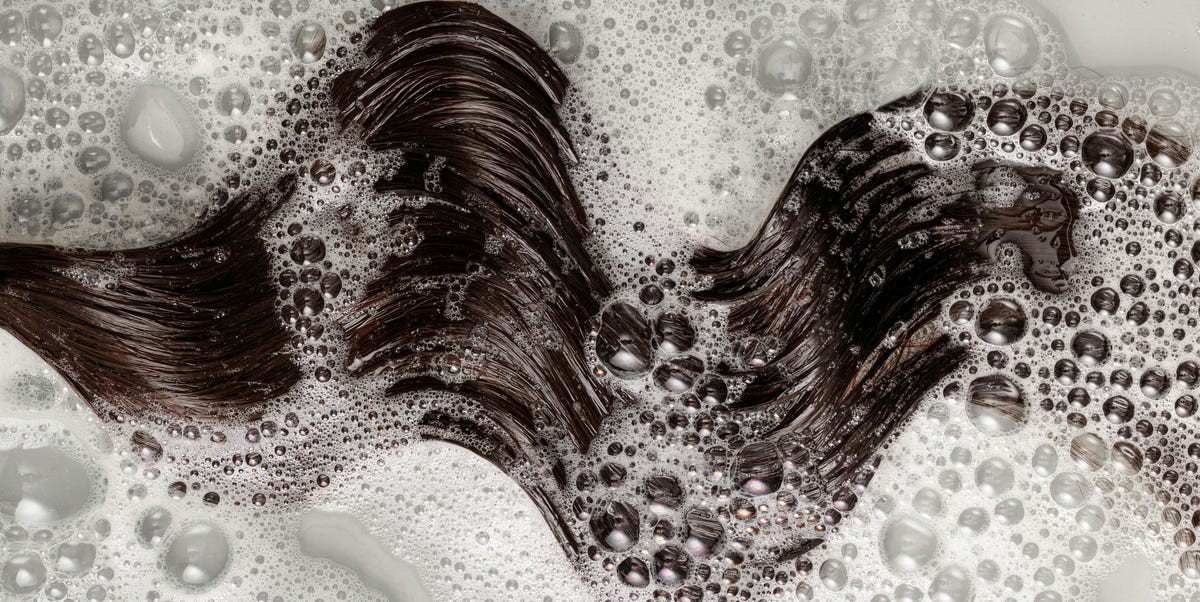
The haircare market is flooded with products promising everything from stronger strands to easier detangling. One increasingly popular category is pre-shampoo treatments – oils, serums, creams, and gels applied before washing. While once a niche practice, particularly in textured hair communities, pre-shampooing has gone mainstream. But is it necessary? Experts say not for everyone, but for those who benefit, the difference can be substantial.
What Are Pre-Shampoo Treatments?
Pre-shampoo treatments, also called pre-washes or pre-poos, are designed to protect, nourish, and hydrate hair before cleansing. The concept isn’t new; for years, natural hair enthusiasts have used this step to prepare strands for washing. Application varies by product: some are applied to dry hair for 3-30 minutes, while others are formulated for both hair and scalp. Crucially, always read the label. Some contain oils that can clog pores or disrupt the scalp microbiome if applied directly to the skin. Proper rinsing is essential, regardless of formulation.
Why Use a Pre-Shampoo?
The benefits of pre-shampooing depend heavily on the product’s ingredients, but common perks include:
- Easier Detangling: Many treatments contain oils and cationic polymers that create “slip,” making knots easier to comb through, particularly for curly, coily, dry, or chemically treated hair. Look for ingredients like polyquaternium-10 and guar hydroxypropyltrimonium chloride.
- Reduced Stripping: Sulfates in shampoos can lift the hair cuticle, increasing porosity and stripping natural oils. Pre-shampoo treatments can form a protective barrier, limiting water absorption and friction during washing.
- Improved Scalp Health: Some formulations clarify, exfoliate, or soothe the scalp, addressing buildup from sweat, oils, dead skin, and product residue. However, experts note that double shampooing can achieve similar results.
Is Pre-Shampooing Right for You?
Haircare is individual. Those with thick, coarse, dry, or textured hair are most likely to benefit from conditioning pre-washes. Fine, thin, or oily hair types may find them too heavy. If your hair doesn’t tangle easily, or you already double-wash, a pre-shampoo step might be unnecessary.
Alternatives and DIY Options
You don’t need expensive products to get similar benefits. Reverse washing (applying conditioner to ends before shampooing) can offer extra slip and protection. Even kitchen staples like cold-pressed coconut oil (rich in lauric acid) can penetrate the hair shaft, reduce friction, and prevent breakage. Other effective oils include babassu oil.
Ultimately, pre-shampoo treatments can enhance your routine, turning wash day into a more relaxing experience. But whether they’re essential comes down to your hair type, needs, and preferences.