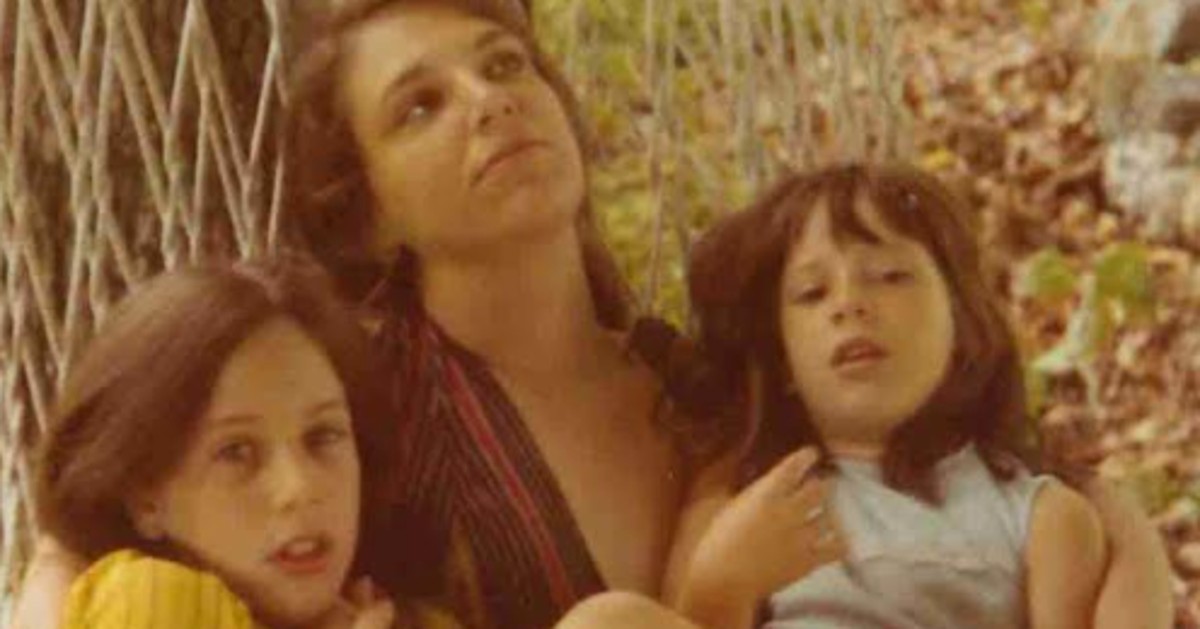
The path from childhood trauma to emotional recovery is rarely a straight line. For many survivors, the process involves a complex tug-of-war between the desire for justice and the longing for maternal love. This is the reality explored in a powerful personal account of a daughter navigating the aftermath of years of physical and emotional abuse.
The Weight of an Unspoken Past
For years, a mother and daughter maintained a relationship built on a fragile foundation: intentional silence. After a period of severe drug addiction and domestic violence during the daughter’s early childhood, the mother eventually achieved sobriety. However, the trauma remained unaddressed, buried under a veneer of “pleasant times” and forced normalcy.
The turning point arrived in a therapist’s office in San Francisco. In a formal attempt at atonement, the mother presented a list titled “The 40 most unforgivable things I’ve ever done to my daughters.”
The details were harrowing, including:
– Physical violence: Strangling, hitting, and hair-pulling.
– Emotional neglect: Telling her children she wished they were dead or had never been born.
– Environmental instability: Bringing drug dealers into the home and exposing children to aggressive “primal scream” groups.
While the daughter offered immediate forgiveness in the session, it was a survival mechanism—a way to maintain peace rather than a sign of true healing.
The Connection Between Trauma and Physical Health
A critical insight in this journey is the link between suppressed emotional trauma and physical illness. For years, the daughter operated under the assumption that her past was “so long ago” that it could no longer affect her.
This changed when she was diagnosed with severe, chronic ulcerative colitis, an autoimmune disease. It was only through holistic guidance and subsequent therapy that she realized the connection: unprocessed trauma often manifests in the body. This realization served as the catalyst for her own long-overdue mental health journey, moving her from denial to active processing.
A Shared Spiritual Path to Reconciliation
The relationship was uniquely shaped by a shared spiritual practice. In an attempt to stave off suicide during her middle school years, the mother turned to Buddhist chanting (Nam Myoho Renge Kyo ). This shared practice became a bridge:
– It helped the mother stabilize her behavior and maintain sobriety.
– It allowed the daughter to sense a burgeoning maternal love through the discipline of their shared ritual.
While this did not erase the past, it provided a framework for the mother to begin the work of transformation, eventually leading to the formal apology that would pivot their relationship.
Discovering the Truth in the Aftermath
Following her mother’s death from diabetes at age 69, the daughter discovered diaries that provided a final, profound layer of context. These journals revealed:
1. A lifetime of self-hatred: The mother’s actions were driven by deep psychological pain and regret.
2. The depth of her repentance: The “atonement list” was even more extensive than what was read in therapy, showing a relentless drive to make amends.
“Mom halted generational trauma in its tracks by changing her behavior, which led to my ability to break the cycle.”
Conclusion
Through the difficult process of therapy and spiritual practice, the daughter was able to move past mere survival toward genuine healing. By acknowledging the darkness of the past, she was able to transform a legacy of abuse into a story of courage and generational change.