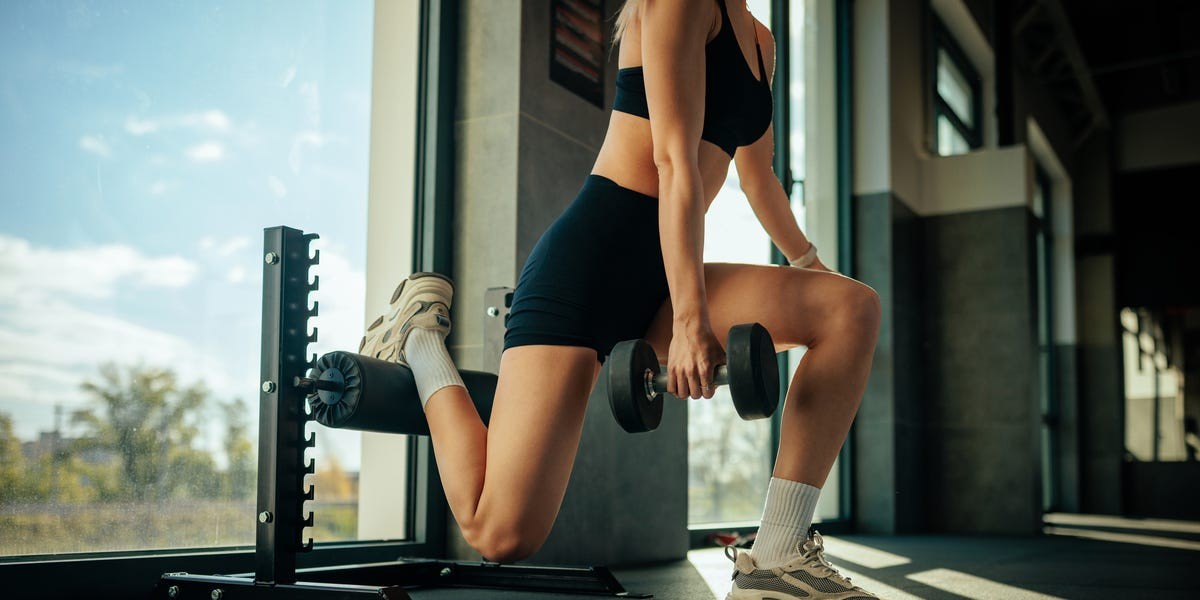
Strong glutes aren’t just about aesthetics; they’re fundamental to overall physical health and performance. According to trainers, these muscles – the gluteus maximus, medius, and minimus – are crucial for stability, athletic ability, and even injury prevention. The glutes are the largest muscle in the body, and their strength directly impacts everything from walking and sitting to sprinting and balancing.
Why Strong Glutes Matter Beyond Aesthetics
The benefits extend far beyond a sculpted physique. Glutes are key stabilizers, controlling pelvic function and hip movement. Stronger glutes translate to improved athletic performance: faster sprints, quicker turns, and better balance in activities like yoga. They also protect the back, hips, and core, enhancing stability and reducing injury risk. Essentially, a strong posterior chain is a foundation for a healthier, more functional body.
How to Maximize Glute Activation at Home
Effective glute workouts require focused execution. Move slowly and with control, prioritizing muscle engagement over speed. Engage your core and exhale during the most challenging part of each exercise to ensure maximum glute activation. While bodyweight exercises are effective, incorporating resistance bands or dumbbells can significantly increase the challenge and accelerate results.
Recovery is Key: How Often to Train
Glutes can be trained up to three times per week, provided adequate recovery time is prioritized. Soreness is normal, especially for beginners, but rest is crucial for muscle growth. Stretching, foam rolling, hydration, sleep, and proper nutrition are essential to support muscle recovery and maximize gains.
The 15 Trainer-Recommended Exercises (Not Listed Here)
To unlock the full benefits, consult the original article for a detailed list of 15 exercises recommended by leading trainers. These include moves designed to target all glute muscles, from the gluteus maximus to smaller stabilizing muscles like the piriformis.
Investing in glute strength is an investment in overall physical well-being. Whether you’re an athlete, a fitness enthusiast, or simply seeking improved function in daily life, prioritizing glute training will yield significant results.