Back squats are a foundational strength training movement, considered one of the “big three” lifts alongside deadlifts and chest presses. Unlike isolated exercises, squats engage multiple muscle groups, making them highly efficient for building overall lower-body power and strength. This guide breaks down how to perform back squats correctly, common mistakes to avoid, and why they’re a valuable addition to any fitness routine.
Why Back Squats Matter
The barbell back squat is more than just another leg exercise; it’s a full-body movement that reinforces proper posture while allowing you to lift heavier loads than other variations. This is because the squat rack supports the weight on your upper back, enabling greater lifting capacity compared to dumbbells or kettlebells.
Key benefits include:
- Enhanced Lower-Body Strength: Back squats effectively target quads, hamstrings, glutes, inner thighs, and calves.
- Improved Stability and Coordination: The exercise forces your body to recruit stabilizing muscles, improving balance and core engagement.
- Increased Mobility: Squats can improve range of motion in hips, knees, ankles, and shoulders.
- Mental Resilience: Pushing through challenging sets builds mental toughness and confidence.
- Bone Density Boost: Weightlifting, including back squats, helps increase bone density, especially important for women.
- Functional Movement: The squat mimics natural movements like sitting and standing, promoting everyday strength and longevity.
How to Perform a Back Squat
Follow these steps for proper form:
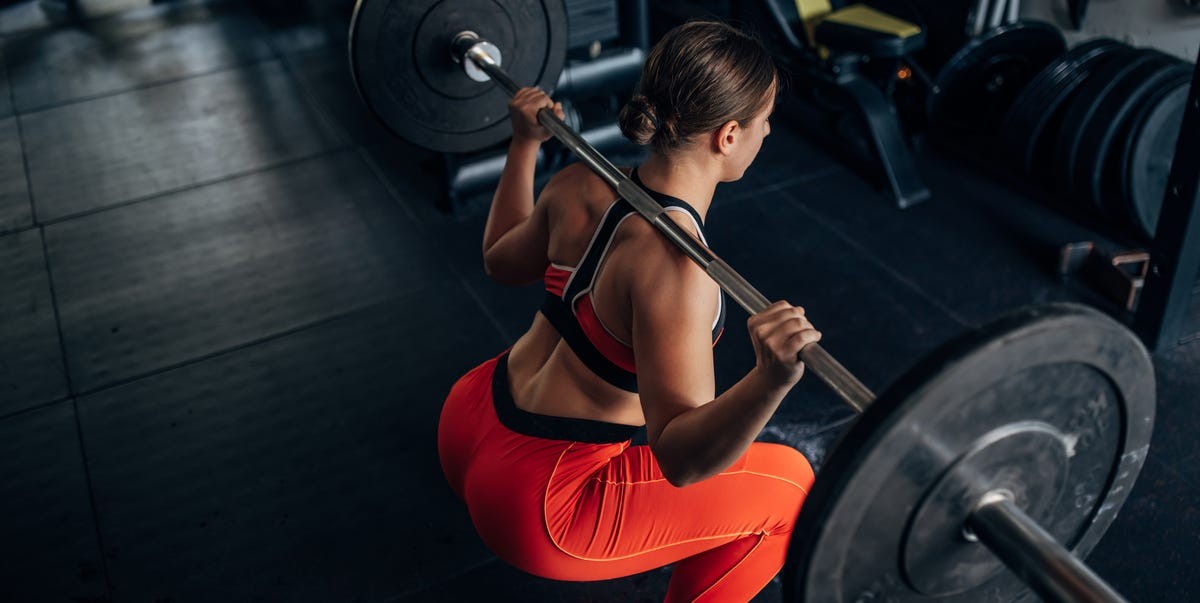
- Setup: Adjust the squat rack to shoulder height. Stand with feet shoulder-width apart, toes slightly outward. Position the barbell across your upper back (traps and shoulders, not your neck).
- Grip: Grab the barbell with hands slightly wider than shoulder-width. Use the “pinky rings” on the bar for reference.
- Unrack: Engage your core, inhale, and lift the bar off the rack, stepping backward. Maintain a neutral spine.
- Descent: Firmly plant feet, bend knees, and push hips back while squeezing glutes. Descend for three seconds until glutes are slightly below parallel.
- Ascent: Keep torso upright, exhale, and drive through heels to return to the starting position.
Pro Tip: If you’re new to barbell squats, practice with a PVC pipe or golf club to refine form before adding weight.
Reps, Sets, and Progression
- Strength (1-6 reps): 3-5 sets, rest 2-5 minutes between sets. Focus on maximum weight.
- Muscle Growth (8-12 reps): 3-5 sets, rest 60-90 seconds between sets. Moderate to heavy weights with controlled movements.
- Beginner (6-10 reps): 3-4 sets, rest 60-90 seconds between sets. Prioritize form over weight.
Progressive Overload: To continue seeing results, gradually increase weight (5-10 pounds at a time), reps, sets, or tempo (slowing the descent phase).
Common Mistakes and Corrections
- Shallow Squats: Ensure you squat to at least parallel (hip crease below knee). Use a box as a depth guide if needed.
- Knee Cave-In: Actively push knees outward during the movement. Use a resistance band around the knees to reinforce proper alignment.
- Excessive Forward Lean: Keep chest up and ensure the barbell is correctly positioned on your upper back.
- Heels Lifting: Distribute weight evenly across feet, pressing through heels. Use small plates under heels if necessary.
- Pain: If you experience discomfort, strengthen your core, maintain a neutral spine, and start with lighter weights.
Variations to Consider
- Goblet Squats: Hold a kettlebell or dumbbell in front of your chest. Great for beginners.
- Bulgarian Split Squats: Elevate one foot on a bench. Improves balance and unilateral strength.
- Step-Ups: Step onto a box while holding weight. Builds explosive power.
- Glute Bridges: Lie on your back, lift hips off the ground. Strengthens glutes and hamstrings.
Conclusion
Back squats are a highly effective exercise for building lower-body strength, improving stability, and enhancing overall fitness. By prioritizing proper form, progressive overload, and listening to your body, you can unlock the full potential of this powerful movement. If you have any injuries, consult with your doctor before beginning.