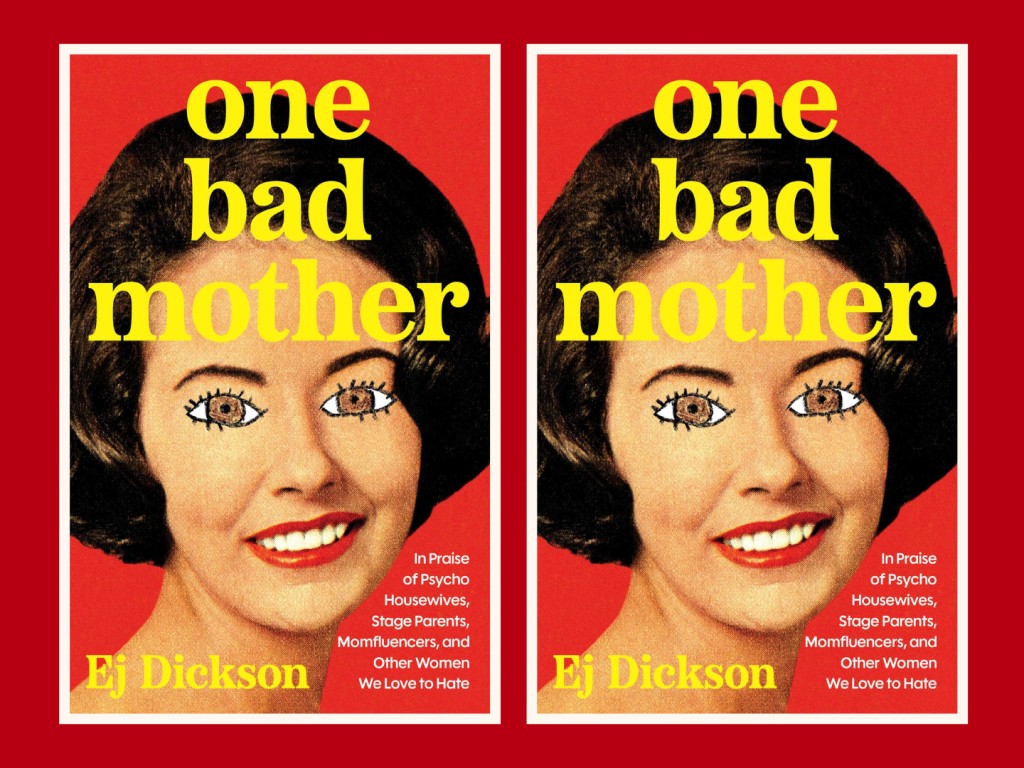
EJ Dickson’s new book, One Bad Mother: In Praise of Psycho Housewives, Stage Parents, Momfluencers, and Other Women We Love, isn’t just another parenting critique; it’s a deliberate provocation. Dickson doesn’t aim for gentle discussion – she wants to ignite anger, specifically within women who’ve felt the weight of impossible maternal expectations.
The Universal Judgment of Motherhood
Dickson argues that nearly every woman has experienced being labeled a “bad mother” at some point. This isn’t about failing to meet some objective standard; it’s about the relentless, often hypocritical, cultural judgment imposed on women. The book dissects how society weaponizes guilt and shame to control female behavior, framing motherhood as a moral performance instead of a messy, imperfect reality.
The Rise of the Momfluencer: Exposing the Scam
The emergence of momfluencers is a key target in Dickson’s analysis. These influencers monetize maternal labor, presenting a polished, unattainable version of motherhood that exposes the hypocrisy of expecting unpaid, flawless devotion from all mothers. Their success isn’t just irritating; it’s revealing. The outrage directed at them highlights how deeply ingrained the expectation of selfless sacrifice is, and how furious people get when that expectation is blatantly violated for profit.
Historical Roots of Maternal Judgment
The book traces this judgment back through history, from the “welfare queen” stereotypes of the 1980s (often weaponized against Black families) to the sensationalized cases like Casey Anthony. Dickson doesn’t shy away from the uncomfortable fact that in the U.S., Black mothers are disproportionately labeled as “bad” by systemic forces. However, she notes that white mothers who defy idealized norms (like the 1950s housewife) also fascinate society.
The True Crime Obsession: Why We Watch Mothers Harm Their Children
Dickson tackles the disturbing popularity of true crime, particularly cases involving maternal violence. Why are so many women captivated by stories of mothers who harm their children? She suggests it might be because these stories force us to confront our own darker impulses, or because we subconsciously identify with the perpetrator. True crime offers a safe space to explore taboo thoughts, even if it means confronting unsettling truths about maternal instinct.
The U.S. Stands Out: Filicide and Lack of Support
The book points to a chilling statistic: the United States may have the highest rate of filicide (a parent killing their child) in the developed world. While filicide remains rare, Dickson argues that the lack of support for mothers in the U.S. – including childcare access, reproductive rights, and immigration policies that separate families – creates a breeding ground for desperation. The situation has likely worsened since the 2016 study cited, yet data remains scarce.
“The lack of infrastructural support for mothers is a driving force behind a lot of the questions that I ask in the book.” – EJ Dickson
One Bad Mother isn’t a comforting read. It’s a sharp, unapologetic exploration of how society simultaneously idealizes and demonizes motherhood, leaving women trapped in a cycle of impossible expectations. The book’s purpose isn’t to offer solutions, but to expose the raw, unsettling truth: the judgment of mothers is systemic, hypocritical, and designed to keep women in line.