
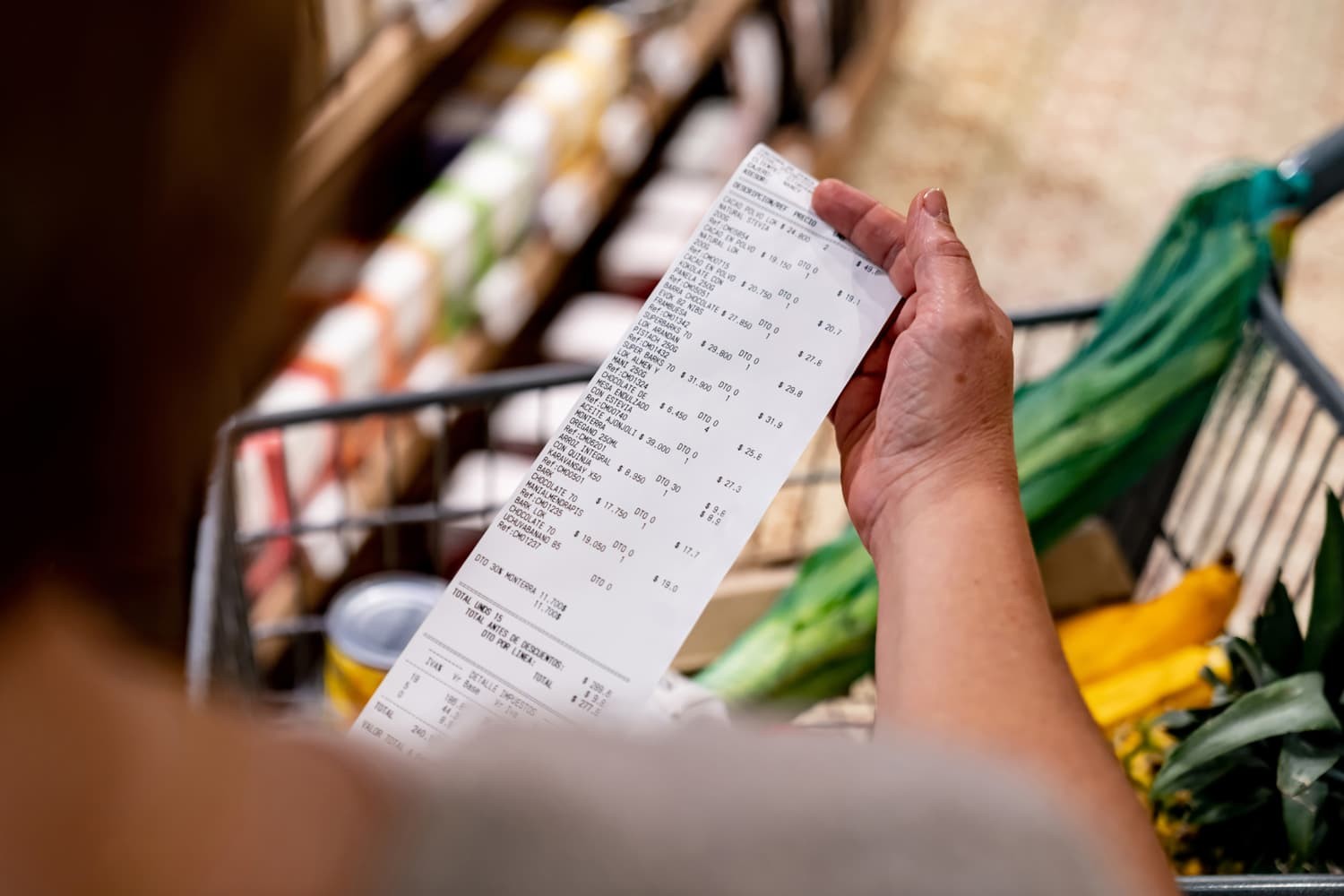
For decades, the meticulous grocery list has been a cornerstone of household planning. But in 2026, a growing number of shoppers are abandoning this tradition, driven by changing economic realities, supply chain issues, and the convenience of modern technology. This shift isn’t just about laziness; it reflects a fundamental change in how people approach food shopping.
The Rising Inefficiency of Traditional Lists
The old-school method of crafting detailed grocery lists is losing its appeal. Rising grocery costs force many shoppers to adjust plans on the fly, making rigid lists obsolete. A shopper at Trader Joe’s, Clara, explained she no longer bothers with structured lists due to the time investment and frequent out-of-stock items. Instead, she relies on broad reminders in her phone for essentials like produce, meat, and grains.
This frustration is widespread. The unpredictability of store inventory, compounded by inflation, makes pre-planning feel futile. Many shoppers now prioritize flexibility over strict adherence to a list.
The Rise of Spontaneous and Digital Shopping
Alongside the death of the list, two trends are emerging: “European-style shopping” and reliance on digital tools. The first involves smaller, more frequent trips to the store, buying only what’s needed for the next day or two. This approach minimizes waste and adapts to fluctuating prices.
The second is the increasing dominance of grocery delivery apps like Instacart and Amazon Fresh. These platforms not only remember past purchases but also integrate seamlessly with shopping habits. Matt, a tech worker, admits he’s never manually made a grocery list in his life, relying entirely on app-based ordering.
Why This Matters: Beyond Convenience
The decline of the grocery list isn’t just about convenience; it’s a symptom of broader economic and logistical changes.
- Inflation: Makes detailed planning unreliable, as prices change rapidly.
- Supply Chain Disruptions: Frequent out-of-stock items render lists inaccurate.
- Technological Integration: Apps eliminate the need for manual list-making.
These factors combined create a new reality where grocery shopping is more fluid, less planned, and heavily influenced by digital tools.
The grocery list’s decline reflects a shift from rigid control to adaptive consumption. Consumers are prioritizing flexibility and efficiency over outdated methods.
The traditional grocery list, once a symbol of household order, is fading into irrelevance. As shoppers adapt to rising prices, unpredictable availability, and the power of technology, the future of grocery shopping is likely to be less about lists and more about instinct, real-time adjustments, and the convenience of digital platforms.