Freezing broccoli is an excellent way to preserve this versatile vegetable without sacrificing flavor or texture. Whether you’ve bought in bulk, harvested from your garden, or simply have leftovers, proper freezing ensures you always have vibrant, ready-to-use broccoli on hand. The process is straightforward, but a key step – blanching – significantly impacts long-term quality.
Why Blanching Matters
Before diving into the steps, understanding blanching is crucial. This brief boiling and immediate ice-water shock deactivates enzymes that cause deterioration during freezing. Without it, broccoli can become mushy, discolored, and lose its nutritional value over time. Blanching brightens the color, tenderizes the florets, and locks in freshness for up to three months.
Step-by-Step Freezing Guide
- Prep the Broccoli: Start with fresh broccoli heads or crowns, avoiding any with brown spots or yellowing leaves. Cut the florets away from the stalk using a chef’s knife, ensuring roughly even sizes. Don’t discard the stalk; peel off the tough outer layer and chop it into bite-sized pieces – it’s perfectly edible and flavorful.
- Blanch: Bring a large pot of water to a rolling boil. Add the prepared broccoli and boil for two to three minutes, until bright green and slightly tender. Immediately transfer to an ice bath to stop cooking. Once cooled, drain thoroughly and pat dry.
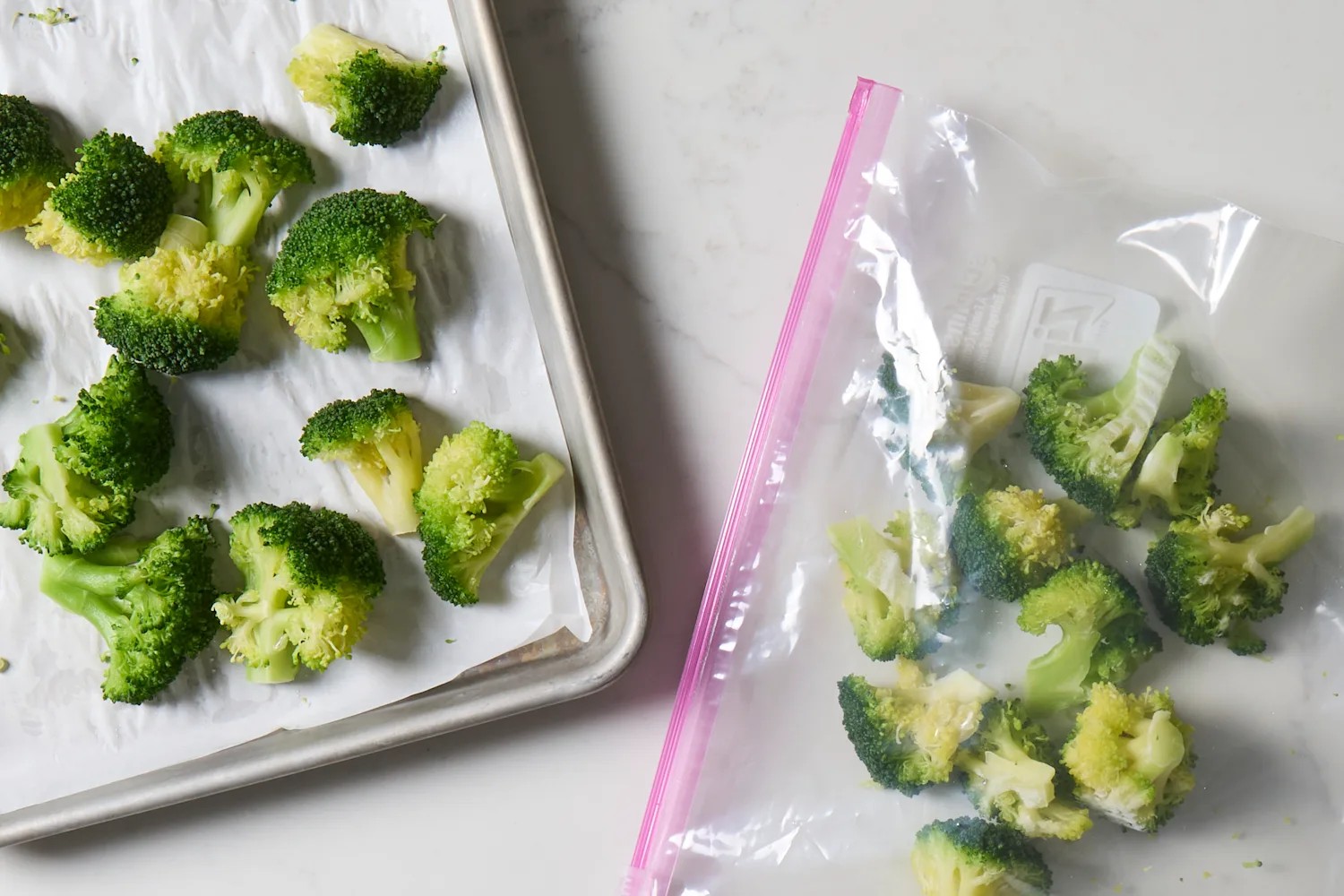
- Freeze in Layers: Spread the broccoli pieces in a single layer on a parchment-lined baking sheet. This prevents clumping and ensures each piece freezes individually. Freeze for at least two hours, or until solid.
- Store Long-Term: Transfer the frozen broccoli to a freezer bag, removing as much air as possible. Label with the date for optimal tracking.
Tips for Best Results
- Use the Whole Vegetable: Broccoli stalks are just as nutritious and tasty as the florets. Don’t waste them.
- Skip Seasoning: Avoid salting the blanching water, as it can soften cell walls and lead to mushy broccoli. Season when cooking the final dish instead.
- Thawing is Optional: Frozen broccoli can be added directly to soups, stews, or stir-fries without thawing. If a quick thaw is needed, use a refrigerator or microwave defrost setting.
By following these steps, you’ll enjoy vibrant, flavorful broccoli whenever you need it, minimizing waste and maximizing freshness.
Proper freezing techniques ensure broccoli retains its quality and nutritional value for months. Blanching is not just a suggestion but a necessity for optimal results.