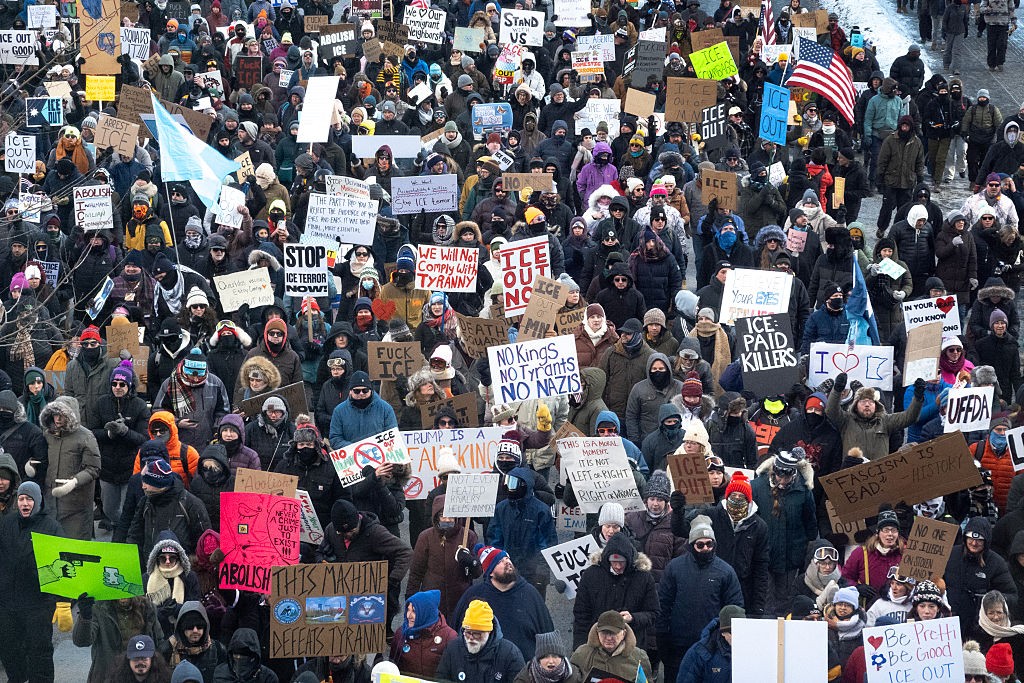
The ongoing unrest in Minneapolis, marked by aggressive federal responses and escalating tensions, is understandably causing fear and anxiety among both adults and adolescents. The relentless news cycle – images of detentions, excessive force, and even deaths – can be deeply destabilizing, especially for young people who may feel powerless in the face of such events.
Understanding the Psychological Impact
Psychologists identify a unique form of trauma at play here: betrayal trauma. This occurs when a trusted authority – in this case, the government – inflicts harm rather than providing protection. This violation of trust is particularly jarring and can lead to feelings of deep insecurity and distrust in institutions.
How to Talk to Your Teen: A Step-by-Step Approach
Experts emphasize that the key to navigating these conversations is calmness and validation. Here’s how to approach the discussion:
-
First, Listen: Begin by asking your child what they’ve seen or heard. The source of information matters: whether it’s a viral video on Instagram or a news headline. Understanding their exposure helps you tailor the conversation and address potential misinformation.
-
Validate Their Emotions: Acknowledge their fear and anxiety without dismissing it. Phrases like, “Yes, this is scary,” can normalize their response and create a safe space for discussion.
-
Create a Safe Space: Remind them that within your home, they are safe, and that you will work together to maintain that security.
-
Identify Specific Concerns: Determine what specifically is causing them distress – fear of detention, worry for family, or existential anxiety. Addressing these specific fears directly is more effective than vague reassurances.
-
Share Your Own Feelings (Moderately): Modeling healthy emotional processing can be beneficial. Share your own anxieties, but avoid overwhelming them with your concerns.
The Role of Social Media and Disengagement
Social media often exacerbates anxiety by providing a constant stream of disturbing content. Encourage your teen to reflect on how these platforms impact their mental state. Instead of banning access, discuss how they feel after prolonged exposure to negative news and explore healthier alternatives.
For those experiencing intense symptoms like nightmares or panic attacks, seeking professional support from a therapist may be necessary.
Transparency and Risk Assessment
Families facing heightened risks (e.g., deportation) must have honest conversations about changes in behavior and potential consequences. Transparency is crucial, but avoid unnecessary scare tactics. Instead, prepare them for potential scenarios without inducing panic.
Empowering Action and Hope
While it’s okay not to have all the answers, encourage positive action. Whether it’s participating in advocacy, supporting friends, or simply taking small steps aligned with their values, empowering your teen can foster resilience.
Conclusion
Navigating these conversations requires patience, honesty, and a commitment to creating a safe emotional space. By validating your teen’s fears, encouraging healthy coping mechanisms, and modeling calm resilience, you can help them process these unsettling events without succumbing to paralyzing anxiety. The goal isn’t to eliminate fear entirely, but to equip them with the tools to navigate it constructively.