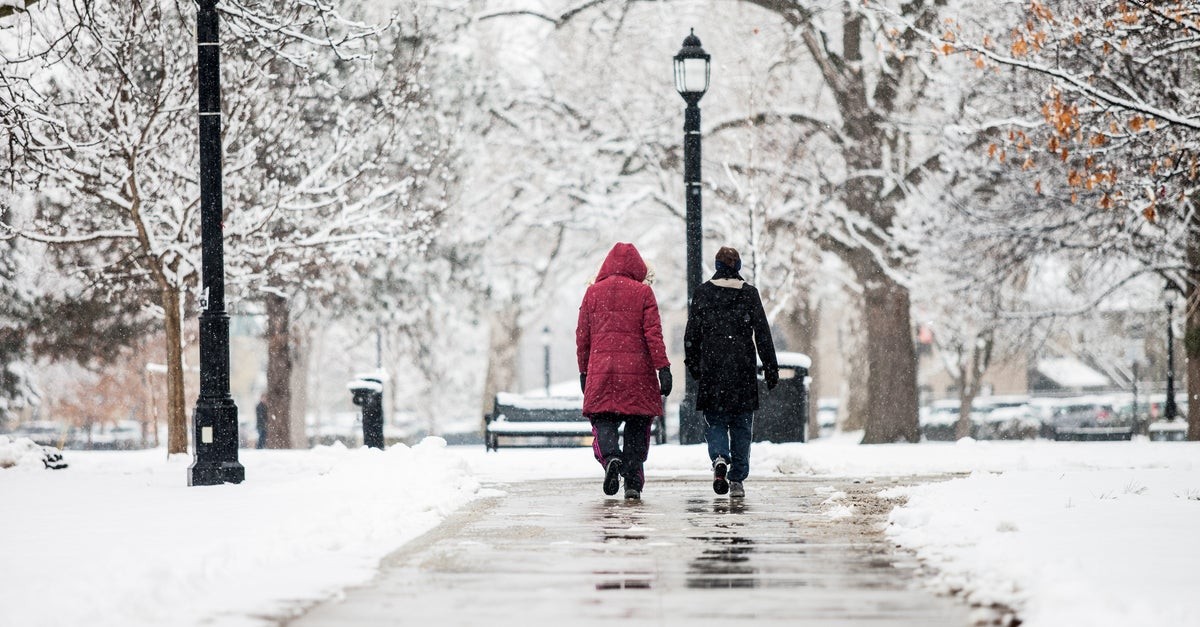
Every year, roughly 800,000 people seek medical attention after slipping and falling on ice, according to the Mayo Clinic. While seemingly minor, these falls can lead to painful injuries like scrapes, bruises, or worse. The solution, surprisingly, is simple: walk like a penguin.
Why This Matters
Winter weather brings an increased risk of falls, particularly on untreated surfaces. This isn’t just about inconvenience; it’s a real public health concern. Hospitals see a surge in fall-related injuries during cold months, putting a strain on resources and impacting individual well-being.
The Penguin Walk: How It Works
Experts recommend adopting a deliberate, penguin-like gait when navigating icy conditions. Monica Leach, a physical therapist at the Cleveland Clinic, explains the technique:
- Slightly bent knees: Maintain an active, responsive stance.
- Feet pointed outward: Enhance stability and balance.
- Arms out to the sides: Further aid in balance.
- Slow, shuffling steps: Minimize force and reduce slipping risk.
- Leaning forward slightly: Keep your center of gravity over your feet.
The key is slowing down and taking small, flat-footed steps. According to Dr. Kariline Bringe, an orthopedic surgeon, larger steps increase the likelihood of slipping due to increased force. Penguin steps reduce momentum, making falls less severe and giving you time to react.
The Science Behind It
Friction plays a critical role in avoiding falls. Icy surfaces offer minimal grip, but shuffling steps distribute weight differently, increasing stability. Keeping your arms free allows for better balance and a chance to catch yourself if you do slip. Avoiding distractions like phones or keeping hands in pockets is crucial. The latter prevents proper balance adjustments, while the former leads to inattention.
Beyond the Walk: Additional Safety Tips
- Check the weather: Be prepared for icy conditions and avoid unnecessary trips.
- Wear appropriate footwear: Choose shoes with deep-grooved, nonskid rubber treads.
- Use assistive devices: If you rely on a walker or cane, don’t forget it.
- Be aware of your surroundings: Look for dark, wet areas (potential ice) and stick to well-trodden paths.
Conclusion
Walking like a penguin isn’t just a funny suggestion; it’s a proven method for reducing the risk of winter slips and falls. By slowing down, shuffling your feet, and maintaining balance, you can significantly improve your safety on icy surfaces. Preparation, awareness, and a penguin-like stride are your best defenses against winter’s treacherous conditions.