Fennel, a plant once overlooked for its strong anise flavor, has become a staple in kitchens worldwide. From roast chicken and seafood stews to cocktails and spice blends, this fragrant vegetable offers a surprising range of culinary applications. Here’s everything you need to know about this underappreciated ingredient.
What is Fennel?
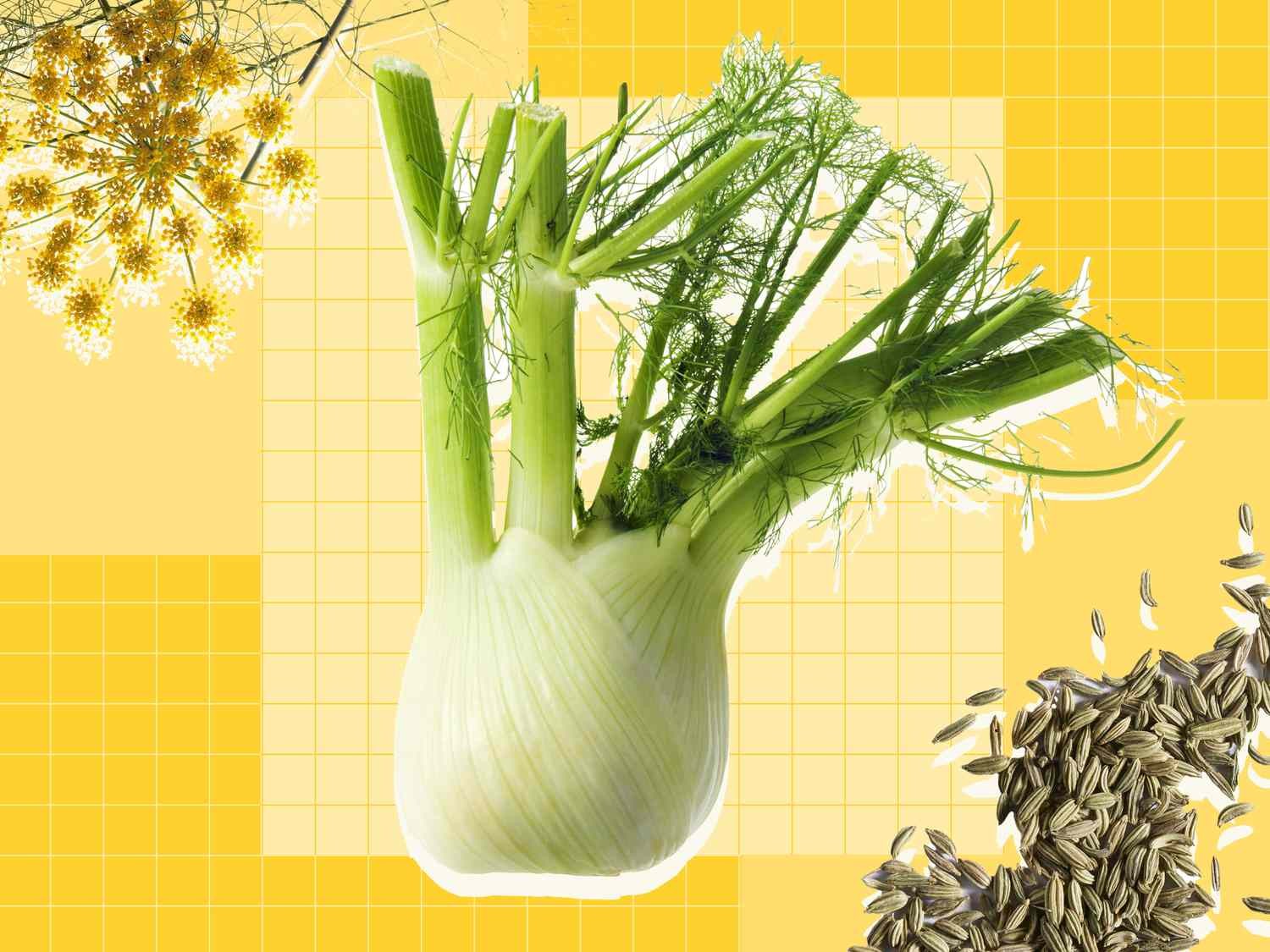
Fennel (Foeniculum vulgare ) is a flowering perennial herb native to the Mediterranean region, belonging to the Apiaceae family – which also includes carrots, celery, and parsley. Every part of the plant is edible: the bulb, stalks, fronds, seeds, and even the pollen.
Fennel is sold in grocery stores and farmers markets with its leafy fronds often still attached. While most commercially sold bulbs are around six to twelve inches long, the plant can grow up to six feet tall in the wild.
Identifying Fennel: Appearance and Flavor
Fennel bulbs are ribbed like celery but have a pale white or greenish hue, and are roughly the size of a tennis ball. The stalks are light green and connect to feathery fronds, which may produce yellow blossoms after 12–16 weeks of growth.
The flavor profile varies by variety. Finocchio (Florence fennel) is the sweetest, widely available cultivar with fruity anise notes. Other Mediterranean types like Di Firenze and Fino also offer sweet, bulbous flavors. Wild fennel tends to be more assertive, with savory and slightly bitter undertones alongside its anise character.
The bulb and stalks are crisp and mild; the fronds boast a licorice-like sweetness with lemony highlights. Fennel pollen, extracted from the flowers, delivers a honeyed citrus-anise flavor.
When is Fennel in Season?
Fennel’s availability depends on the climate. In cooler regions of the U.S., it thrives from late spring to early fall, with peak harvest in late summer and early fall. Warmer climates, like parts of California and the southern states, see peak season from November to April. Wild fennel is perennial and flourishes year-round in many areas.
How to Use Every Part of the Fennel Plant
Fennel’s versatility makes it a zero-waste enthusiast’s dream. Here’s how to use each component:
- Fennel Bulb: Raw, thinly sliced fennel has a crisp texture and strong anise flavor. It pairs well with bitter greens like radicchio in salads with anchovy vinaigrette, or atop avocado toast with citrus. Roasted or braised, it becomes tender and creamy, a subtle sweetness enhancing savory dishes like sheet-pan chicken or pasta sauces.
- Fennel Fronds: These anise-scented leaves are perfect for pestos, fish fillings (such as whole branzino with rosemary and tangerine), or as a garnish for roasted meats. Infusing olive oil with the fronds creates a bright, herbaceous finishing oil.
- Fennel Seeds: Whole fennel seeds offer a chewy texture and gentle spice. They are used in cooking and traditional medicine across many cultures. Toasted, ground, or used whole in stocks and broths, they add depth to dishes. Candied fennel seeds are also enjoyed as a breath freshener and digestive aid.
Fennel Substitutions
If fennel isn’t available, consider these alternatives:
- Anise Seed: Use half the amount of anise seed due to its stronger licorice flavor.
- Anise Liqueur: A dash in soups or curries can mimic fennel’s aroma.
- Caraway: A one-to-one substitute for fennel seeds in sausages and fatty meat blends.
- Celery: A good raw substitute, though milder in flavor.
- White Onion: For roasting or sautéing, white onion offers a similar texture, though lacks the anise profile.
Storage
Store fennel bulbs wrapped in paper towels in the crisper drawer for up to 10 days. Keep fronds and stalks separate in loosely wrapped plastic bags for up to a week. Fennel seeds should be kept in an airtight container in a cool, dry place.
Fennel is a remarkably versatile ingredient that deserves a place in every cook’s repertoire. Its adaptability and unique flavor profile make it a valuable addition to both simple and complex dishes.