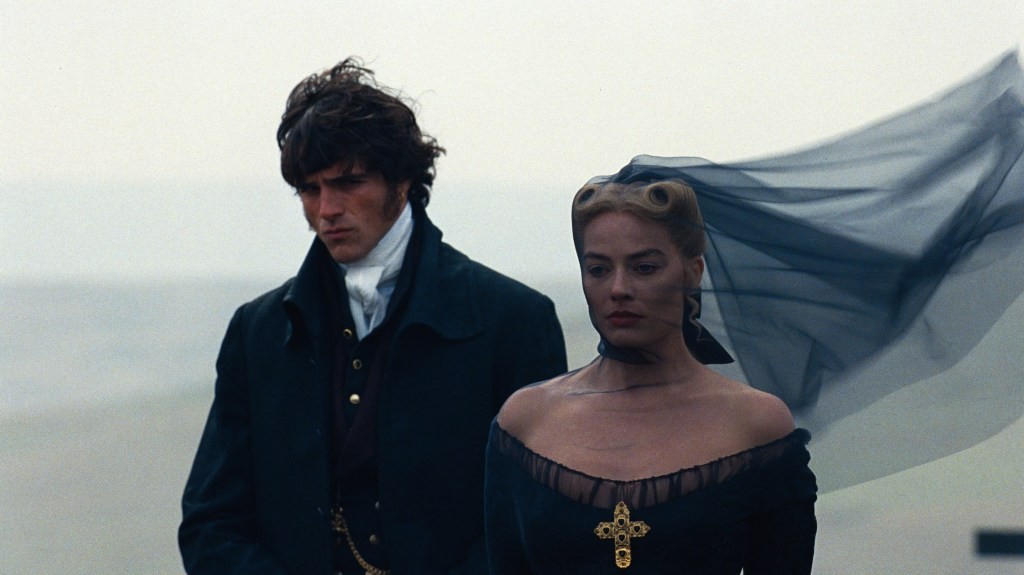
Emily Brontë’s Wuthering Heights remains one of literature’s most enduring, and controversial, love stories. The tale of Cathy and Heathcliff—a brutal, obsessive romance doomed by social class—has inspired countless adaptations. Recent controversy around the 2026 film starring Margot Robbie and Jacob Elordi has re-ignited discussion about the novel’s legacy and how it translates to the screen.
The Story’s Core: Obsession & Social Barriers
At its heart, Wuthering Heights follows Heathcliff, an orphaned boy taken in by Cathy’s family. Their bond quickly becomes an all-consuming passion, yet societal expectations force Cathy to marry a wealthier man. Heathcliff’s subsequent rise to power is fueled by revenge, as he systematically destroys those who wronged him and Cathy. This cycle of obsession and retribution is why the novel continues to provoke strong reactions.
The upcoming adaptation, directed by Emerald Fennell, has already drawn criticism for its casting choices. Fennell defended casting Jacob Elordi as Heathcliff by saying he “looked exactly like the illustration” from her first edition, and described Robbie as unlike anyone she had ever met. This sparked debate about representation and faithfulness to the source material.
Adaptations Through the Years
The story has been adapted for film, television, and stage numerous times. Notable portrayals include:
- Laurence Olivier & Merle Oberon (1939): A classic adaptation that toned down the novel’s darker elements.
- Timothy Dalton & Janet Suzman (1970): Considered by many to be the most faithful adaptation, capturing the raw intensity of the story.
- Ralph Fiennes & Juliette Binoche (1992): A visually stunning but divisive take on the material.
- Tom Hardy & Charlotte Riley (2011): A grittier, more modern interpretation.
The sheer number of adaptations highlights the story’s enduring appeal. Each version reflects the cultural context of its time, shaping how the characters and their tragic romance are perceived.
Why It Still Matters
Wuthering Heights endures because it taps into primal emotions: passion, betrayal, and the destructive power of unrequited love. The story asks uncomfortable questions about class, morality, and the lengths people will go to for obsession. The latest adaptation, like all before it, will either reinforce or challenge our understanding of this literary masterpiece. Whether Fennell’s film succeeds or fails, it will undoubtedly spark further debate about the novel’s enduring legacy.