A common dietary supplement, ursodeoxycholic acid (UDCA), shows promise in boosting the effectiveness of cancer immunotherapy, particularly for liver cancer. Scientists at the Salk Institute have discovered that specific bile acids produced by the liver can either hinder or help immune cells fight tumors. Their research, published in Science, sheds light on why liver cancer often resists immunotherapy and points to new ways to improve treatment outcomes.
The Problem with Liver Cancer Immunotherapy
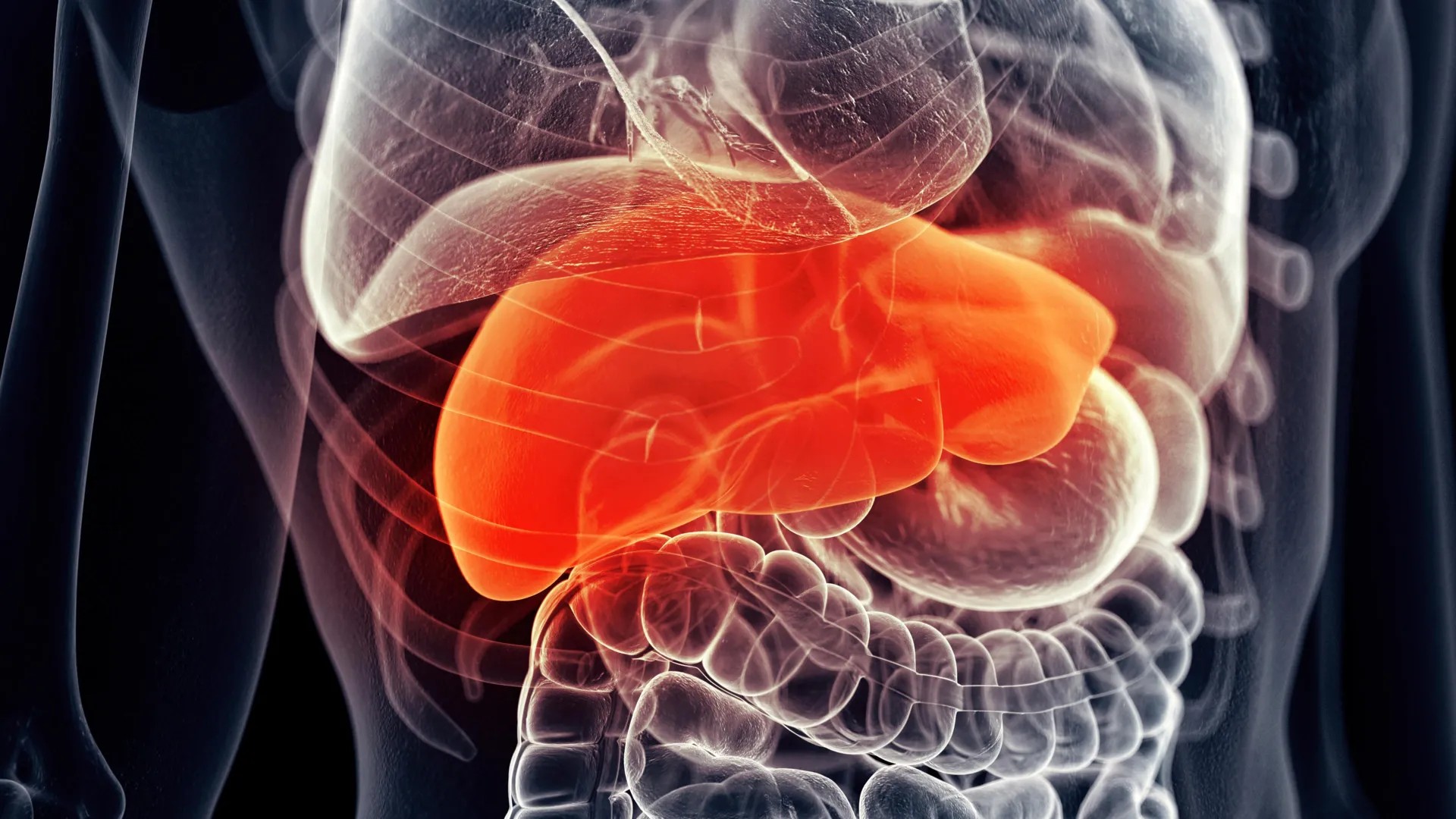
Liver cancer is notoriously difficult to treat with immunotherapy, a powerful approach that harnesses the body’s own immune system to destroy cancer cells. The key challenge lies in the unique environment of the liver itself. This organ generates over 100 different bile acids, which are essential for digestion but can interfere with the function of T cells—the immune cells responsible for killing cancer.
The study found that certain bile acids weaken T cell activity and accelerate tumor growth. Conversely, UDCA, a bile acid already approved for treating liver diseases, actually enhances T cell performance. Researchers observed that increasing UDCA levels through dietary supplements significantly shrank liver tumors in mice.
How Bile Acids Impact Immunity
The Salk Institute team meticulously analyzed human liver cancer biopsies and mouse models to identify the specific bile acids involved. They discovered that high levels of conjugated bile acids suppress T cell function, while UDCA had the opposite effect.
Specifically, blocking the production of conjugated bile acids using a protein called BAAT significantly reduced tumor load in mice. This suggests that manipulating BAAT activity could improve immunotherapy response in humans.
Implications for Treatment
The findings have immediate translational potential, as UDCA supplementation is already a safe and approved treatment for other liver conditions. Researchers believe it could be readily tested in liver cancer patients to enhance immunotherapy effectiveness.
Beyond UDCA, the study opens new avenues for research:
- Gut Microbiome Manipulation: Exploring how gut bacteria influence bile acid levels could lead to probiotic-based therapies.
- Chronic Liver Disease and Obesity: The same principles may apply to treating chronic liver disease and obesity, where bile acid imbalances are common.
“We’re already a huge step ahead when it comes to translating our findings to the clinic, because UDCA supplementation is already used to treat liver disease and could easily be tested in liver cancer next,” says Professor Susan Kaech, lead author of the study.
These results underscore the importance of considering organ-specific factors in cancer treatment. By understanding how the liver’s unique environment affects the immune system, scientists can develop more targeted and effective therapies.