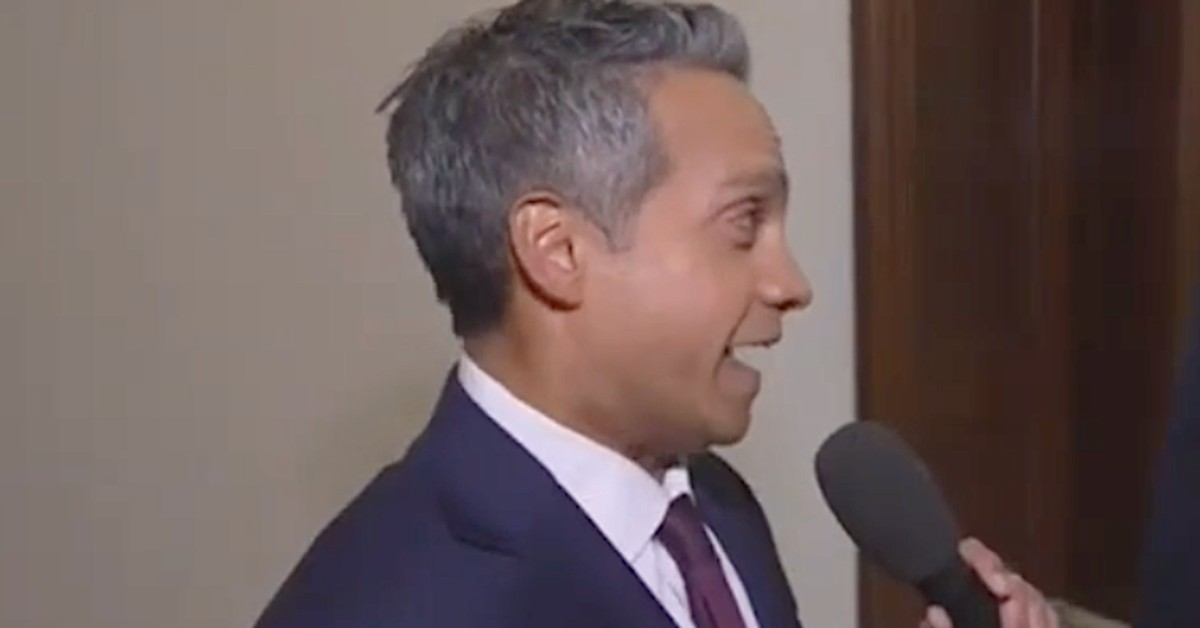
CNN’s Manu Raju sharply questioned Democratic Maine Senate candidate Graham Platner about past online comments widely considered insensitive, including statements on rape and racial stereotypes. The exchange, which occurred on “Inside Politics Sunday,” centered on resurfaced Reddit posts from 2013 where Platner appeared to downplay personal responsibility in sexual assault cases.
Past Comments Resurface
Raju directly challenged Platner, playing a clip highlighting the “bad” and “terrible” nature of the posts. One entry read, “How about people just take some responsibility for themselves and not get so fucked up they wind up having sex with someone they don’t mean to?” Despite receiving an endorsement from Senator Elizabeth Warren, Platner faced persistent questioning regarding the political fallout of the resurfaced comments.
Candidate’s Response and Context
Platner argued that the issue had been repeatedly addressed during his campaign and that voters had largely moved past it. He claimed that revisiting the controversy now felt like typical political maneuvering. He also emphasized his personal growth, stating he had “transformed” since making those statements. When pressed directly, Platner confirmed he regretted the posts, attributing them to a difficult period following his combat deployments, where he felt isolated and disillusioned.
Additional Controversies
The interview also touched on other problematic statements made by Platner. These include social media posts labeling the stereotype of Black people not tipping as “solid” and advocating for an “armed working class” as necessary for economic justice. Furthermore, allegations surfaced regarding a concealed Nazi tattoo on his chest, which Platner denied having any knowledge of its historical association.
Political Implications
The controversy poses a risk to Democratic hopes of flipping the Senate seat currently held by moderate Republican Susan Collins, who is considered vulnerable. Some within the Democratic Party are hesitant to fully embrace Platner’s candidacy due to his controversial past. The Maine primary election in June will determine whether voters will overlook these issues or if they will derail his bid for office.
The resurfacing of these comments highlights the increasing scrutiny candidates face in the digital age, where past online activity can quickly become a major liability. The case also underscores the challenge of reconciling personal evolution with past statements, especially when those statements are deeply offensive or insensitive.