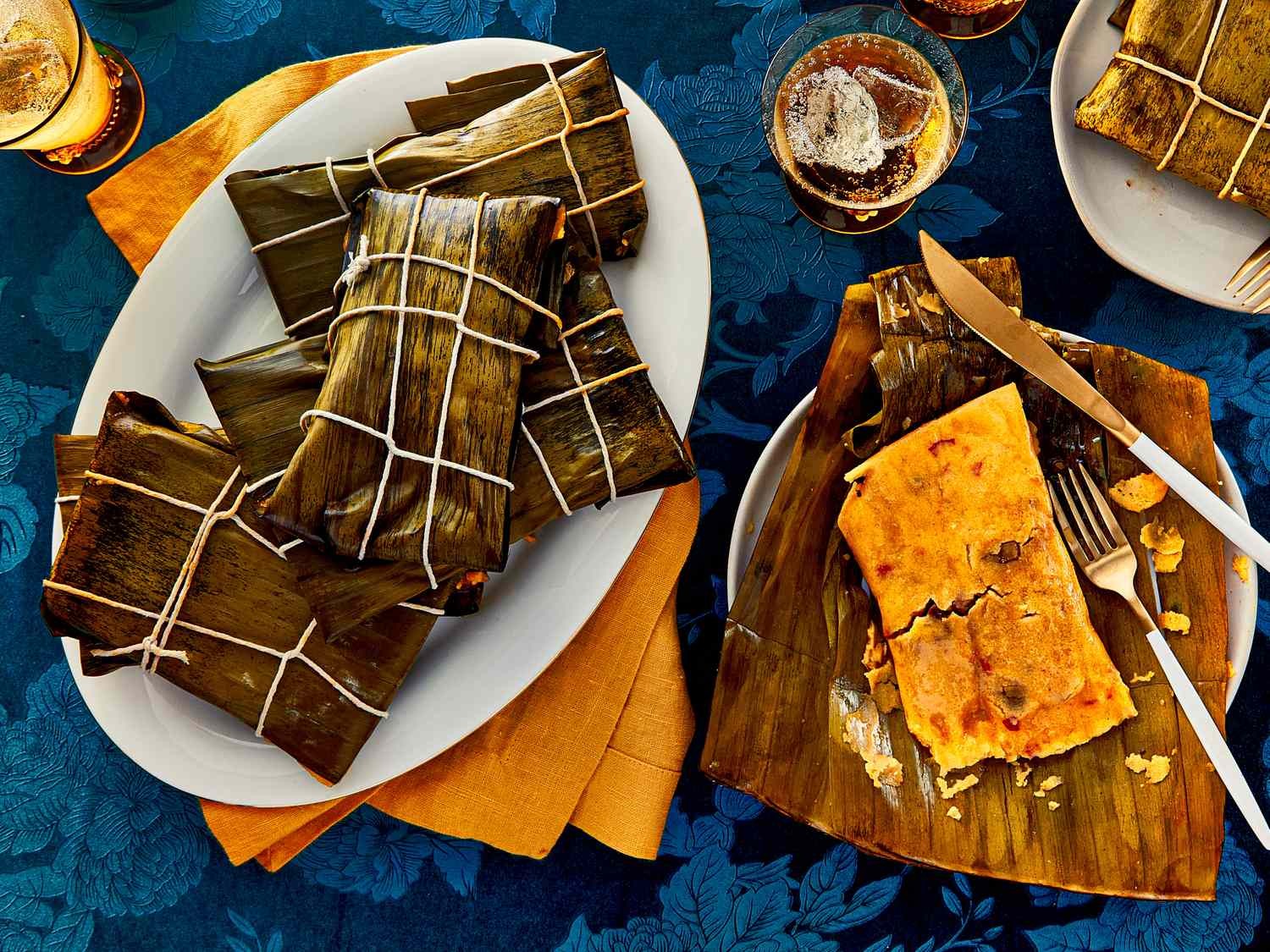
Hallacas are more than just a holiday dish in Venezuela; they are a culinary cornerstone of Christmas celebrations, deeply rooted in family tradition and communal cooking. While visually similar to tamales, the distinction is significant for Venezuelans – a point many emphasize with playful insistence. Making hallacas isn’t a casual undertaking; it’s a dedicated, often multi-day event that turns food preparation into a cherished part of the festivities.
The Ritual of Hallaca Making
Families across Venezuela clear their schedules during the holiday season to cook hallacas together. The process is as important as the final product, marked by music, conversation, and a carefully orchestrated production line. Each person plays a role: chopping, seasoning, assembling, or overseeing – a tradition refined over generations.
A Family Recipe, Scaled for Modern Cooks
One family, the Roussets, generously shared their recipe, recognizing its cultural weight. While travel to Venezuela may not always be feasible, the shared recipe keeps the tradition alive for those abroad. This adaptation is scaled for home cooks, ensuring that the process remains manageable without sacrificing flavor. The recipe yields ten hallacas, a practical amount for enjoying the effort without being overwhelmed, though it can be easily doubled or tripled for larger gatherings. Cooked hallacas freeze exceptionally well, making them a convenient gift for future meals.
Precision in Preparation: Why Details Matter
The precision of ingredient preparation is critical. Onions and bell peppers are cut two ways: thinly sliced for garnish and finely diced for the filling. The diced vegetables melt into the guiso – the rich, seasoned meat-and-vegetable stew at the heart of the hallaca – while the reserved slices add visual appeal after unwrapping. The meat (beef, pork, and ham) is also cut into small, uniform pieces to ensure balance in every bite and facilitate clean folding.
The Flavorful Heart: Building the Guiso
The filling revolves around the guiso, a stew simmered with beef and pork, sweet red wine, capers, papelón (unrefined cane sugar), tomatoes, and ají dulce. Ají dulce, a small, aromatic pepper, provides fragrance rather than heat. Regional variations exist: coastal areas may use fish instead of meat, while some families add chickpeas or chicken. The Rousset family’s version includes ham for a subtle smokiness and sweetness.
Masa Magic: Hydration, Color, and Aroma
Broth from cooking the meat is reserved for the masa (dough), adding depth and richness. Warm broth ensures even hydration of the precooked cornmeal, resulting in a soft, pliable dough. Onoto (annatto) oil lends the masa its signature golden color and subtle aroma, while banana leaves prevent sticking, encourage even steaming, and impart a delicate perfume to the dough. Brushing the leaves with onoto oil further ensures clean release.
The Finishing Touch: Adornment and Steaming
Tradition and personality shine through in the adornment. The Roussets favor a classic Caracas-style combination: onion rings, pepper strips, raisins, olives, and a single almond. These garnishes add contrast, brightness, and playful surprises. Once assembled, folded, and tied, hallacas are steamed rather than boiled to prevent waterlogging and ensure a soft, consistent bite.
Hallacas represent more than a meal; they embody a cultural heritage and the enduring power of family tradition. The act of making them, rather than simply eating them, is what truly defines the Venezuelan Christmas experience.