
Think about it for a second. A wiggly, ribbon-shaped creature living inside you. It absorbs nutrients. It lays millions of eggs. Some can grow up to 80 feet long. They can stay in a host for three decades. If that doesn’t make you shudder, wait until you hear about the reproduction.
Most people in developed countries don’t have to worry. Infection is tied to poor sanitation. It happens when fecal matter gets into the mouth. This occurs through bad hand washing or bathing. It also happens if you work with livestock in areas without proper waste disposal. Eating undercooked or raw meat is another risk. The eggs survive the cooking process. So maybe skip that rare steak.
Despite the gross factor, some people think getting a tapeworm is an easy way to lose weight. It sounds logical on paper. If the worm eats your calories, you stay thin. Tapeworm pills were sold as diet aids in the past. The idea persists because it seems simple.
But it isn’t. There are myths everywhere. We need to untangle this. How do you actually get infected? How does it leave? Did an opera singer use this method to slim down? What is the real cost?
How Do You Get a Tapeworm In Your Body?
You don’t just catch it from the air. It requires a specific pathogen pathway. The primary route involves the fecal-oral transmission cycle. Contaminated water or food is the usual suspect. In rural areas with open sewage systems, the risk spikes significantly.
Then there is the food chain. Beef tapeworm comes from cattle. Pork tapeworm comes from pigs. Fish tapeworm comes from freshwater fish. You ingest the cysts in the meat. The larvae hatch in your intestine. They attach to the wall. They grow. It is a slow, biological hijacking.
The danger isn’t just weight loss. It is malnutrition. The worm steals vitamins. It causes abdominal pain. It can block intestinal flow. And if eggs migrate to the brain, it becomes cysticercosis. A neurological nightmare.
So no. It is not a diet plan. It is a medical emergency. The weight loss is a side effect of sickness. And the recovery is long. You need medication. You need hygiene. You need to never think about this as a beauty tip again.
The myth of the slimming worm survives because we are obsessed with quick fixes. We want to eat without consequence. But biology doesn’t work that way. The body fights back. The worm suffers too. It is a symbiotic disaster.
Why do we keep hearing this story? Because it sounds like a fairy tale. A magical cure. But reality is messy. And sometimes, reality involves an 80-foot worm in your gut. Which is less fun than it sounds.
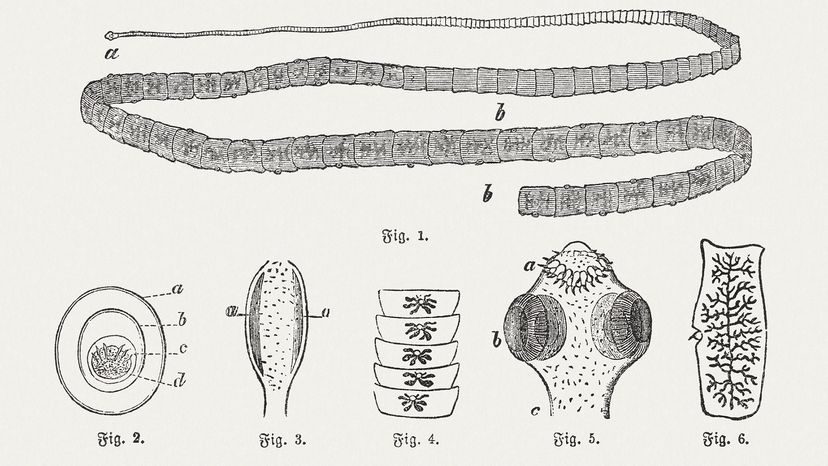
Let’s get one thing straight immediately. You can try to repackage it as a convenient weight-loss hack all you want, but a tapeworm is a parasite through and through. It doesn’t care about your goals. It cares about eating. Specifically, it obtains all its nutrients from the digestive system of its host animal. Here’s the strange part: a tapeworm doesn’t even have a digestive system of its own. It just absorbs nutrients, mostly carbohydrates and sugars, that have already been partially broken down by the host.
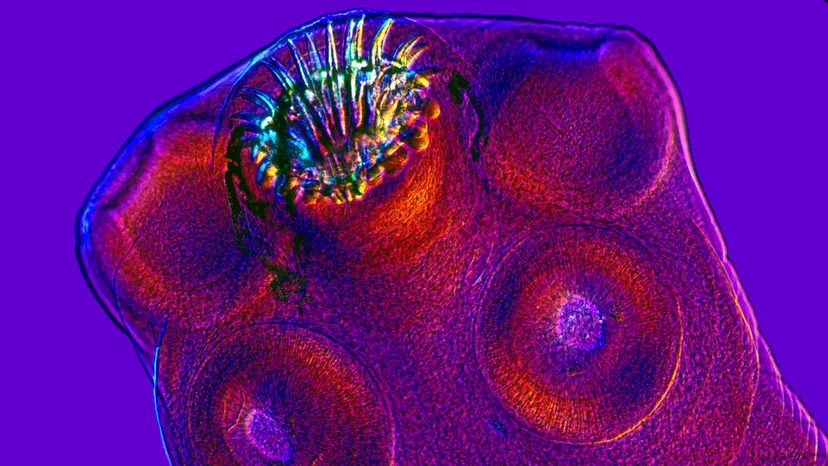
An adult tapeworm lives inside the intestines of its host. This could be a pig, a cow, a dog, a sheep, a fish, or a human. Different species prefer different hosts, though most can infect several types of animals. At the top of the worm is the head, called the scolex. The scolex has suckers or hooks. It uses these to attach to the intestinal wall. Without this feature, the peristaltic action in the host’s intestines would push the worm out. Peristalsis is the rhythmic muscular contraction that moves material through the digestive tract. Below the scolex is the neck. The rest of the worm’s body buds off of the neck.
Here is where it starts to get really creepy.
The tapeworm’s body, called the strobila, is made up of many segments. Sometimes thousands. Each individual segment is known as a proglottid (pronounced proh-GLAH-tuhd ). A proglottid is either male or female. The segments closest to the neck are mostly male and produce sperm. Segments farther along the body are female and are basically egg sacks. A tapeworm can produce millions of fertilized eggs. In fact, each individual body segment is home to about 100,000 eggs.
Proglottids frequently break off from the worm. They are passed out of the host along with feces. However, each proglottid has functional muscles, allowing it to crawl. Sometimes, a detached proglottid will crawl out of the host through the anus. More often, a proglottid crawls away from the pile of fecal matter left by the host. This increases the chances that it will be eaten by a different animal. Eventually, the proglottid disintegrates, leaving behind the eggs.
When the eggs are eaten by an herbivore, they are “hatched” by the conditions within this intermediate host’s digestive system. The larval stage, known as a hexacanth, uses hooks to burrow through the host’s intestinal walls to reach the bloodstream. There, it turns into a scolex and forms a cyst. The resulting condition is known as cysticercosis. Pigs, cows, and sheep are most commonly infected. Humans can act as an intermediate host for the pig-born species of tapeworm, and therefore can contract cysticercosis.
We’ll get back to the horrors of cysticercosis in a minute.
Once the cysts form, the parasite simply waits within the host. When the host animal dies, the meat may be eaten by other animals or by humans raw or undercooked. The ingested cysts pass into the primary host’s digestive system. There, the scolex attaches to the intestine wall and the whole cycle begins again.
Once a person has a tapeworm, they’re officially saddled with a parasitic infection known as “human taeniasis.” On its own, human taeniasis isn’t such a big deal, as it is often asymptomatic. However, it can develop into cysticercosis. This is the condition resulting from tapeworm hexacanths burrowing their way into your bloodstream, which is decidedly not pleasant.
The cysts can end up pretty much anywhere in your body. Including in your eyes or your brain. The cysts sometimes grow, and they inflame the surrounding tissue. The resulting pressure can cause temporary symptoms or permanent damage. This includes blindness, brain damage, or even death in some extreme cases. In developing countries, it’s considered to be the main cause of adult-onset seizures. It is far more likely to happen to people who are living with someone who has a tapeworm already.
Tapeworms can also wreak digestive havoc if they get really big. They can block the appendix, bile ducts, or pancreatic ducts. Tapeworm cysts can also grow within organs like the lungs and liver. If they get large enough they’ll disrupt the functioning of said organs. Occasionally, one of these cysts will even rupture. This can cause itching, hives, trouble breathing, and swelling not unlike a severe allergic reaction.
Understanding Tapeworm Symptoms and Prevention
The danger isn’t just in the adult worm stealing your calories. It’s in the latent larvae moving into your tissues. If you suspect exposure, or if you’ve heard horror stories about people who tried to “outsource” their digestion, know that the medical consensus is firm. The risk of severe neurological and organ damage outweighs any theoretical metabolic benefit by a massive margin.
Prevention hinges on food safety. Cook meat thoroughly. Wash hands after handling raw meat or using the bathroom. Avoid undercooked pork, beef, or fish. The cycle is hard to break once it starts, and the medical intervention required to remove cysts from the brain or eyes is invasive and risky.
There is no safe “diet” that involves harboring a multi-segmented, egg-producing intestinal parasite. The body rejects foreign invaders for a reason. Ignoring that signal doesn’t make you leaner. It just makes you sick.
If you’ve read through the horror stories and decided that inviting a worm into your digestive tract is a terrible idea, good. That is the sensible choice. But how do you actually ensure you stay safe?
It starts with the basics. Wash your hands. Seriously. Soap and warm water after using the bathroom and before touching any food you plan to eat. This simple hygiene habit drastically reduces your odds of becoming an accidental host.
In the United States, the food supply is generally safe because of rigorous meat inspections. You can actually spot cysts in meat if you know what they look like. But relying on your eyes isn’t enough.
How to Cook Meat Safely
Cooking is your best defense. Resist the urge to order steak rare. Use a food thermometer. For whole cuts of beef, pork, lamb, or veal, aim for a minimum internal temperature of 145°F (63°C).
Here is the part people skip: let the meat rest for at least three minutes after taking it off the heat. This resting period allows the residual heat to kill off pathogens.
Ground meats are different. They need to reach 160°F (71°C). No resting period is required for ground beef because the surface area has been exposed to potential contamination during grinding.
If you live in or travel to a developing region, the rules change. Assume the water might not be safe. Boil it for one minute before drinking or using it to wash fruits and vegetables. Avoid contact with animal and human feces, especially in areas where livestock are raised. Proper disposal is key.
Recognizing the Signs
Often, a tapeworm infection shows no symptoms at all. You might feel fine. But if you start noticing weakness, nausea, abdominal pain, diarrhea, dizziness, or a sudden loss of appetite, pay attention.
Weight loss and salt cravings are also telltale signs. If these pop up, see a doctor. They will likely check a stool sample for segments or eggs.
More severe, invasive infections can cause headaches, allergic reactions, seizures, neurological issues, and cystic lumps under the skin. This is not a minor inconvenience.
Treatment and the Myth of Weight Loss
If caught early, a single dose of niclosamide or praziquantel is usually enough. These anti-worm medications force the parasite’s muscles to contract permanently, causing it to detach and pass through your feces.
Severe cases may require surgery.
The internet loves to claim that tapeworms are a quick fix for weight loss. This is a dangerous myth. The weight you lose is often muscle mass and water, not just fat. The health risks far outweigh any temporary scale movement.
Addressing Common Questions
Why do I need to rest meat after cooking?
The resting period allows the internal temperature to remain high enough to kill bacteria that may still be lurking. It is a critical step in food safety.
Which meats are most at risk?
Beef, pork, and fish are common vectors. However, any meat that is not cooked to a safe temperature can harbor parasites.
How can I tell if my meat is infected before cooking?
You can look for cysts, but this is not a reliable method. Always rely on temperature and inspection standards rather than visual guessing.
Where do tapeworms live in the body?
They attach to the intestinal wall. From there, they absorb nutrients meant for you.
What happens if I ignore the symptoms?
The worm can grow larger, leading to blockages or releasing eggs that migrate to other organs, causing cysticercosis. This is a serious condition affecting the brain and muscles.
We talk about beauty routines and fashion trends as if they are complicated. Managing your health is simpler. Wash your hands. Cook your meat. Listen to your body.
If you feel weird, get checked. It is not worth the risk for a quick fix. The allure of easy weight loss is strong, but the reality is a medical nightmare.
Stay safe. Stay informed. And maybe skip the exotic diets.

Debunking the Milk and Cookie Myth
Let’s clear up the weirder myths surrounding tapeworms before we get into the health risks. There is a persistent legend that you can lure a tapeworm out of your gut by placing a bowl of milk and cookies near your mouth. This is entirely false. A tapeworm isn’t Santa Claus. It lives deep in your intestines, separated from your mouth by your esophagus and stomach. More importantly, it has no sensory organs. It cannot smell, taste, or see food. It is a simple creature. Putting food near your mouth or even your other end won’t draw it out. If you suspect an infection, take the medication prescribed by a doctor and let nature handle the rest.
The Maria Callas Misconception
Opera singer Maria Callas is often cited in rumors about using tapeworms for weight loss in the mid-1950s. She did lose over 60 pounds in a few months. She also contracted a tapeworm at some point. However, historians and biographers believe these two events are unconnected. Callas enjoyed rare steak, which was likely the source of her infection. The connection between her weight loss and the parasite is a persistent myth born from jumbled facts.
Historical “Sanitized” Remedies
There is evidence of advertising from the late 19th and early 20th centuries that marketed “sanitized tapeworms” to help women stay slim. It is difficult to verify if those pills actually contained tapeworms or if women ingested them hoping to get infected. A pill would likely need to contain a cyst from the tapeworm’s life cycle. Cultivating enough of these for mass production sounds unpleasant and unlikely. Still, it is probable that somewhere in history, someone tried this method. So, did people try to use tapeworms to lose weight? Yes. Was it widespread? Probably not.
What Actually Happens to Your Body?
So, what happens when you host a tapeworm? Do the pounds just vanish? Can you eat whatever you want without consequence? Not exactly. Tapeworms are not large enough to absorb all the calories you consume. If your diet is already restricted, the parasite might steal enough nutrients to cause malnutrition or make you eat more. If you are consuming high-carb foods, you and the worm will likely both gain weight. Most infections are completely symptom-free. You might not even know you have one until a proglottid (a segment of the worm) appears in your toilet.
Some hosts experience intestinal discomfort or diarrhea. A reduced appetite can lead to weight loss. However, reading about this topic can cause a similar loss of appetite, so drastic measures are unnecessary. Even if a tapeworm sheds some pounds, it is not a viable strategy.
The Hidden Costs of Parasitic Weight Loss
For most people, the goal of weight loss is to look better. But as a tapeworm steals vital nutrients like vitamin B12, your health will deteriorate. You might slim down, but your sickly appearance will likely turn people off. There is also the risk of ascites. This condition occurs when the immune response to the infection causes fluid to build up in the abdominal cavity. Your belly swells. This is the opposite of the flat stomach most people want.
Then there is cysticercosis. This can lead to brain damage, blindness, or death. Given these risks, it is safe to say that if you want to lose weight, eat less and ride your bike. The old ways are safer than the parasitic ones.