


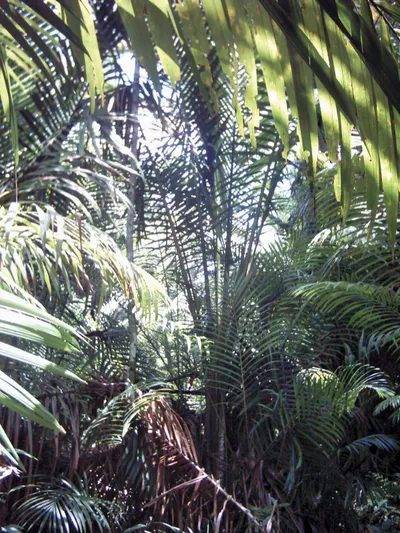

It is not just another thickener. Sago is a dense, starchy staple that has sustained populations in the southwest Pacific for centuries. While many Western cooks reach for cornstarch or tapioca, they are ignoring a grain with a distinct history and texture. The primary source is the true sago palm, Metroxylon sagu, a tree native to the Indonesian archipelago. You will find extensive sago forests on Seram Island and in Borneo, which supplies much of the sago imported into Europe.
How Sago Palms Work
These palms thrive in low, marshy areas. They grow quickly, reaching nearly 9 meters (30 feet) in height. The trunk thickens as the tree matures. It takes about 15 years for the plant to produce a flower spike. At this point, the pith—the central part of the stem—becomes heavy with starch.
This timing is everything. If you let the fruit ripen, the tree uses up that starch to produce seeds. The stem turns hollow. The tree dies. Therefore, cultivated plants must be cut down exactly when the flower spike appears. This ensures the starch is still there, waiting to be harvested.
The Extraction Process
Once the tree is felled, the stems are split open. The starchy pith is grated into a powder. Workers then knead this powder with water over a strainer. The starch passes through into a trough below. Woody fibers stay behind. After several washings, you have pure sago meal.
Export-grade sago looks different. The meal is mixed with water to form a paste. This paste is rubbed through sieves of varying sizes. The result is the familiar pearls or bullets you might see in a dessert recipe. The size of the grain determines the name.
Nutrition and Culinary Uses
Sago is almost pure carbohydrate. It contains 88 percent carbs. There is barely any protein (0.5 percent) and only minute traces of fat. B vitamins are present in only a trace amount. It is not a nutritional powerhouse. But it is a basic food source in its native region.
In the southwest Pacific, locals use the meal form to make soups, cakes, and puddings. Elsewhere, it serves a different purpose. It is mainly used as a thickener for puddings and sauces. The texture is smooth, with a slight chew that cornstarch cannot replicate. In industry, it even acts as a textile stiffener.
Other Sources of Sago
Confusion often arises because other plants share the name. The cycad sago, Cycas revoluta, is another source. However, extracts from this plant contain cycasin, a neurotoxin. Additional processing is required to remove it before it is safe to eat. Cassava root can also be processed to yield a sago-like starch. But true sago comes from Metroxylon sagu.
Why Choose Sago?
You might wonder why bother with sago when tapioca or cornstarch exists. The answer lies in texture. Sago pearls hold their shape better during cooking. They do not break down into a gluey mess as easily as tapioca. This makes them ideal for clear soups or delicate fruit desserts where you want to