



The story goes that ancient farmers in the Andes noticed their livestock became more fertile after eating a certain plant. That plant was maca root. It’s a cruciferous vegetable, related to broccoli, cabbage, and mustard. People in Peru eventually started eating it themselves for the same reasons. They wanted better memory. More energy. A stronger sex drive.
Today, maca root is famous globally as a natural aid for conception. Often called Peruvian ginseng, it has been used for millennia. But does it actually work for humans? The science is tricky. Anecdotal reports are everywhere, but rigorous human trials are scarce. What we do know is that the plant contains prostaglandins and sterols. These compounds might influence sexual desire. But the mood-enhancing effects remain largely unproven in clinical settings.
Let’s look at the data. Specifically, how this tuber affects male and female fertility differently.
The Male Reproductive System
Scientifically, maca is known as Lepidium meyenii. The part above ground—scalloped leaves, white flowers—looks nice. It’s pretty. But the benefits lie underground. The root itself is a tuber. It looks like a radish.
Not all maca roots are the same. They come in different colors based on the hypocotyl, the upper part of the root. Researchers have found that black maca has a distinct impact on male fertility.
In one study, rats given extract from black maca saw an increase in sperm count within just one day. This confirmed earlier findings in Peruvian men. The study showed improved sperm production and better sperm motility.
What is sperm motility? It measures the percentage of sperm that can move forward effectively.
Another study looked at infertility in rats exposed to lead. Maca root prevented spermatogenic disruption. It protected the reproductive system from environmental toxins.
So, for men, the evidence is stronger. Maca may boost sperm count. It may improve movement. It may act as a mild aphrodisiac, increasing the frequency of intercourse. If you’re trying to conceive, these are concrete benefits.
The Female Perspective
Maca is often marketed to women for PMS relief or menopause support. Those uses have some anecdotal backing. But fertility? The research lags behind.
There have been far more studies on male fertility than female. Anecdotal evidence suggests maca helps women conceive. But the scientific proof is thinner.
That changed slightly in 2005. A notable study tested yellow maca extract on mice. The result? An increase in litter size. This was the first scientific study to confirm an influence on female fertility.
Is it a miracle cure? No. More research is needed. The results are encouraging, but they are preliminary. We don’t yet know the exact mechanism by which yellow maca supports female conception.
Preconception Health Beyond Fertility
If maca helps sperm count and sexual desire, it makes sense to take it before conception. But its benefits extend further. Overall health matters for fertility. Both men and women need a strong foundation.
Maca is believed to increase vitality in several ways:
- It may boost energy and stamina.
- It may reduce fatigue.
- It might support the immune system.
- It provides essential minerals, particularly iron and iodine.
Iron is key for women. Pregnancy often leads to iron deficiency. Ensuring healthy iron levels before you get pregnant is a smart move.
But there’s a catch. Some people have conditions that cause iron overload. It’s rare in women of childbearing age. But it happens. If you plan to increase your iron intake through maca, get your levels tested first. Talk to a physician. Don’t guess with your nutrients.
The Taste Factor
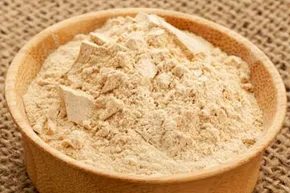
How do you take it? Capsules are common. Powder is another option. If you’re brave enough to eat the raw root, prepare for surprise. It has a starchy taste. Some say it tastes like butterscotch.
The history of maca is long. The science is still catching up. But for couples struggling with conception, the potential benefits—especially for men—are worth exploring. Just keep expectations realistic. And check your iron levels.
Navigating Supplement Risks
For millennia, people in the Andes have consumed maca root without issue. It is a dietary staple there, eaten as a whole food. That context matters. When you buy maca in capsule or powder form at a local health store or online, the story changes.
Processing introduces variables. You cannot see what happens during manufacturing. Impurities might slip in. The dosage might be off. With any supplement, these risks exist.
The U.S. Food and Drug Administration (FDA) does not regulate dietary supplements. This lack of oversight means you must be your own safety net.
Here is how to protect yourself:
- Consult your doctor. Talk to your physician before starting maca root or any new supplement.
- Choose reputable brands. Buy from trusted dealers who prioritize quality control.
Growing Your Own Maca
Can you grow maca at home? Probably not.
The plant is exclusive to the Andes region. It thrives only in cold, high-elevation areas with poor soil quality. These specific conditions are hard to replicate elsewhere. So skip the DIY approach unless you live in the Peruvian highlands.
Looking Ahead
Maca root is often linked to fertility. That connection draws many people to it. If you are curious about how maca might influence reproductive health, more details await in the next section.