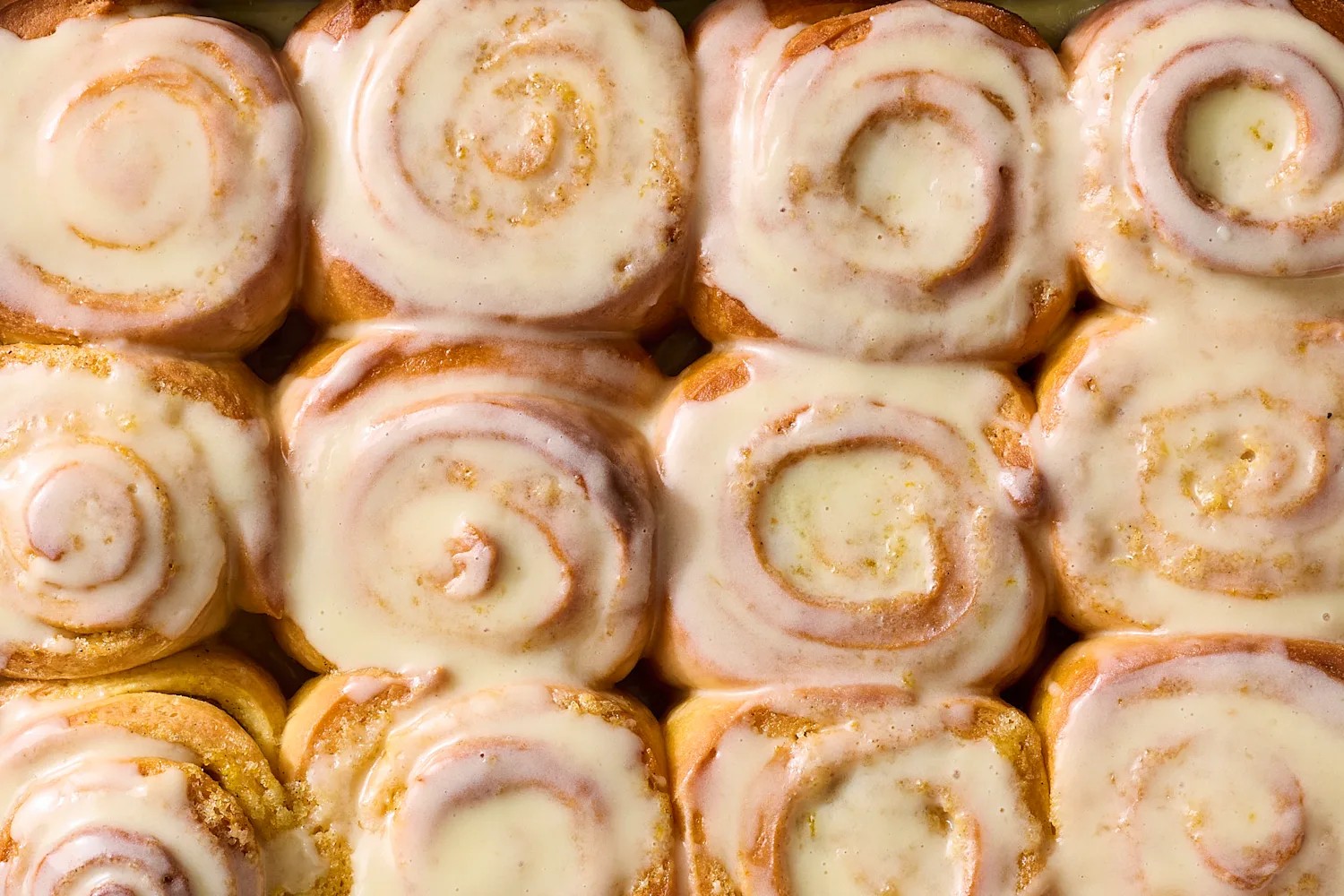
Orange Creamsicles, but baked. Soft dough, bright citrus, tangy cream cheese.
Most people think cinnamon rolls are the end of the line. They are not. These orange rolls are better. The dough isn’t just bread; it’s infused with fresh orange juice and zest, baked with butter, and rolled with a cardamom-sugar mix that smells like heaven.
Why? Because it’s soft. Because it’s fast-ish. Because it tastes like it came out of a professional bakery, but it actually came out of your oven while you were watching TV.
“I love cinnamon rolls, but I adore orange rolls. This recipe nails it.” — Patty, April 2024
The Dough Is Different Here
Usually, citrus is a filling or a glaze. Not here. The orange lives in the flour. You mix the zest and juice directly into the yeast and milk. This means the steam that escapes while baking carries orange scent. Every layer. Even the crust.
The dough uses all-purpose flour. Just enough protein to hold the shape, but not enough to make it tough. We add warm whole milk. Fat equals tender. We add melted butter. More tender. The result is a dough that rises into pillowy clouds rather than dense bricks.
Cardamom is the secret weapon. It pairs with orange better than it pairs with almost anything else. Floral, spicy, cozy. If you haven’t used it, get it now. It sets these rolls apart from generic citrus bread.
Stop Using Instant Yeast
The author, a pastry chef trained in Lyon, has strict rules. One of them is about yeast. Do not use quick-rise or rapid-rise yeast. Those are forms of instant yeast. The granules are too fine. They activate too fast.
If you use fast yeast, the dough rushes through the rise. Flavor development? Non-existent. You get bland rolls.
Use active dry yeast. It rises at a steady, moderate pace. The longer the dough rises, the more the starches break down, the more flavor builds up. It’s science, but also taste.
Making Them Without Panic
- Activate. Warm milk, yeast, sugar. Wait until it foams. If it’s flat, the yeast is dead. Throw it out. Start again. Don’t risk it.
- Mix. Add the orange juice, zest, egg, butter, vanilla. Then the flour. Knead until the dough pulls away from the bowl sides. It should be elastic. Like earlobe soft.
- Wait. Cover it. Let it double. This takes an hour to ninety minutes. Go take a walk. Do not rush fermentation.
- Fill. This is the fun part. Rub orange zest into sugar until the sugar turns slightly orange and smells incredible. Mix in soft butter and cardamom. Roll out the dough into a rectangle. Spread the filling. Roll it into a log.
- Slice. Use unflavored dental floss. Yes, really. Slide the floss under the log, pull the ends up to trap it, cross the ends, and pull down tight. Clean cuts. No squished layers. A knife crushes the air bubbles you worked so hard to create.
- Proof & Bake. Let them puff in the pan. Bake until golden brown. Center temp should be 190°F (88°C).
The Glaze Is Non-Negotiable
While the rolls bake, beat softened cream cheese, butter, powdered sugar, and a little more orange juice. Whip it until it looks like thick cake batter.
Spread it over the rolls immediately. Not after they cool. The residual heat melts the cheese. It sinks into the swirled crevices. It creates a glossy, tangy shield that balances the heavy sweetness of the dough and sugar.
If you skip the cream cheese? Fine. Use a simple orange sugar glaze. But you’re missing the texture contrast. The tang cuts the sugar. That’s why we do it.
Swaps for Your Life
- No cardamom? Try ginger. Or a pinch of nutmeg. The orange will still shine.
- Vegan? Swap dairy milk, butter, and cream cheese for plant-based alternatives. The method doesn’t change. The taste will be slightly different, but still good.
- Hate dental floss? A serrated knife works if you saw gently. Avoid straight blades; they compress the dough.
Storing and Reheating (So You Don’t Waste Them)
These don’t last long. People eat them fast. But if you have leftovers, let them cool completely. Cover the pan or use an airtight container.
Refrigerate for up to 4 days Freeze for 2 months.
Reheating is critical. Do not serve them cold and hard. Put refrigerated rolls in a 300°C oven, covered with foil. Heat for 8-10 minutes. The icing becomes creamy again. The center gets warm.
Frozen? Thaw overnight in the fridge first. Then reheat. Microwave single rolls for 30 seconds, but only if you’re lazy. The oven method is superior.
Can you assemble them ahead? Yes. Roll them, slice them, put them in the pan, and cover. Fridge them overnight. In the morning, let them sit on the counter for an hour. They will proof. Then bake.
Final Thought
Is it a breakfast thing? A snack? A dessert? Who knows. You’re probably just hungry.
The smell when these come out of the oven is specific. Citrus, yeast, brown sugar. It’s not generic. It’s bright. It’s loud. It demands attention.
You have 40 minutes to prep. Then you wait. Then you eat. There isn’t a lot of room for argument about whether these are good. The texture speaks for itself. Soft layers, sticky bottom from the melted sugar, cool tang on top.
Just get some oranges. Zest them until you’ve run out of orange. Squeeze them. Then let the dough rise.
And don’t forget to save the ends. Those irregular shapes taste the best anyway. 🍊