


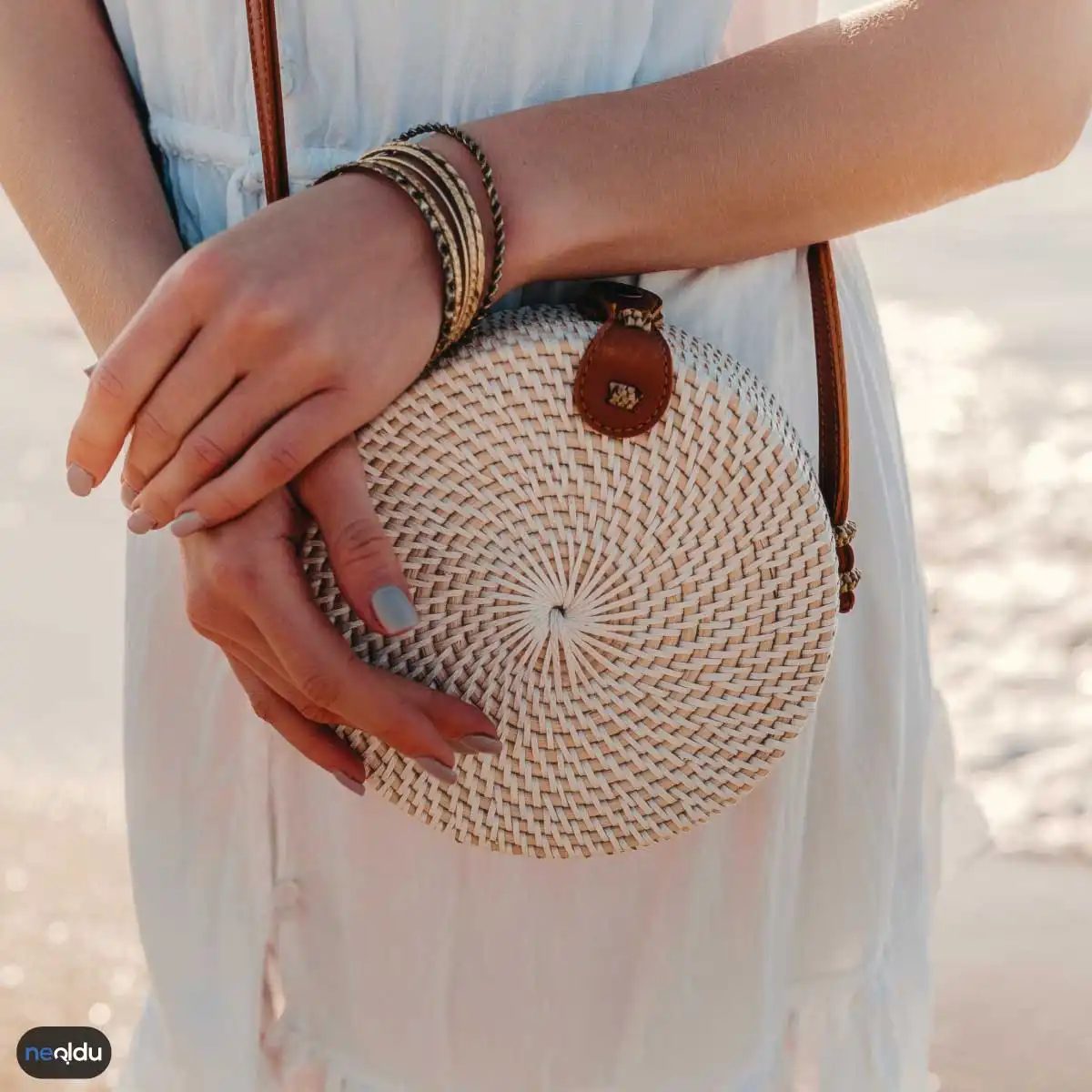
Summer is here, which means it’s time to revisit the accessory that refuses to stay in the sand. Straw bags. They’ve gone from niche beach essentials to mainstream fashion staples, and honestly? They’re not going anywhere. You see them on city streets, in coffee shops, and definitely on Instagram. But why did a woven basket become the ultimate style flex?
It’s simple. They’re practical. They’re light. And they look expensive without trying too hard.
We aren’t just talking about those floppy, oversized totes you carry to the coast anymore. The modern straw bag has evolved. It’s structured. It’s chic. It works with jeans and dresses alike. If you’ve been wondering how to integrate this trend into your everyday wardrobe without looking like you just stepped off a yacht, you’re in the right place. Let’s break down what makes the straw bag trend so resilient and how to actually wear it.
What Exactly Is the Straw Bag Trend?
At its core, the straw bag trend is about texture. In a world of smooth leather, sleek nylon, and shiny plastics, woven natural fibers offer something different. Something organic. The trend isn’t just about one specific brand or price point. It’s about the material itself—usually made from raffia, seagrass, or palm leaf.
This isn’t a fleeting fad either. Designers have been playing with woven textures for decades, but recently, it’s shifted from high-fashion runways to everyday retail. You can find them at luxury boutiques and high-street stores alike. The appeal? They bridge the gap between casual and polished.
“Straw bags offer a natural, effortless look that instantly elevates a simple outfit.”
Why Are They So Popular Right Now?
There are a few reasons this trend caught fire, and it’s not just because influencers said so.
- Versatility: A straw bag can travel with you from the office to dinner. Swap the white linen dress for black skinny jeans and a blazer, and the bag still works. It’s that adaptable.
- Sustainability Appeal: For many buyers, natural materials feel like a better choice than synthetic alternatives. It’s not a marketing gimmick; there’s a genuine desire for items that feel grounded and earthy.
- Weight: Let’s be real. Leather totes are heavy. Canvas bags sag. Straw bags hold their shape but don’t weigh you down. You can carry a book, a laptop, and your essentials without straining your shoulder.
How to Style Straw Bags for Different Occasions
You might be thinking, Does this bag only belong on the sand? No. Absolutely not. Here’s how to make it work in the city.
- The Weekend Brunch: Pair a structured, medium-sized straw tote with wide-leg trousers and a crisp white shirt. Add minimal gold jewelry. It’s clean, fresh, and looks like you planned it (even if you threw it on in five minutes).
- The Office: Look for a straw bag with leather handles or a more structured frame. Avoid the floppy, slouchy beach styles if you’re in a conservative workplace. A cross-body straw bag keeps your hands free and looks professional.
*

Why Straw Bags Are Replacing Totes in Everyday Style
You used to only see them by the pool. Now? They’re on subway platforms. The straw bag has quietly migrated from seasonal novelty to a year-round staple. It isn’t just about the aesthetic anymore. It’s about function meeting form in a way canvas totes never quite managed.
The appeal lies in the texture. Natural fibers bring warmth to an outfit that synthetic materials struggle to replicate. But don’t mistake “natural” for “fragile.” While they share a lineage with beach baskets, modern iterations are built for durability. We’re talking about sturdy weaves that can handle the daily grind without looking like they’re going through a meltdown.
The Practicality You Didn’t Know You Needed
Let’s talk mechanics. These bags are light. Surprisingly so. When you’re carrying a laptop, a water bottle, and whatever else life throws in your lap, weight matters. Straw bags distribute load better than rigid leather boxes or flimsy cloth sacks. They breathe. They hold their shape. And unlike those structured handbags that demand you shrink your life to fit inside them, straw bags often offer generous volume.
This versatility is why designers can’t ignore them. High-end runways and high-street racks alike are featuring wide-brimmed shapes and intricate weaves. The trend isn’t fleeting. It’s structural. Brands are experimenting with color-dyed straw, woven leather hybrids, and unconventional handles. The result? A bag that works for a board meeting and then, with zero effort, transitions to a weekend brunch.
Where to Wear Them Without Looking Like You’re On Vacation
The biggest misconception is that straw equals vacation mode. It doesn’t. The key is in the styling. A floppy, oversized basket bag screams resort. A structured, smaller straw crossbody screams city.
How to Style Straw Bags for Urban Settings
- The Structured Work Bag: Look for models with clean lines and perhaps a leather trim. Pair it with tailored trousers and a crisp white shirt. The contrast between the rugged texture and sharp tailoring creates interest without trying too hard.
- The Casual Weekend Tote: Go for the larger, slouchier versions. Throw on a linen dress or high-waisted jeans. This is for farmers markets and dog walks. It’s about comfort. It’s about having room for your reusable coffee cup and that impulse buy from the bakery.
- The Evening Crossbody: Smaller, tighter weaves often look more like jewelry than luggage. Use one with a slip dress or a simple jumpsuit. The texture adds depth to monochrome outfits.
Don’t overthink it. The goal is balance. If your outfit is heavily textured, keep the bag simple. If your clothes are sleek and minimal, let the bag be the statement piece.
Care Tips for Longevity
Straw is durable, but it’s not invincible. Water is the enemy. Humidity can cause warping. Mold is a risk if stored damp. Keep it dry. Store it in a cool, dark place. Stuff it with tissue paper to maintain shape when not in use. It’s low maintenance compared to suede, but it still demands a little respect. Treat it well, and it lasts for seasons. Ignore it, and you’ll be buying another one by next spring.
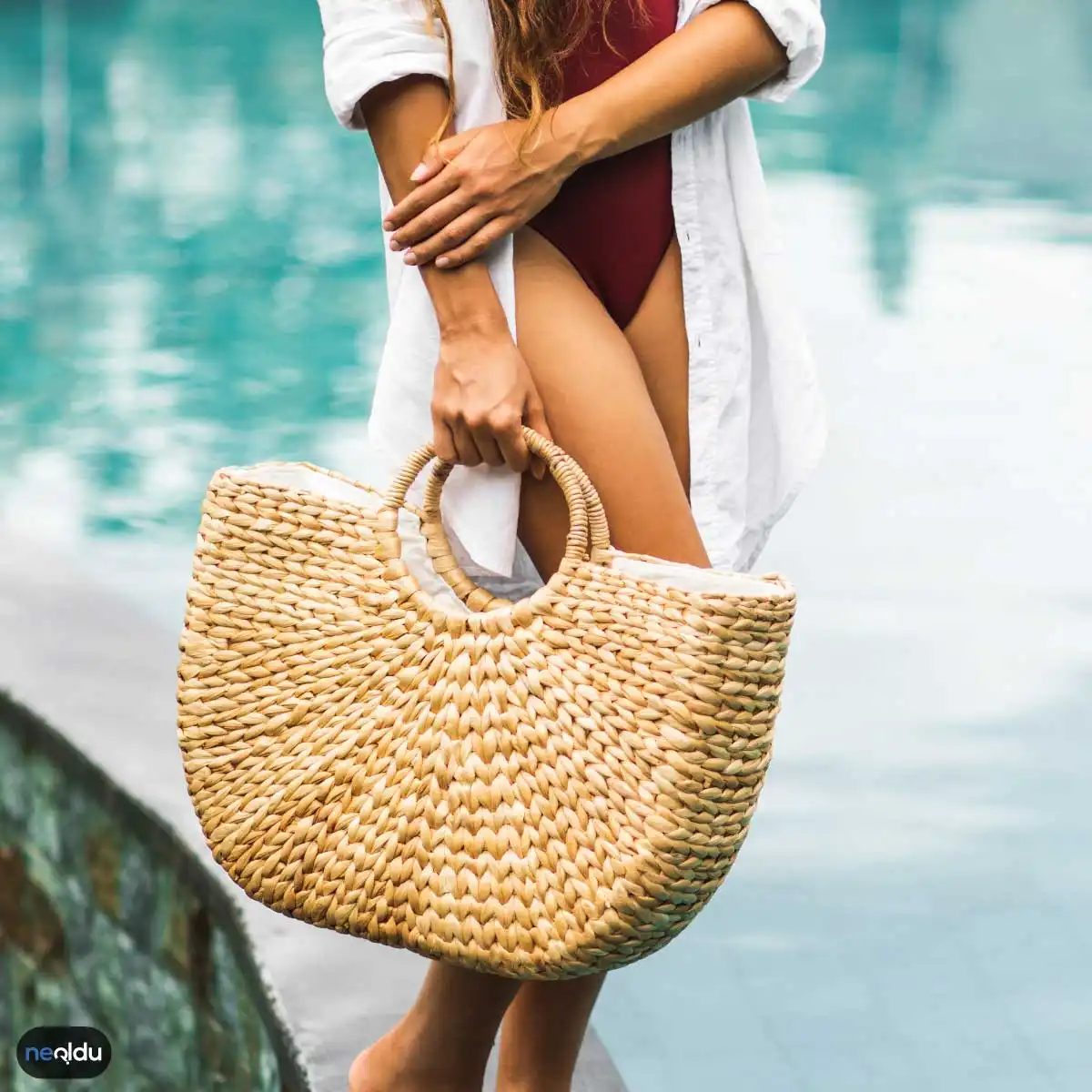
Neden Hasır Çantalar Sezonun En Pratik Seçimi Oldu?
Rattan, jüt veya kamış. Hangi malzeme olursa olsun, hasır çantalar artık sadece yaz kapağı değil. İçine istediğin her şeyi atabileceğin o geniş, nefes alan ve şıklık katan eşyalardan bahsediyoruz. Teknolojiyi bırakın, bu çantalar yüzyıllardır var ama şu an tam da zamanı.
Plajda Hayat Kurtaran Bir Aksesuar
Plaj çantası denince akla gelen ilk şey genelde o dev, yıkanır kumaş poşetlerdir. Onları unutun. Hasır çanta, hem görkemli durur hem de işlevselliğiyle ön plana çıkar.
Neden? Çünkü hafifler.
Kumun içinde kaybolan ağır çantalara ihtiyacınız yok. Havlu, güneş kreminiz, okuyacak bir kitap ve belki de akşam yemeği için değiştireceğiniz terliklerin hepsi sığar. Doğal dokusu, bikini veya pareo ile mükemmel uyum sağlar. Sadece bir taşıma aracı değil, tamamlayıcı bir stil unsuru.
Şehirde Günlük Kullanım: Sürpriz Bir Şıklık
Sokaklarda hasır çanta görmek eskiden “tatildeyim” demekti. Artık öyle değil. Şehir hayatına entegre oldular. Ofis çıkışı kahveye, akşamüstü yürüyüşüne ya da Cuma akşamı buluşmalarına.
Kullanışlı mı? Evet.
Şık mı? Kesinlikle.
Yaz aylarında kıyafetlerinizi tamamlayan, hava alan ve terletmeyen bir aksesuar arıyorsanız, işte cevap bu. Cüzdan, telefon, anahtar ve rujunuz için yeterli alana sahiptir. Aşırı yüklemeyin, ama günlük ihtiyaçlarınız için idealdir.
Seyahatte Taşınabilirlik Tuzağından Kurtulun
Valiziniz patlayacak mı diye endişelenmenize gerek kalmadan yanınıza alabileceğiniz bir çanta. Seyahat çantası olarak hasır model tercih etmek, özellikle yaz tatillerinde büyük avantaj sağlar.
Neden?
- Hafiflik: Çantanın kendi ağırlığı neredeyse yoktur. Bu, bütçenizin ağırlık sınırını zorlamadan daha fazla eşya almanızı sağlar.
- Genişlik: Katlanmış kıyafetler, şapkalar, hatta küçük bir şarj aleti rahatça sığar.
- Dayanıklılık: Doğal lifler, normal kullanım koşullarında oldukça dirençlidir.
Tatil boyunca yanınızda taşıyacağınız bu çanta, sadece bir araç değil, anı biriktirdiğiniz bir parça haline gelir.
Piknik İçin Doğal Bir Çözüm
Parkta, dere kenarında veya dağ tepesinde piknik yapmak için en pratik çözüm. Yiyecek ve içeceklerinizi koymak için

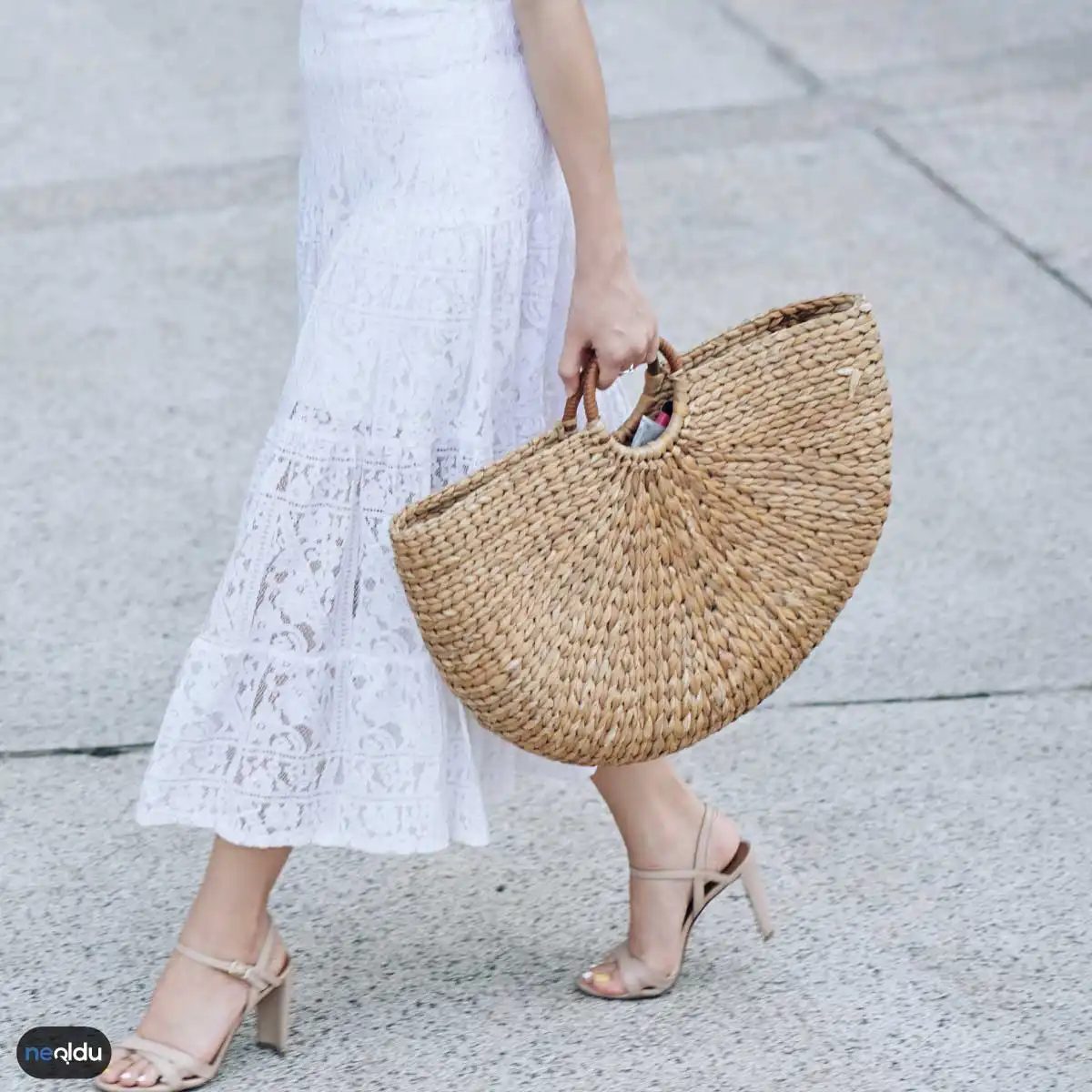
Why Rattan Bags Are a Sustainable Style Staple
Forget the flimsy plastic totes. Rattan bags are having a serious moment, and for good reason. They aren’t just a passing summer trend. They are functional, durable, and actually good for the planet. If you are looking for a sustainable straw bag option that doesn’t sacrifice style, this is your sign to pay attention.
Eco-Conscious Without the Compromise
The biggest draw? Material. Most of these bags are woven from natural fibers like water hyacinth, seagrass, or palm leaves. Unlike synthetic alternatives derived from petroleum, they biodegrade. They break down naturally. This makes them a smarter choice if you are trying to reduce your reliance on single-use plastics or clutter your closet with items that will sit in a landfill for centuries. It is a small shift, but it matters.
Light on the Shoulder, Heavy on Utility
There is nothing worse than hauling a heavy leather satchel around all day. Rattan bags change the game. They are incredibly lightweight. You can throw them over your shoulder without worrying about back strain or ruined posture. This makes them ideal for:
- Daily commutes where you need to move fast.
- Airport trips where every ounce counts.
- Spontaneous shopping sprees that expand quickly.
Even the large, slouchy styles hold a surprising amount. Your laptop, a change of clothes for the gym, maybe a book. They don’t bulge awkwardly. They just hold things.
Built to Last (If You Treat Them Right)
Don’t let the delicate look fool you. Properly woven natural fibers are surprisingly tough. A high-quality rattan bag can last for years, developing a nice patina over time. The key is maintenance. Keep them dry. Avoid heavy rain unless you have treated the bag with a water-resistant spray (which you should). Store them in a cool, dry place to prevent mold. With minimal effort, you get a companion piece that ages well, unlike cheap synthetics that crack or peel after a few seasons.
One Bag, Infinite Uses
Versatility is where these bags truly shine. They are not limited to beach days. Sure, they work perfectly as a beach tote for summer because they are breathable and easy to shake out sand from. But they transition seamlessly into other areas of your life.
- Grocery runs: The sturdy weave holds heavy items better than a fabric tote.
- Picnics: Adds a rustic, warm aesthetic to your outdoor spread.
- Home decor: An empty rattan bag on a shelf or floor adds texture and warmth to a room. It feels lived-in and inviting.
- Office to evening: A structured, smaller weave bag works in professional settings. Swap the strap, add some gold jewelry, and you are ready for dinner.
The range of designs is vast. You have everything from tiny, structured crossbodies to massive, slouchy hobo bags. Colors range from natural blonde to deep blacks and bright whites. There is a specific shape for every body type and style preference.
Why stick to one aesthetic when you can have a bag that adapts to your mood, your location, and your values? It is practical. It is honest. And it looks good doing it.

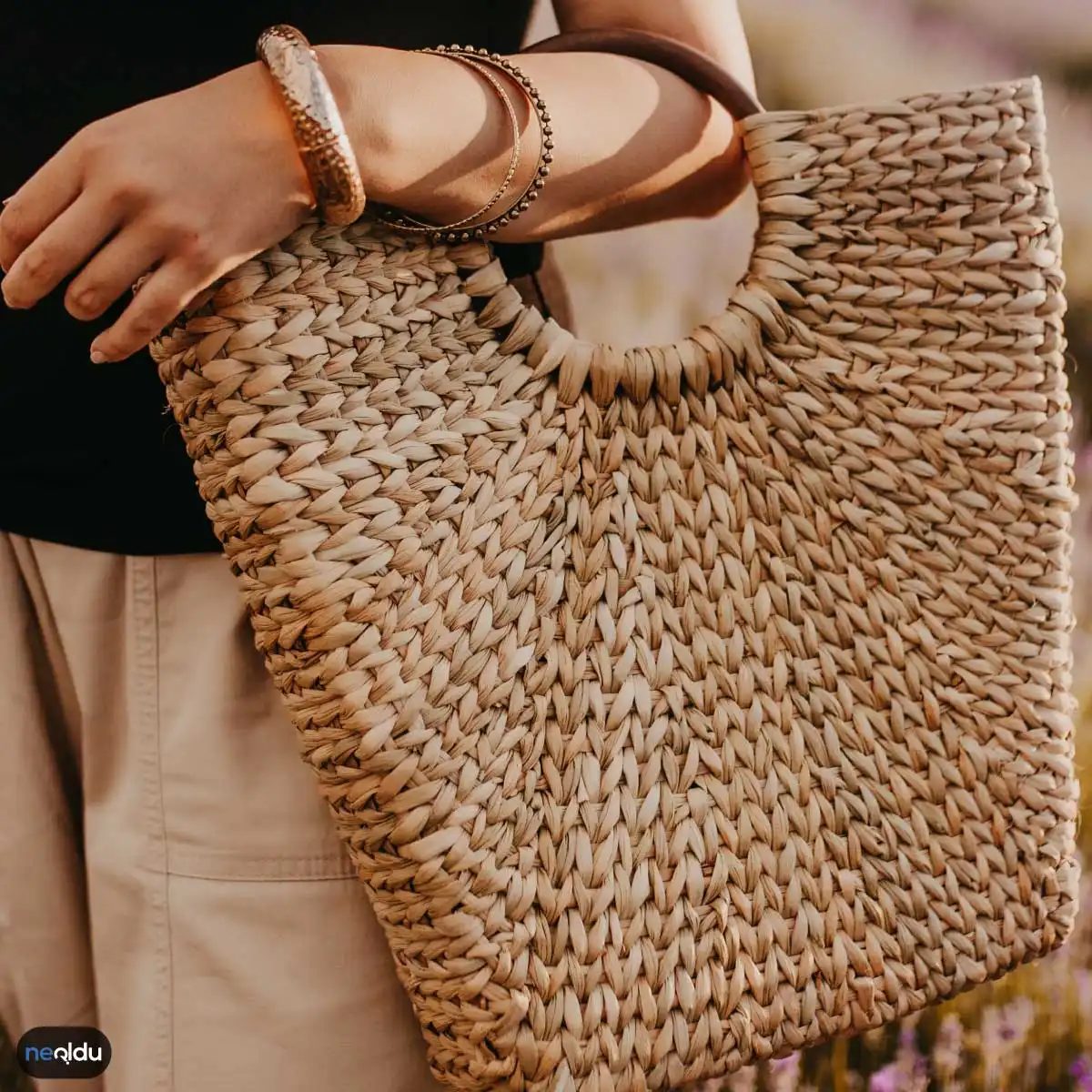
Straw bags are having a moment, but they demand a different kind of respect than your standard leather totes. Because they are crafted from natural fibers—palm, rattan, or seagrass—they are surprisingly tough, yet fragile if ignored. One wrong move with water or harsh chemicals, and you’re looking at a warped, discolored mess.
Here is exactly how to keep your straw bag care routine intact so your accessory lasts for years, not just one season.
Keep It Dry to Prevent Mold
Humidity is the enemy of natural fibers. If you live in a damp climate or just live in a world that sweats, your bag hates it. Mold doesn’t just look bad; it eats away at the structural integrity of the weave.
Don’t pack it in your bag if the weather forecast calls for rain. If you must use it, let it air out completely before storing. For storage, a dry, ventilated closet is your best friend. Toss a silica gel packet inside to soak up ambient moisture. Avoid plastic bins unless they are breathable; sealed plastic traps humidity and creates a greenhouse effect for mildew.
Dry Brush Only
Water shrinks straw. Detergent strips its natural oils. The golden rule of cleaning a woven bag is simple: use a dry brush.
Take a soft-bristled brush (an old toothbrush works in a pinch for tight weaves) and gently sweep the surface. This lifts dust, dirt, and lint without saturating the fibers. Brush in the direction of the weave to avoid fraying. It sounds too simple to be effective, but for surface grime, it is everything.
Skip the Chemical Cleaners
You might be tempted to grab a stain remover when red wine or makeup marks your bag. Don’t. Bleach and strong solvents will yellow the material and weaken the strands, making them snap under stress.
For stubborn spots, try a natural approach. A damp cloth with a tiny drop of mild soap can work for leather handles, but for the straw itself? Limitation is key. If you have an intractable mark, some suggest a gentle rub with lemon juice or a tiny bit of white vinegar on a cotton swab. Test on an inconspicuous area first. Color changes happen fast with natural dyes.
Store It Right
When the season turns, your bag needs a home. A dust bag is non-negotiable. It keeps light from fading the color and dust from settling into the crevices where it’s hard to brush out.
Fill the bag with acid-free tissue paper to help it hold its shape. Don’t hang it by the handle if the handle is woven straw; the weight can stretch or break the fibers. Lay it flat or stand it upright in a cool, dry drawer or shelf. Keep those silica gel packets nearby. They are cheap insurance against the slow, invisible damage of dampness.
Why Natural Materials Need More Attention
Synthetic materials are forgiving. You can wipe them down, toss them in the wash, or ignore them for months. Natural fibers are reactive. They breathe. They expand and contract with temperature and humidity.
This reactivity is why how to clean straw bags matters so much. It’s not just about aesthetics; it

What Are Straw Bags Actually Made Of?
It starts with the fiber. You’re looking at nature’s raw output. Bamboo. Rush. Raffia. Even linen. These aren’t just buzzwords; they are the actual plant-based threads woven into structure. That’s why a straw bag feels different in your hand than its synthetic cousin. It breathes. It has texture. It has weight, but not heaviness.
Where Can You Actually Use Them?
Don’t box them into just one category. Sure, the beach is the obvious choice. But think bigger.
- Travel: Lightweight and durable enough for a weekend getaway.
- Daily Commute: If your work environment isn’t rigid, it adds a relaxed polish to office wear.
- Everyday Carry: From farmers markets to gallery hops.
The versatility is the selling point. It looks effortless. That’s hard to fake, but easy to wear.
The Seasonal Question: Summer Only?
Technically, yes. They are quintessential warm-weather accessories. But fashion isn’t bound by thermometers. With the right pairing, straw survives spring and early autumn.
Pair it with linen trousers. Or a light wool coat. The contrast works. It breaks up the monotony of winter greys. Just keep the humidity in check. Moisture is the enemy.
How to Clean a Straw Bag (Without Ruining It)
This is where most people make mistakes. Do not use water. Do not use detergent. You will warp the weave. You will weaken the glue.
Instead, reach for a dry brush. Soft bristles. Sweep away the dust. The daily grime comes off easily.
Got a stubborn stain? Try a touch of natural bleach. Or lemon juice. Rub gently. Let it air dry. Never force it. The material is resilient, but it has limits.
Durability: Do They Last?
Natural materials are tough. Raffia, for instance, is surprisingly strong. Better than many plastics that crack after a year. But “strong” doesn’t mean “invincible.”
Neglect them, and they fray. Expose them to direct, harsh sunlight too long, and the color fades. Leave them in a damp car trunk, and mold sets in.
Protect them. Keep them dry. Store them in a cool, dark place when not in use. Treat them like leather, not plastic.
How to Style a Straw Bag
You don’t need a beach house to wear one.
The key is matching the vibe. Straw screams casual elegance. It pairs naturally with:
- Flowy summer dresses.
- Denim and a white tee.
- Linen suits.
But don’t stop there. In colder months, layer it. A chunky knit sweater against the smooth, woven texture of the bag creates an interesting tactile contrast. Match the tone. If your outfit is earthy, stick to natural straw colors. If you’re going for a pop of color, look for dyed raffia.
It’s about harmony. Not following rules. Breaking them slightly.
“Accessories shouldn’t shout. They should whisper what you’re trying to say.”
The straw bag says, “I’m here. I’m relaxed. I don’t need to try too hard.”
And maybe that’s the


