


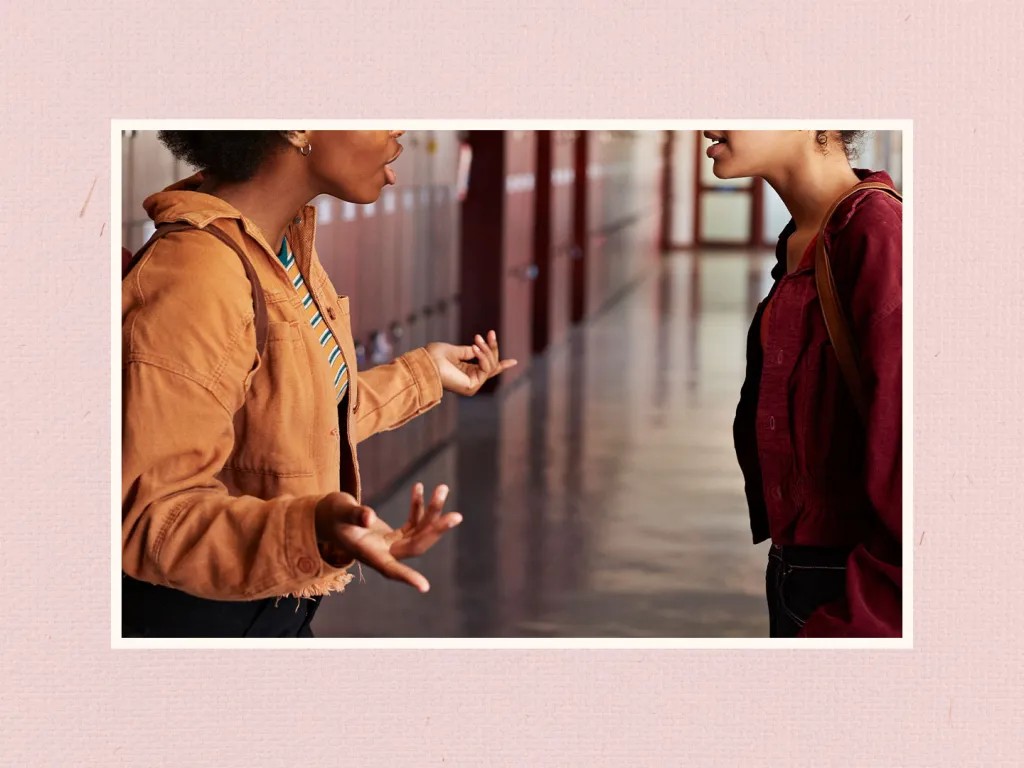
The story of a fractured friendship between two teenagers is not uncommon. What is unusual is how the fallout ripples through the adults involved, leaving a strange residue of connection where there once was shared experience. This is the story of how one high school friendship ended abruptly, and how the mothers of the girls involved navigated the aftermath.
The Silent Shift
The breakup wasn’t marked by dramatic fights or explosive arguments. It was a gradual fade, a quiet withdrawal. The author’s best friend, Brianna, began spending lunch breaks with a different crowd—the “popular” group—a subtle shift that signaled a changing social landscape. This wasn’t just a matter of adolescent cliques; it was a fundamental realignment of loyalties.
The author recalls the hurt, the anger, and the deliberate coldness that followed. Brianna’s attempts to reconnect were met with rejection, a testament to the raw intensity of teenage grudges. The details are specific: missed Christmas exchanges, a calculated refusal to acknowledge achievements, and an unspoken bitterness that lingered for years.
The Unexpected Constant: The Mothers’ Bond
While the friendship between the girls dissolved, an unlikely connection persisted—their mothers. Both women were high-achieving professionals who had stepped back from their careers to raise their daughters, forging a bond built on shared values and mutual respect. They carpooled, co-hosted events, and maintained a comfortable familiarity that outlived their daughters’ closeness.
This dynamic was perplexing to the author at the time. The idea that adults could maintain a relationship independent of their children’s was incomprehensible. The mothers’ continued friendship felt like a betrayal, a reminder of a loss that stung more deeply because it was normalized by the adults involved.
Perspective with Distance
Years later, the author re-examines the situation with newfound clarity. Brianna was grappling with serious, undisclosed health and personal issues, struggles the author was only vaguely aware of at the time. The realization dawns: the coldness the author projected was disproportionate to the reality of Brianna’s situation. The guilt is palpable.
The author acknowledges a missed opportunity for grace, for forgiveness, for understanding. The teenage grudge now appears petty in hindsight, a testament to immaturity and a failure to recognize the complexities of another person’s life.
A Lesson in Interdependence
The mothers’ friendship persisted because they were individuals with their own lives, separate from their daughters’ choices. As the author’s mother explains, adult friendships don’t always mirror the fluctuating dynamics of childhood bonds. This realization underscores a broader truth: relationships evolve, people change, and sometimes, the connections between adults can endure even when those between their children fade.
The experience highlights the importance of recognizing that parents are not extensions of their children’s lives, but individuals with their own histories, priorities, and friendships.
The author’s story is a reminder that growing up means accepting the messy, unpredictable nature of relationships, and that sometimes, the most painful lessons are learned long after the initial wounds have healed.


