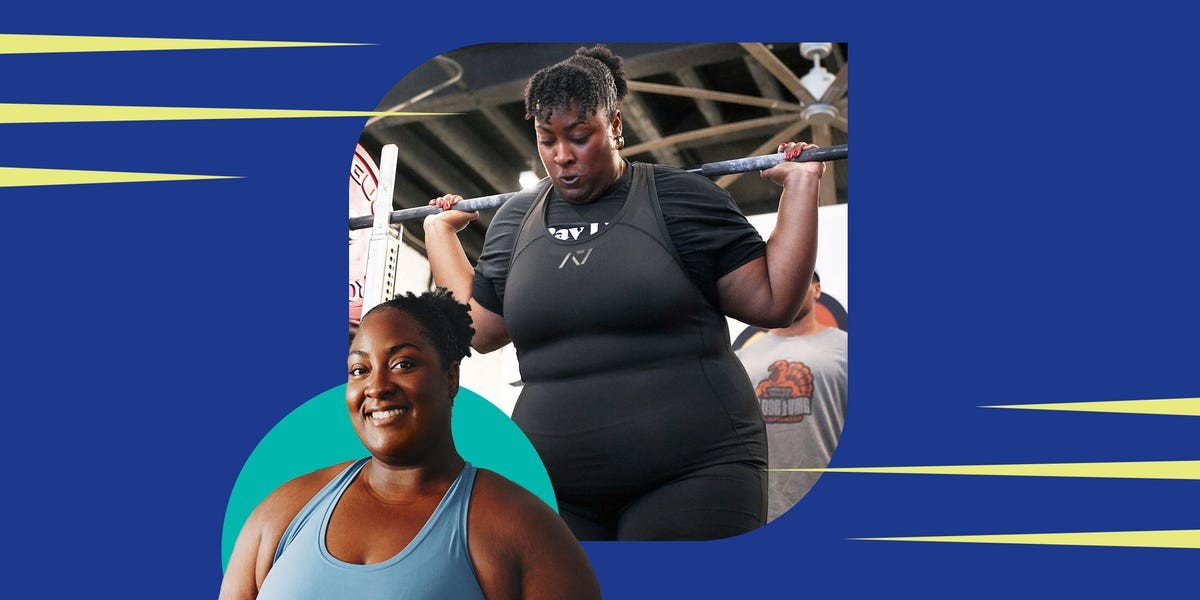
For many, the fitness world has historically been framed as a pursuit of shrinking, not strengthening. This narrow view can steal the joy from movement, reducing it to a relentless quest to “fix” one’s body. However, a growing movement is challenging this misconception, proving that fitness is about far more than just weight loss.
The Trap of Extreme Effort
Many start with the intention of losing weight, diving into unsustainable routines that prioritize quantity over quality. Pushing to exhaustion, often to the point of illness, can stall consistency and lead to a cycle of starting and stopping. The key isn’t to go harder but to work smarter.
The Power of Balanced Programming
Shifting to a structured, sustainable program can be transformative. Reducing training frequency from daily to three times per week may seem counterintuitive, but it allows for proper recovery and reduces the risk of burnout. The body thrives on balance, and consistent, moderate effort yields far better long-term results than sporadic extremes.
Beyond Physical Aesthetics
The benefits of fitness extend far beyond visual changes. Joint pain diminishes, sleep improves, and a newfound confidence emerges. This isn’t just about aesthetics; it’s about reclaiming agency over one’s body and feeling capable in everyday life.
Challenging Industry Norms
The fitness industry often perpetuates the idea that credibility comes with a specific body type. However, certified professionals exist in all sizes, and many people find comfort in working with trainers who understand their lived experiences. Body diversity isn’t just an ideal; it’s a necessity for inclusivity and accessibility.
Redefining Success: Internal Gains Matter
The most profound changes occur internally. Blood markers improve, chronic pain subsides, and strength increases. These gains may not always translate into dramatic physical transformations, but they are the foundation of long-term health and well-being.
The Misconceptions Persist
Despite credentials and experience, individuals in larger bodies often face skepticism within the fitness community. The assumption that they are beginners, or that their bodies should conform to a specific ideal, is a persistent barrier. However, true progress is about consistency and dedication, not arbitrary physical standards.
Fitness for Functionality, Not Just Aesthetics
The goal isn’t always about achieving a certain physique. For some, it’s about regaining the ability to perform simple tasks, like putting on socks while standing or navigating an airport without exhaustion. These functional goals are just as valid as any other, and they drive consistency in ways that purely aesthetic targets often fail to do.
Strength as a Cornerstone of Health
Strength training isn’t just about lifting weights; it’s about building resilience for life. It boosts brain health, strengthens bones, reduces arthritis pain, and regulates blood pressure. This is a practice that benefits people of all sizes, at all stages of life.
Ultimately, fitness should be about empowerment, not punishment. The journey is about respecting your body, moving it regularly, and nourishing it with intention. Outsiders will always have opinions, but the only validation that matters comes from within.