


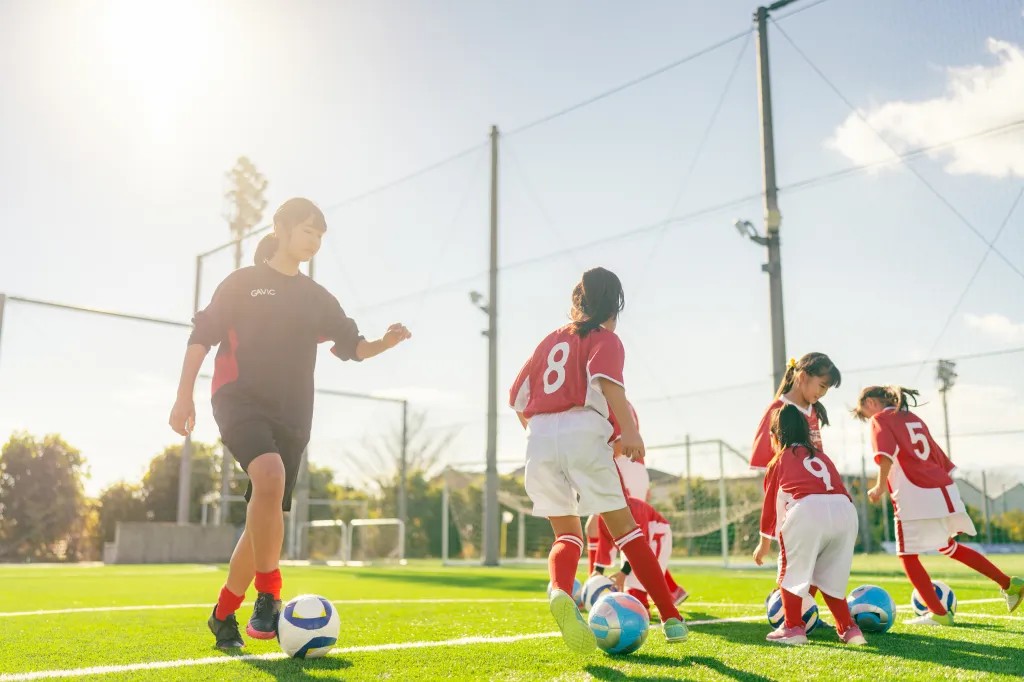
When discussing the primary influences on a child’s development, the conversation typically centers on parents and teachers. However, a massive, often overlooked network of mentors exists in the sidelines of playgrounds and sports fields: youth coaches.
Recent findings suggest that these figures are not just teaching physical skills; they are becoming essential pillars in the mental health support system for millions of children.
The Scale of Influence
The sheer reach of youth coaching in the United States is staggering. With approximately six million coaches interacting with roughly 38 million young people, youth sports represent one of the largest developmental frameworks in the country.
Because of this scale, the impact of a single coach is magnified. A positive mentor can foster resilience, while a poorly trained one can inadvertently contribute to stress. This reality has driven the Million Coaches Challenge, a national initiative launched in 2021 to transform coaching from a purely tactical role into a developmental one.
Shifting the Focus: From Winning to Well-being
The Million Coaches Challenge has already trained over one million coaches, focusing on a curriculum that prioritizes emotional intelligence over athletic dominance. The goal is to equip coaches with the ability to:
- Recognize warning signs: Identifying when a child may be struggling with anxiety, loneliness, or stress.
- Build confidence: Shifting the focus from perfectionism to effort and personal growth.
- Foster belonging: Creating inclusive environments where every child feels they have a place.
- Provide emotional support: Acting as a steady, trusted adult presence outside the home and classroom.
This shift is critical because, as rates of anxiety and stress rise among adolescents, supportive relationships serve as one of the most effective protective factors against mental health crises.
A Universal Lesson in Mentorship
While the initiative is rooted in sports, its core principles are universal. The “coaching” model—centered on relationship-building, empathy, and encouragement—is equally applicable to any structured environment where children gather. This includes:
- 🎭 Performing Arts: Theater and dance programs.
- 🤖 STEM & Clubs: Robotics, coding, or academic clubs.
- 🥋 Martial Arts & Gymnastics: Disciplined physical activities.
Regardless of the activity, the underlying need remains the same: children thrive when they have access to caring adults who value their growth as individuals rather than just their performance as participants.
How Parents and Communities Can Drive Change
The responsibility for fostering healthy environments does not rest solely on the coaches. Parents and community members can play an active role in this cultural shift:
- Inquire about training: Ask local sports leagues and clubs if their instructors receive training in youth development or mental health awareness.
- Advocate for growth-oriented cultures: Support programs that prioritize fun, skill-building, and inclusivity over a “win-at-all-costs” mentality.
- Step into leadership roles: Many community programs are in need of volunteers. Stepping into a coaching role—even as a beginner—allows parents to directly implement these positive values.
- Apply the principles at home: The skills taught in these programs—such as empathy and constructive encouragement—are powerful tools for any caregiver.
By training coaches to look beyond the scoreboard, we turn every practice and every game into an opportunity to build a more resilient generation.
Conclusion
Coaches are uniquely positioned to act as a frontline support system for youth mental health. By prioritizing emotional development alongside physical skill, we can ensure that organized activities serve as a sanctuary for growth rather than a source of undue pressure.


