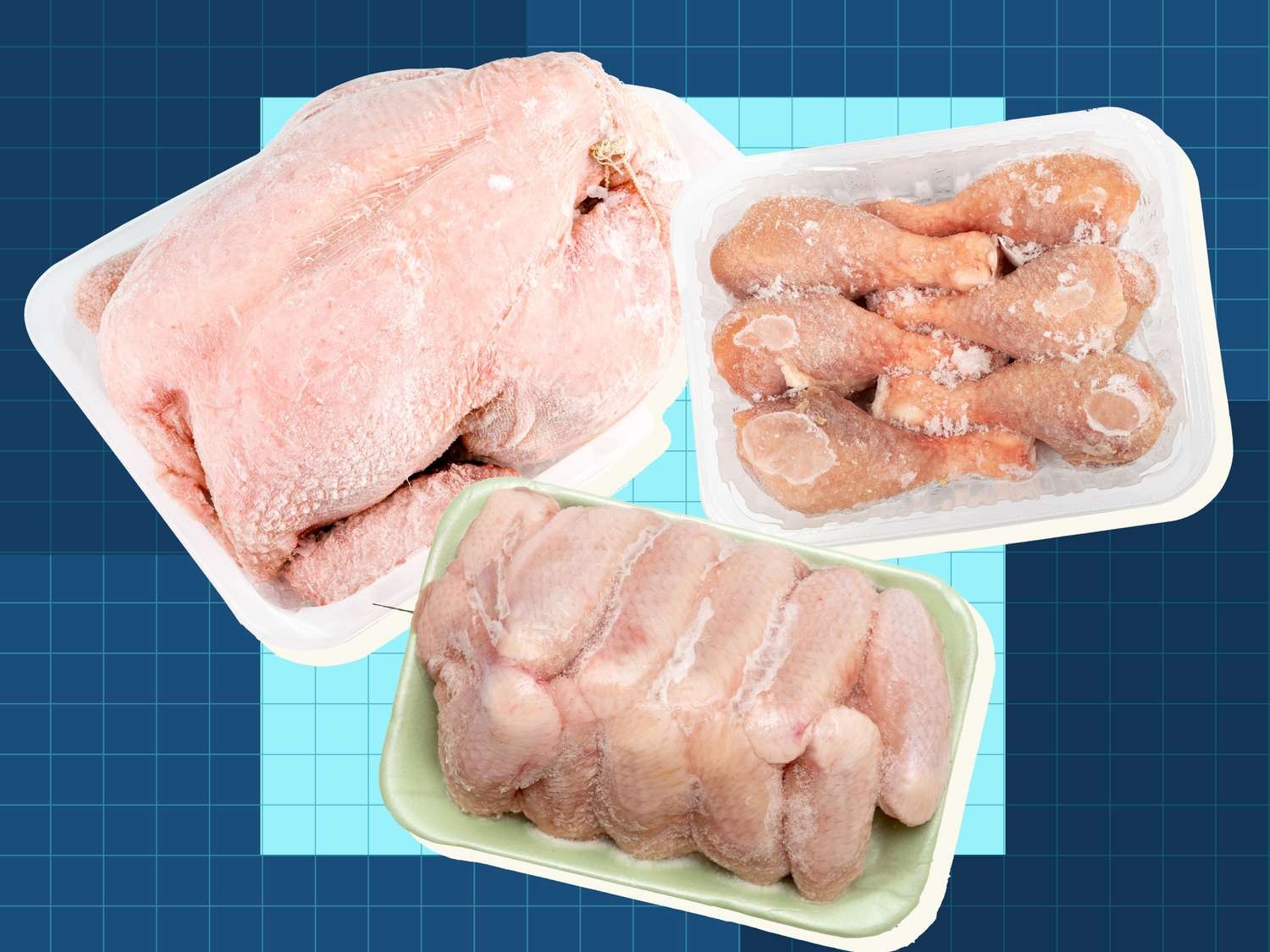
For anyone who’s ever forgotten to thaw chicken for dinner, the question of the quickest and safest method is critical. Recent testing, involving over 55 pounds of poultry, reveals the most efficient defrosting techniques. This isn’t just about speed; it’s about minimizing bacterial growth and avoiding foodborne illness.
Defrosting Times by Cut
Different cuts of chicken thaw at varying rates. Here’s a breakdown, based on experimental results:
- Drumsticks (2 pieces, 1/2 pound): 45 minutes. Smaller drumsticks defrosted in just 25 minutes.
- Wings (5 pieces, 1/2 pound): 1 hour, 5 minutes.
- Ground Chicken (1 pound): 1 hour, 15 minutes. Uneven thawing with a 10°F temperature difference between the center and edges was observed.
- Boneless Breasts (2 pieces, 1 pound): 1 hour.
- Bone-In, Skin-On Breasts (1 piece, 1 pound): 1 hour.
- Boneless Thighs (2 pieces, 1/2 pound): 1 hour, 9 minutes.
- Bone-In, Skin-On Thighs (6 pieces, 2 pounds): Less than 2 hours.
These times assume cold water defrosting; other methods vary.
The Running Water Myth
Many cooks use running cold water to speed up thawing. While faster than some methods (20 minutes to over an hour, depending on size), it’s wasteful: a leaky faucet drips over 3,000 gallons of water annually. This method also risks splashing contaminated water and generates significant noise (around 78 decibels, like a vacuum). Crucially, the thawing is uneven, with focused water flow thawing some areas faster than others.
Room Temperature: The Riskiest Option
The USDA advises against thawing chicken at room temperature. This is because prolonged exposure to warm temperatures encourages bacterial growth. While the tested chicken took only 2–4 hours to thaw in a 74°F kitchen, the surface temperature quickly entered the “danger zone” (above 40°F).
The danger isn’t just time: it’s the combination of time and temperature. The USDA recommends no more than two hours at room temperature (below 90°F) and one hour above that threshold. Forgetting about thawing chicken increases the risk, particularly for vulnerable populations (children, pregnant people, the elderly).
The Verdict: Cold Water is Best
The most efficient and safest method remains thawing in cold water. Keep the chicken sealed in a leakproof bag, changing the water every 30 minutes to maintain a consistent temperature. This method provides rapid defrosting while minimizing bacterial growth.
Defrosting chicken isn’t just about convenience; it’s about ensuring food safety. Prioritizing proper thawing techniques protects your health and prevents foodborne illness.