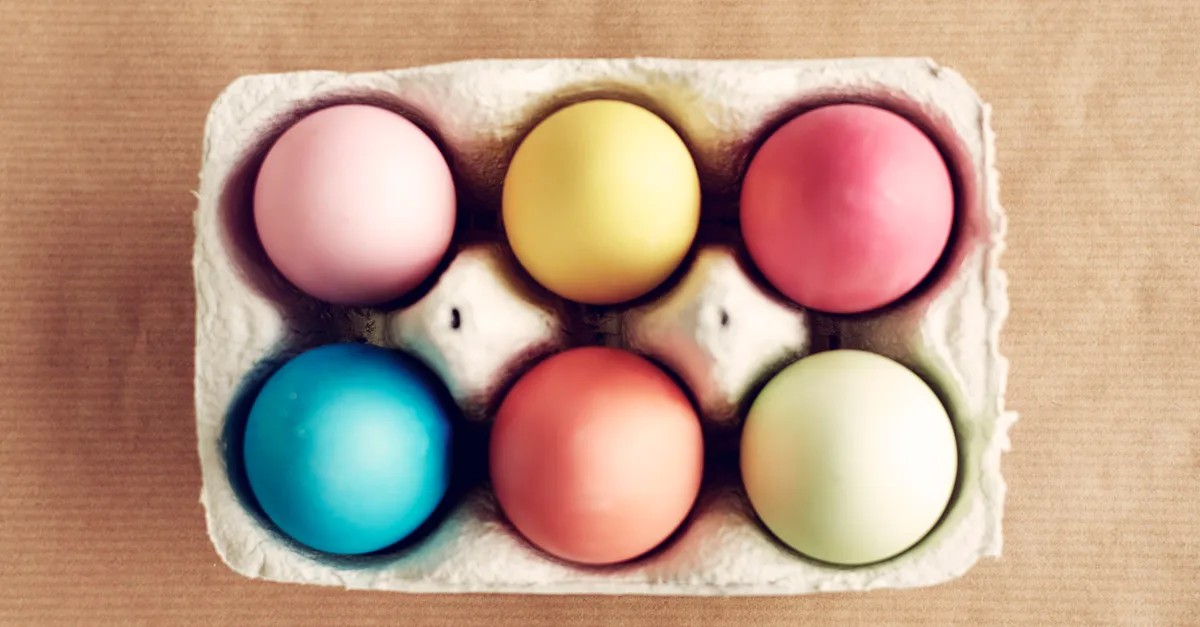
With an estimated 180 million eggs dyed and decorated by Americans every Easter, many families face the same dilemma: do you eat the colorful decorations, or do you throw them away? While it may feel wasteful to discard them, food safety must take priority over tradition.
To avoid the risk of Salmonella and other foodborne illnesses, it is essential to understand the rules regarding egg freshness, storage, and the safety of dyes.
The Foundation: Starting with Fresh Eggs
Safety begins before the boiling process even starts. To ensure you are working with high-quality eggs, use the “float test” :
– Place your eggs in a pot of water.
– Sinkers: These are fresh and safe to boil.
– Floaters: These should be discarded immediately.
Once boiled, keep in mind that hard-boiled eggs in their shells will last for one week in the refrigerator. However, if you peel them, the American Egg Board recommends eating them the same day to ensure peak quality. Note that while fresh eggs can be frozen (once removed from the shell), the Egg Board advises against freezing hard-boiled eggs, whether they are peeled or still in the shell.
The “Danger Zone” and Room Temperature Risks
The biggest risk factor during Easter festivities is how long eggs remain out of the refrigerator. Bacteria multiply rapidly when food sits in the “Danger Zone” —the temperature range between 40°F and 140°F.
The Two-Hour Rule: According to the USDA, any perishable food left out at room temperature for more than two hours should be discarded.
If you are using eggs as table centerpieces or hiding them for an Easter egg hunt, they are likely sitting in this danger zone. To prevent illness, do not eat eggs that have been left out for decoration or hunting. Instead, cook extra eggs specifically for consumption and keep them strictly refrigerated.
Dye Safety: What Is Inside the Shell?
A common misconception is that the dye only affects the exterior. While the shell acts as a barrier, certain factors can compromise the safety of the egg inside:
1. Cracked Shells
Never eat a decorated egg if the shell is cracked. A crack provides an entry point for bacteria and contaminants, especially if the egg has been handled extensively during a hunt or decoration process.
2. Non-Food Grade Dyes
In the age of social media, “DIY hacks” often suggest using household items like shaving cream to create textures. Never use non-food-grade chemicals or household products to dye eggs you intend to eat. Only use dyes specifically labeled as food coloring.
Summary of Best Practices
To ensure a safe holiday, follow these essential hygiene and storage guidelines:
- Hand Hygiene: Wash your hands thoroughly before and during every stage: cooking, cooling, dyeing, and hiding.
- Storage: If you aren’t dyeing eggs immediately after boiling, store them in their original cartons in the refrigerator.
- Selection: Never attempt to color or hide eggs that are already cracked.
- Separation: Treat decorative eggs and edible eggs as two different categories. If the decorative eggs have been sitting on a table for hours, they are no longer food.
Conclusion
While colorful Easter eggs are a beloved tradition, they can become a health hazard if left at room temperature or treated with non-food dyes. When in doubt, prioritize safety by discarding eggs that have been out of refrigeration for more than two hours or those with compromised shells.