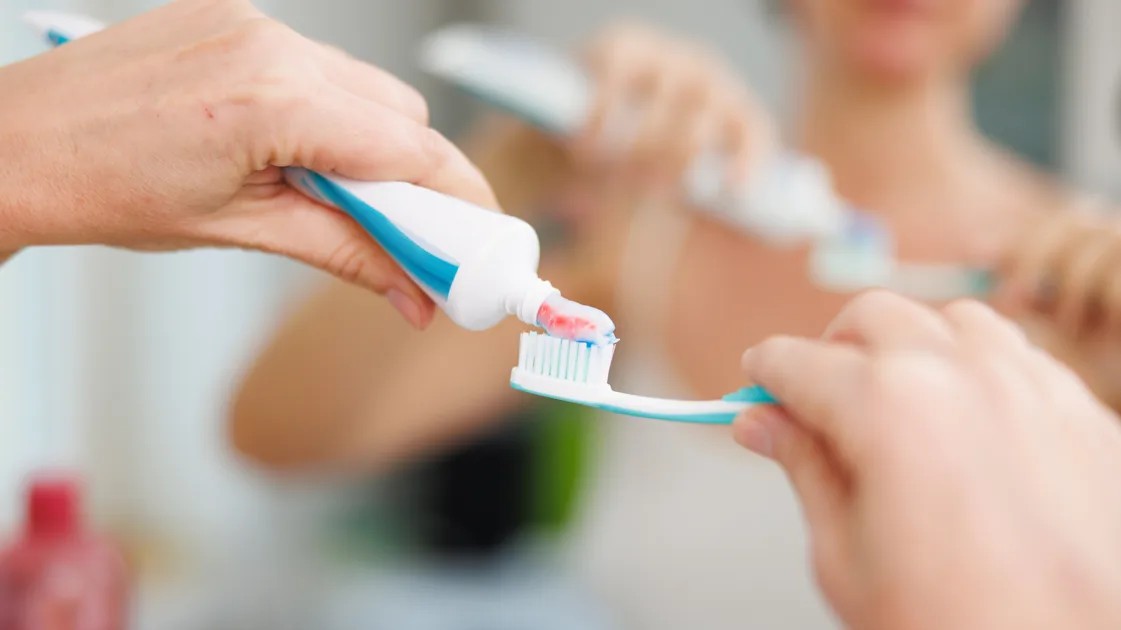
For anyone standing in the toothpaste aisle, overwhelmed by choices, here’s the key takeaway: fluoride is the single most important ingredient for healthy teeth. Despite recent controversies and misleading claims, decades of research confirm that fluoride effectively prevents cavities and strengthens tooth enamel. This isn’t about brand loyalty or trendy “natural” options – it’s about proven science.
Why Fluoride Matters
Fluoride is a naturally occurring mineral that actively remineralizes early enamel damage. This means it helps repair teeth at a microscopic level, strengthening them against acid attacks from food and bacteria. The American Academy of Pediatrics and the American Dental Association (ADA) both stand firmly behind its safety and efficacy when used as directed.
The controversy surrounding fluoride often stems from misinformation, particularly from figures like Robert F. Kennedy Jr., who have promoted unfounded claims about its health risks. However, peer-reviewed studies consistently demonstrate fluoride’s benefits when used properly.
How to Choose the Right Toothpaste
Dentists recommend selecting a toothpaste with fluoride and the ADA Seal of Acceptance. This seal guarantees the product has been tested for safety and effectiveness. Look for bullet points on the packaging confirming the toothpaste helps prevent tooth decay and reduce gingivitis – these indicate the presence of fluoride.
Don’t fall for marketing hype. While whitening toothpastes or charcoal formulas might sound appealing, they don’t replace the essential protection of fluoride. Some “natural” alternatives lack scientific backing and can even be harmful, causing allergic reactions or excessive wear on teeth.
Beyond Fluoride: Other Considerations
If you have specific dental concerns, such as sensitivity, look for toothpastes containing potassium nitrate. Whitening formulas often include mild abrasives, but dentists caution that these may increase sensitivity in some patients.
Some individuals – those at high risk of cavities or with severe dry mouth – may require prescription toothpaste, which your dentist can recommend.
The Bottom Line: Brushing Technique Over Brand
Ultimately, the quality of your brushing technique matters more than the brand of toothpaste you choose. Two minutes, twice a day, using proper form, is non-negotiable.
The best toothpaste is the one you’ll use consistently, but always prioritize fluoride and the ADA seal. Focus on established brands and avoid products with misleading marketing claims. Oral health is simple when you stick to the science.