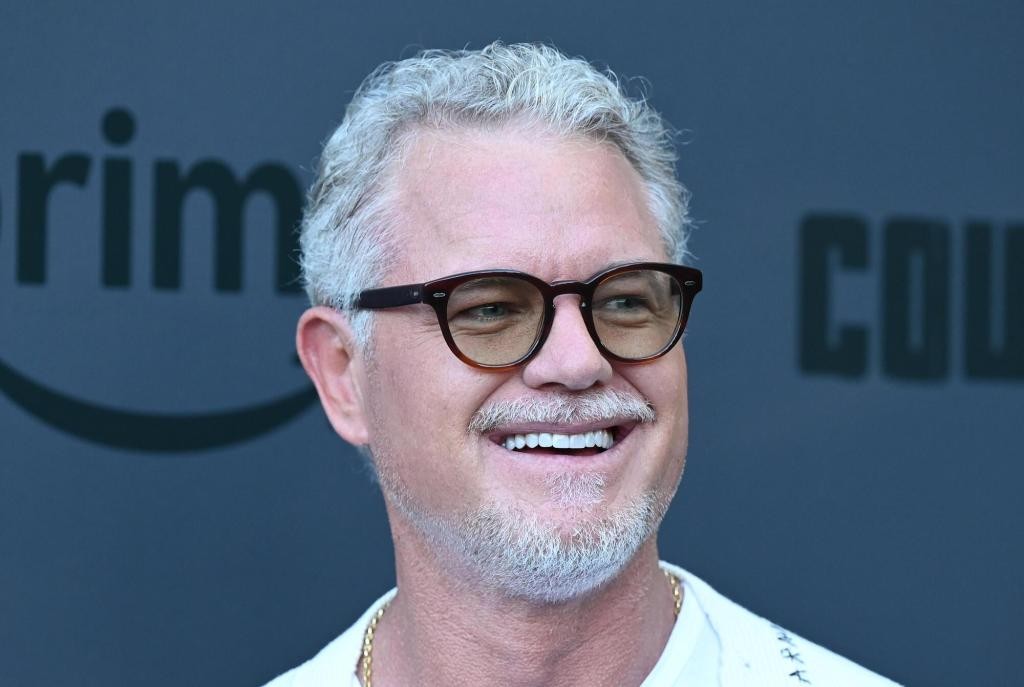
The recent GoFundMe campaign launched following the death of actor Eric Dane from ALS has sparked debate, but the situation highlights a growing trend: even high-earning Hollywood professionals can face financial hardship due to unforeseen circumstances. While the initial backlash is understandable – many assume actors earn enough to avoid needing crowdfunding – the reality is more complex, especially in the post-pandemic entertainment landscape.
The Changing Financial Landscape for Actors
Dane’s friend, Mike McGuiness, explained the necessity of the fundraiser bluntly: “Covid and ALS did a number on his work life, and he sadly couldn’t leave his family with the resources he had hoped.” This underscores how even established actors can struggle when illness and industry-wide disruptions hit simultaneously. The 2023 Hollywood strikes, combined with the ongoing impact of COVID-19 on production schedules, have left many performers with inconsistent income streams.
The financial burden of a severe illness like ALS is also staggering. As the ALS Association notes, in-home care alone can easily exceed $669,000 annually, not including medical equipment, prescriptions, or hospital stays. Dane’s wife, Rebecca Gayheart, revealed in The Cut that he required “24/7 nurses,” with shifts often left uncovered, forcing her to cover them personally.
The Backlash and Its Implications
The controversy surrounding Dane’s GoFundMe mirrors similar reactions to James Van Der Beek’s campaign last week, which also raised questions about the need for public donations from wealthy celebrities. This friction is understandable – fans are often uncomfortable contributing to those perceived as already privileged.
However, the outcry isn’t necessarily negative. The attention may drive donations to the ALS Association, supporting research into the disease that took Dane’s life. As of February 22, the campaign had raised $349,322, with notable contributions like $20,000 from Hailey Bieber.
Beyond the Individual Case
The situation reveals a broader issue: the traditional model of Hollywood income is becoming less reliable. Even actors who once enjoyed steady work may face unpredictable earnings due to industry changes and health crises. While Dane received support from peers like Johnny Depp, who offered free housing, this isn’t a sustainable solution for everyone.
The GoFundMe serves as a stark reminder that financial stability in Hollywood is no longer guaranteed, even for those who appear successful on the surface. The incident raises questions about how the industry can better protect its workers from economic fallout, especially when facing debilitating illnesses.
Ultimately, Eric Dane’s case underscores the precarious financial reality of modern Hollywood, where even established stars can find themselves in need of public support amid unforeseen adversity.