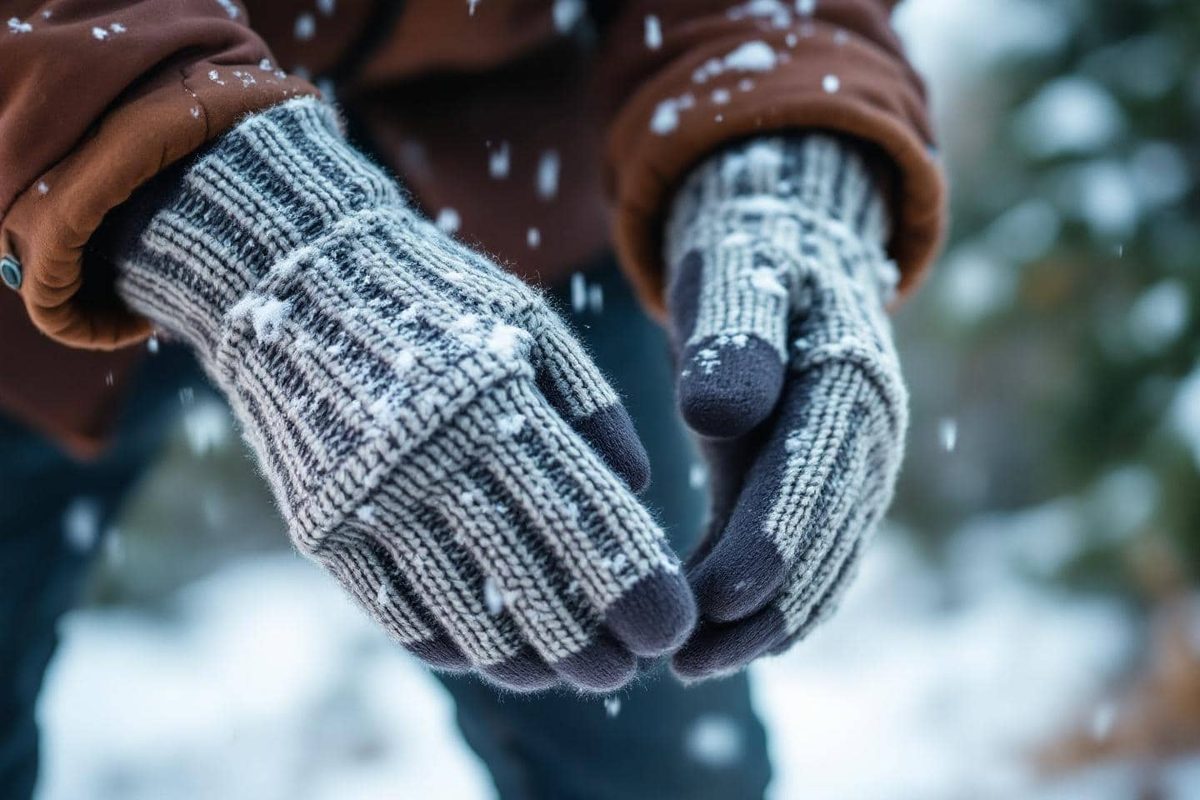
In December, hits differently. The sidewalk has turned to ice. Every trip feels like a mission every time I go out. Limbs no longer feel like just parts of the body, but they start to feel like sentinels on the front lines against the cold.
It’s that time of year again. Christmas markets. The first snow. Crisp mornings that bite. You may want to look good, but your feet? They’re suffering.
What if the solution isn’t $200 hi-tech gloves for your toes? What if it’s something older. Simpler. It’s more efficient.
We are talking about abandoning the synthetic traps and returning to the basics. Here is how to actually keep your feet warm, dry and pain-free when the temperature drops.
Why Your Extremities Freeze First
Your body is smart. It’s a heat-conserving machine. When the temperature drops, it diverts blood away from the fingers, toes, ears and nose to warm your core organs.
This is why these areas get frostbite first.
It usually starts small. Tingling sensation. Your toes feel like cardboard. Numbness sets in. If the numbness is ignored, it can turn into a throbbing pain. You might see red or purple patches. It’s not just uncomfortable. This is dangerous.
In severe cases, it can cause blisters and tissue necrosis. because the skin barrier breaks down, the risk of infection increases dramatically. But you don’t have to wait until the damage is done. You can prevent it.
The Trio That Ruins Your Day
Three factors make your feet miserable: cold, humidity, and sensitivity.
Not everyone faces the same risks. If you have poor circulation, thin skin or problems with your blood vessels, you are in the danger zone. Children are also at great risk. You’re too busy playing in the snow to notice that your toes are turning blue. Do adults even run out the front door wearing thick socks? There are also risks.
There are also some daily habits that can make the situation worse.
*Walking around in damp shoes.
* Standing still for too long.
* Wear shoes that are too tight.
Conversely, small adjustments help immensely. Wear appropriate shoes. If your socks get wet, change them. Loosen your shoelaces. Wiggle your toes. Yes, it is also possible when you are browsing ornaments at a market.
Forgotten secret: Natural materials
Before polyester blends and plastic-lined boots, our grandmothers trusted nature. They knew that keeping feet dry is more important than just keeping them “warm”.
Natural materials such as wool, thick cotton and linen regulate heat better than synthetic materials. They remove moisture from the skin. Synthetic material? They often trap sweat. You get that soggy, cold sensation that freezes you from the inside out.
Natural fibers allow the skin to breathe. No sweat microclimate is created inside the boots.
Here is the protocol to adopt before every outing.
- Wool or bamboo socks: Look for seamless options to prevent rubbing.
- Base layer: Add thin silk or cotton socks underneath for better thermal regulation.
- Waterproof and breathable shoes: Prevents water from entering from the outside and sweat from accumulating inside.
- Moisture control: If your feet sweat a lot, dust your shoes with clay or baking soda. Both are traditional, inexpensive and effective at absorbing excess moisture.
This is not magic. This is common sense. It’s like wearing a hand-knit sweater on your feet. Effective. Comforting. Reliable.
Gear Up or Freeze Up
To make it through December and January without flinching, you need the right weapons.
Thick merino wool socks are not negotiable. If you wear leggings, make sure the lining is made of natural fibers. Or wear a thin insulated liner under your main sock.
Layering techniques are the most effective. First apply a thin layer on the skin and then a thicker layer on top. This creates a buffer. The air trapped between the layers insulates your feet.
However, there is a catch. Shoes can be half a size too big.
Wearing thick wool socks with normal-sized shoes can restrict circulation. Circulation does not mean fever. Your feet will freeze faster. Give it room to breathe.
Stop using such “helpers”.
We’ve all seen them. Plastic boots retain heat, but do not breathe. Aluminum insoles reflect heat, but do not insulate. Apply adhesive heat packs to the feet.
Stop using it.
Cheap plastic boots will make you sweat. Moisture is trapped. My feet are wet. My wet feet froze. This is physics.
Even worse are synthetic socks that do not absorb moisture. They macerate the skin.
If you’re already used to the cold, the sudden heat from the chemical packages can damage your skin. You can burn even if you don’t feel it.
Let’s stick to the basics. villa. air. The room is inside the trunk.
It’s not about buying the most expensive gear. It’s all about understanding what your feet really need. dry. cycle. insulation.
Cold weather has nothing to do with fashion choices. It emphasizes physics.
So the next time it’s freezing, don’t just bundle up. to think Breathe. Keep it dry.
What should I do if my toes still hurt? It might be time to check your circulation. Or just come in and warm up. There is nothing shameful about this.
Damage repair: gentle and natural treatment for sensitive and cold feet
It doesn’t just protect your skin from the cold. The damage caused by it must be repaired. When the temperature drops, it puts a strain on your limbs. During recovery, most people make the mistake of opting for harsh treatments or ignoring the subtle signs of pain. Instead, look for three specific solutions that really work and don’t disturb your skin’s protective layer.
First up is Calendula Cream. It’s not just a fashion element. Calendula is deeply calming and refreshing. It moisturizes while putting out the “fire” caused by frostbite and severe dryness. Think of it as a reset button for irritated skin.
The other is fine lavender essential oil. However, there is a problem here. Never apply directly. Dilute a few drops with vegetable oil. Massage into the soles of the feet to promote blood circulation. It speeds up recovery by stimulating stagnant blood circulation.
Third, take a foot bath in warm water with Epsom salts. This reduces swelling and restores the skin’s natural softness. Here is an important rule. Never use hot water on numb or cold areas. Hot water touching cold skin can cause shock or burns. Warm water is the only safe option.
What your skin needs after exposure to cold weather
Most people take off their shoes in a hurry and forget about their feet. This is wrong. The skin experiences thermal shock. A special ritual is needed for recovery.
Dry your feet completely. Next, apply the rich cream. Look for formulas that contain shea butter, arnica oil, or sweet almond oil. Hydration is your strongest defense against future temperature changes. Dry, cracked skin cannot regulate heat effectively.
Take the time to do a simple self-massage. It’s not just about relaxing. Mechanically encourages blood to return to the surface. Prepare your feet for the next day’s exposure. If you skip this step, you will repeat the damage cycle.
Moisture, sweat and friction: the invisible enemy
Cold is only half the battle. The other side is moisture, which is often more dangerous. Whether it’s melting snow, rain, or your own sweat, moisture can disrupt your skin’s health. You can turn a simple walk into an epidermal marathon.
You can’t stop the weather. However, you can control what happens inside the shoes.
**Declares the fight against moisture without harming your skin. **
The solution lies in what you wear and how you store your gear.
- Use raw wool insoles. Wool provides insulation and at the same time absorbs moisture from the skin. Better than synthetic materials with excellent sweat wicking properties.
- Choose breathable membranes. When buying new shoes, prioritize breathable materials.
- Rotate your shoes. Allow at least 24 hours for each shoe to dry completely. Do not wear the same boots two days in a row in wet weather.
Practical tips to stay dry all day
Staying dry requires vigilance. Just wearing socks is not enough. You have to manage the environment inside them.
- Change socks mid-day. If you are hiking or commuting long distances, sweat may accumulate. Swap to a fresh, dry pair in the afternoon. This simple act prevents maceration.
**Check your shoes every morning. ** Run your hand inside. If there is any dampness, do not put them on. Use a dryer or newspapers to absorb moisture overnight.
** Air out your shoes immediately. Remove the insoles when you get home. Let the shoes breathe. It may seem like a lot, but it prevents bacteria and odors from forming.
* *** Stop soaking your feet.** Frequent foot baths soften the skin too much. Soft skin tears easily. This increases the risk of cracks and chilblains. Keep your skin firm and protected.
What to remember to never fear the frost again
Protective equipment is not the most expensive equipment to acquire. It’s all about consistency.
Priority should be given to natural materials. wool socks. Cotton mountain. Breathable leather. Feet must be cared for before, during and after exposure. And above all, you must banish moisture.
The recipe is simple:
- Wear warm, natural-material socks and tights.
- Keep your skin hydrated with rich creams.
- Keep your feet dry.
Follow these steps. Your feet will thank you. Chilblains will become a distant memory. The cold becomes manageable. Winter is no longer something to be tolerated, but something to really enjoy.