


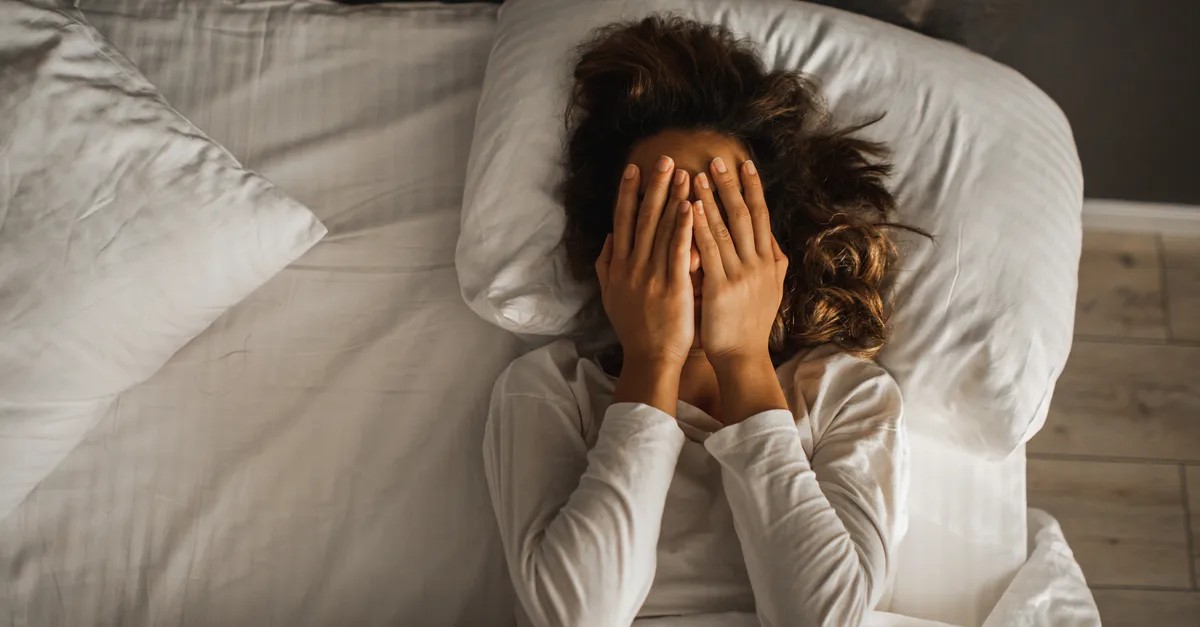
Stress. Anxiety. Noisy neighbors on the other side of the wall. A partner who hoards the duvet like their life depends on it.
The scroll of things that can wreck your rest is endless. No wonder an estimated 50 to 90 million adults in the United States have some kind of sleep disorder. That number is huge.
Most of us just chalk it up to “bad sleep.” We blame the late-night scroll or too much coffee. But what if the real issue isn’t the timing, but an undiagnosed medical condition? You might be sleeping, but your body is struggling.
Dr. Janice Johnston, co-founder of Redirect Health, puts it plainly: “Most people will realize their sleep was disrupted… but it’s often difficult to trace this… to symptoms such as congestion or pain.” You assume you’re just tired. You might actually be sick.
Here are eight specific signs that your sleep isn’t just restless—it’s a medical issue.
Gasping For Air: When Sleep Apnea Strikes
Waking up gasping is not normal. It’s rarely just “bad luck.”
The most common culprit is obstructive sleep apnea. This is a serious sleep disorder where breathing repeatedly stops and starts during rest. Dr. Zeeshan Khan explains the mechanics: “During sleep, the muscles relax and the throne narrows or closes off.”
When that airway blocks, your brain jolts you awake to breathe. You might not remember the event, but your body does. The result? Snoring, choking sounds, morning headaches, and a dry mouth.
But it’s not always apnea. Two other conditions can cause sudden gasps:
- Postnasal drip: Allergies or the common cold can send excess mucus down your throat, blocking airways temporarily. Hydration and mucolytics like Mucinex help thin that mucus.
- Acid reflux: Stomach acid creeping up into the esophagus can trigger a spasm or choking sensation. Sleeping on your left side or using a wedge pillow often reduces nighttime reflux.
If you’re gasping, see a doctor. They’ll likely order a sleep study to confirm if sleep apnea diagnosis is needed. Treatment usually involves a CPAP machine to keep that airway open.
Snoring That Isn’t Just Annoying
We’ve all dealt with a loud snorer. But when snoring comes with shortness of breath, heavy sweating, or waking up congested, it’s a red flag.
Snoring happens when tissue vibrates in a narrowed airway. It can be caused by colds, allergies, or extra weight. However, if you also have gasping episodes, how to identify sleep apnea symptoms becomes critical.
If the sleep study rules out apnea, the fixes are simpler:
1. Sleep on your side.
2. Elevate the head of the bed.
3. Try nasal strips or sprays to open passages.
4. Use an oral appliance to keep the jaw forward.
Don’t ignore the noise. It’s often a warning sign of a deeper structural issue.
Sleepwalking and Parasomnias
Sleepwalking isn’t just for movies. It’s a parasomnia—a disorder where you perform actions during deep, non-REM sleep while partially awake.
It can be triggered by simple things like sleep deprivation, high fever, or extreme stress. Certain medications also play a role, including sedatives and psychiatric drugs. Alcohol? Also a major factor.
Dr. Khan notes that during these episodes, the brain is in a weird state between sleep and wakefulness. If this is happening to you or someone you know, a sleep specialist needs to review your history and order a study.
Prevention is key here:
* Avoid triggers like alcohol and stress.
* Ensure you are getting enough rest.
* Some specialists suggest waking the person gently about 15 minutes before they usually walk, to reset their cycle.
Sleep Talking: More Than Just Dreams
Sleep talking (somniloquy) is common. It often happens alongside nightmares or sleepwalking. But when does it cross the line from quirky to concerning?
It’s often linked to emotional stress, mental health conditions, or substance misuse. Dr. Johnston points out that these health conditions can lead to hallucinations or extreme mood swings.
If you’re shouting, arguing, or having detailed conversations while asleep, take note. It could be a sign of:
* PTSD-related nightmares.
* Medication side effects (especially antidepressants or sleep aids).
* High levels of anxiety.
If the talking is frequent or alarming, consult a specialist. They may adjust your medications or help you manage underlying stress.
Chronic Nightmares and Mental Health
Nightmares happen. Everyone has had a bad dream. But when nightmares become a chronic pattern, the consequences are severe.
“The most common triggers are anxiety and depression,” says Johnston. PTSD is another major cause. Disrupted sleep schedules can make them worse too.
The risk isn’t just bad mornings. Johnston warns of “extreme adverse health effects,” including increased risks of heart disease, obesity, and even suicide. This isn’t something to “tough out.”
Effective treatments exist:
* Imagery Rehearsal Therapy: You rewrite the ending of your nightmare while awake, then practice visualizing that new ending before bed. This is particularly effective for PTSD-related nightmares.
* Medication Adjustments: Sometimes, changing the dose of a current prescription stops the night terrors.
* Stress Management: Therapy and time-management skills can reduce the anxiety fueling the dreams.
Waking Up to Pee (Nocturia)
Waking up once to pee? Common. Waking up multiple times? Not great.
Nocturia, or frequent nighttime urination, increases with age. But it’s not just age. It can signal:
* Diabetes.
* Urinary tract infections.
* Enlarged prostate.
* Kidney failure.
* Overactive bladder.
Dr. Johnston suggests a first step: Keep a bladder diary. For a few days, record how much you drink, when you go, and roughly how much you void. Include any medications or symptoms.
If you’re drinking too much before bed, cut back. But if the frequency continues, your doctor can prescribe anticholinergic drugs or treat the underlying infection. Don’t assume it’s just “getting older.”
Teeth Grinding (Sleep Bruxism)
Do you wake up with a headache? Sore jaw? Or a dentist telling you your enamel is worn down?
You might be sleep bruxism —clenching or grinding your teeth while asleep. The Mayo Clinic notes that people who grind teeth often have other sleep disorders like apnea or snoring.
Why does it happen? Stress and anxiety are common culprits. But Johnston notes it’s often due to an abnormal bite or jaw alignment.
Treatment usually involves a custom-fitted mouth guard from your dentist. It doesn’t fix the cause, but it protects your teeth from irreversible damage. Address the stress or orthodontic issues separately, but get the guard now.
Falling Asleep Instantly?
Think falling asleep instantly is a superpower? Not if it’s due to exhaustion.
If you’re sleeping less than 7 to 9 hours and hitting the pillow like a brick, your body is starving for rest. This isn’t healthy sleep onset; it’s sleep deprivation.
Watch for these other signs:
* Excessive daytime sleepiness.
* Trouble focusing on simple tasks.
* Dozing off while watching TV or, worse, driving.
* Difficulty regulating emotions.
If this sounds familiar, use the Epworth Sleepiness Scale online to gauge the severity. But more importantly, see a sleep specialist.
Instant sleep can also signal narcolepsy, a neurological disorder. Dr. Khan explains it involves a loss of a neurotransmitter (hypocretin) that regulates wakefulness.
Symptoms include:
* Sleep attacks (falling asleep unexpectedly).
* Cataplexy (sudden muscle weakness triggered by emotion).
* Disrupted night sleep.
If you suspect narcolepsy or severe apnea, you need a study. Medications can help manage narcolepsy, keeping you awake and functional during the day.
Eating in Your Sleep
This is rare but serious. Sleep-Related Eating Disorders (SRED) involve consuming food while fully unconscious.
Common triggers include sleep aids like Ambien or Lunesta. It can also happen alongside Restless Legs Syndrome.
The dangers are real:
* Weight gain.
* Fatigue and depression.
* Physical injury (cuts or burns while cooking).
* Poisoning from eating non-food items.
If your SRED is drug-induced, stop or switch the medication under doctor supervision. If it’s not drugs, you need to childproof your kitchen. Lock the fridge and cupboards. Move furniture that could cause tripping. Set an alarm on the bedroom door.
It’s not just weird; it’s dangerous.
Monitoring Yourself When You Live Alone
You don’t have a partner to nudge you and say, “Hey, you were screaming again.” How do you track this stuff solo?
Dr. Thomas Hammond notes that subtle clues can appear in your environment. Is your house disheveled? Is there food missing from the fridge? These are clues.
You can also use technology. While not diagnostic, consumer devices can provide data for your doctor:
- Bedside monitors: Track breathing and body movement. Some even log room temperature and noise.
- Under-mattress sensors: Measure heart rate and movement. Irregular heart rates here can point to thyroid issues or high stress.
Collect data for two to three weeks. Bring it to your appointment.
These devices won’t give you a clinical diagnosis. They won’t tell you what you have. But they can show that something is wrong. And that’s often the first step toward getting the help you actually need.
Your sleep should be restorative, not a source of medical mystery. If you’re waking up tired, gasping, or confused, stop scrolling and start looking. The answers might be written in your body.


