


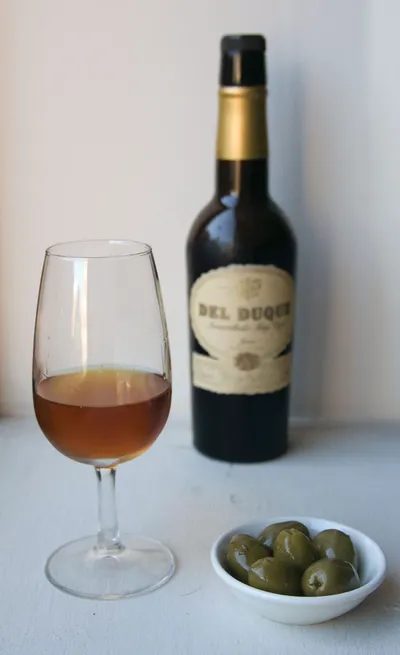
There is a specific kind of nutty flavor you get from sherry. It is not accidental. It comes from a fortified wine with roots in Spain’s Andalusia region. The name itself is just an Anglicization of Jerez de la Frontera. You might see it written as Jerez-Xérès-Sherry on the label. That is the clue. It tells you exactly where this stuff comes from.
The producers in Spain want that name reserved for their wine. They have tried to keep the designation exclusive. But you can find similar fortified wines in Cyprus. South Africa produces them. So does Australia. The United States makes them too. If you want the real deal, you look for the Jerez DO seal. That stands for Denominacion de Origen. It is the official demarcation of the sherry region.
The Soil and the Yeast That Define Sherry
The geography matters. The region sits on the southwestern coast. Sanlúcar de Barrameda is part of it. El Puerto de Santa María is in there too. The soil is limestone-rich. It is chalky. The locals call it albariza. This dirt helps the native grapes grow. Palomino is the big one. Pedro Ximénez is another.
The process is weird. And cool. It involves something called flor. This is a mildewlike yeast. It forms on top of the wine. It needs a little bit of air after fermentation. That exposure creates the distinctive taste. It gives sherry its signature character. Without flor, you just have sweet wine. With it, you have sherry.
How the Solera System Works
Most wines are bottled by the year. Sherry blends vintages. It uses a method called the solera system. Think of it like a ladder of barrels. There are three to eight tiers. The oldest wine sits on the bottom. Younger wine sits above it.
When you draw wine from the bottom tier, you replace it with wine from the tier above. Then you refill the second tier with younger wine from the third tier. It keeps going up. The system matures younger wines. It freshens older wines. It creates historical continuity. The consistency is key. The date on your bottle? It is the year that specific solera began. Not the year of the grapes.
Every bottle is fortified after fermentation. High-proof brandy is added. The alcohol hits about 16 to 18 percent. The exact number depends on the style.
Which Sherry Style Is Right for You?
The styles range from dry to sweet. The order goes like this:
– Fino
– Manzanilla
– Amontillado
– Oloroso
– Cream
– Pedro Ximénez
The paler sherries are usually drier. They come from Palomino grapes. The darker, sweeter ones use Pedro Ximénez. Sometimes Muscat grapes show up too. If you like your wine dry, start with a fino. If you want something that tastes like caramel, go for Pedro Ximénez.
“Essential is the action of flor, mildewlike yeasts encouraged by a slight exposure to air after fermentation, which imparts the characteristic nutty flavour.”
This is not just history. It is chemistry. The yeast eats the sugar. It leaves behind those nutty notes. You can taste the soil in the albariza. You can taste the age in the solera. It is a complicated process for a bottle on a shelf. But the result is distinct.
Why do we care about the region so much? Because the soil and the air are unique. You cannot replicate albariza soil in California. You cannot copy that coastal breeze in Australia. The name sherry


