


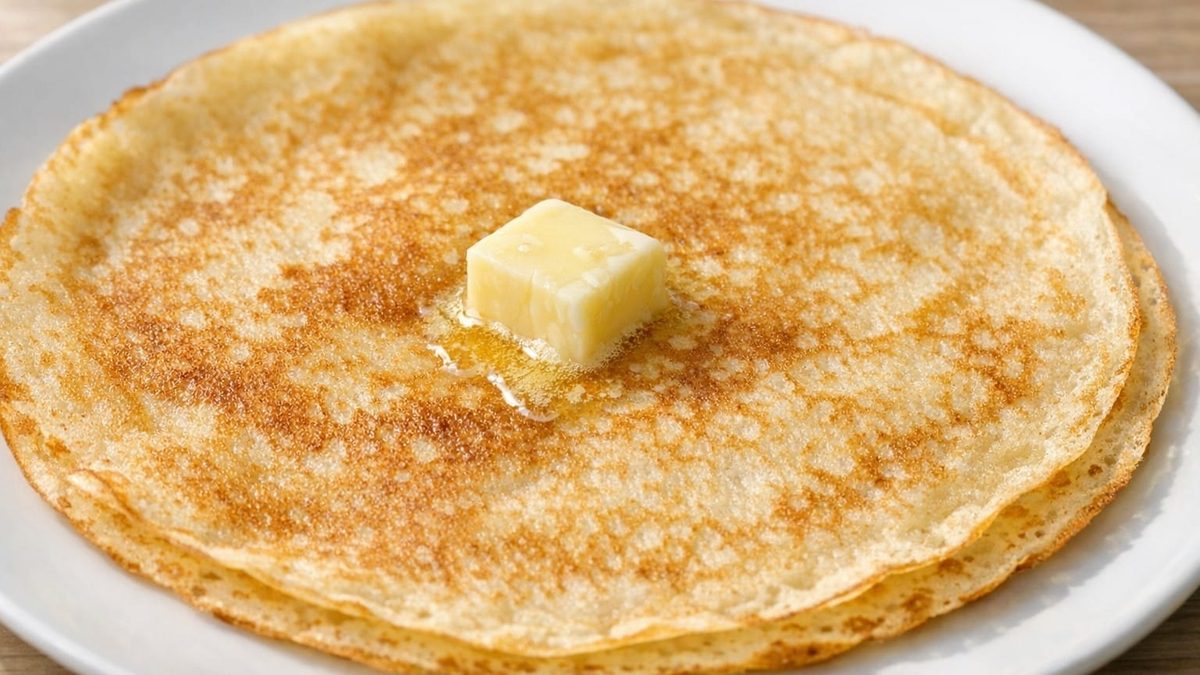
It slipped past the filter. A lazy Sunday morning, a distracted hand, and suddenly two tablespoons of wet coffee grounds fell straight into the batter. The logical move would have been to dump it, wash the bowl, and start over. I didn’t. I was too tired, too curious, or maybe just too cheap to waste the effort. The batter stayed.
The result? The kids finished their plates before the coffee even cooled. They didn’t ask for seconds out of politeness. They asked for the recipe.
This wasn’t a happy accident. It was chemistry. And it’s worth replicating without the mess.
Why Discarded Grounds Have Depth
We toss coffee grounds every morning. It’s a habit so deep we don’t question it. But those grounds aren’t inert trash. They are cellulose, natural oils, antioxidants, and residual caffeine. They still have something to say.
In a crepe, the grounds don’t make it taste like a cup of joe. They add bitterness. Not a sharp, acidic bite. A structural bitterness. Think of it like dark chocolate.
Bitterness, when controlled, adds structure. It prevents sweetness from becoming cloying. It creates depth.
The flour and milk in the batter absorb that edge. They round it out. You stop tasting “coffee” and start tasting something complex. Something that makes you want another crepe.
Chefs know this. They use coffee grounds to boost chocolate flavors in brownies and truffles. The grounds amplify the cocoa. A crepe is a neutral canvas. It handles the boost better than you’d expect.
The Umami Factor Kids Actually Get
Kids didn’t say “that’s bitter.” They said “that’s good.”
This isn’t just about sugar. It’s about umami. The fifth taste. It’s not salty or sweet. It’s savory. It’s the sensation of fullness. It’s the feeling that a meal is complete.
Coffee grounds, especially from a long extraction, contain compounds that trigger this. They add body to the mouthfeel. The texture lingers. It’s not the caffeine hitting you. It’s the richness staying behind.
Adults often reject coffee-infused food at first. We’re wired to expect a drink, not a solid. Kids aren’t. They taste the depth immediately. They don’t know why it’s different. They just know they want more.
How to Make This Without Accidents
You don’t need luck. You need ratio and timing.
The Ratio: Two heaped tablespoons of fresh grounds per 250g of flour. That’s the sweet spot. Too much, and it turns medicinal. Too little, and it’s invisible.
Freshness Matters: Use grounds from that day’s brew. Dried grounds stored for days turn rancid. They lose their brightness. They smell like stale dust. Fresh wet grounds are key.
The Method: Mix them directly into the liquid batter. Do this when you add your fat. Let it rest for 30 minutes at room temperature.
This resting period isn’t just for the gluten to relax. It’s for the grounds to rehydrate. They need time to release their aromas evenly throughout the batter. If you stir them in at the last second, you get pockets of intense bitterness. Resting ensures uniform flavor.
Texture and Toppings
Watch the color. The crepes will turn a shade darker. Golden brown, almost hazelnut.
The grounds create micro-crisp spots on the surface. It breaks up the smoothness. It adds a slight crunch that standard crepes lack.
What to Serve With It:
- Butter and Honey: The salt cuts the bitterness. The honey bridges the gap. It works perfectly.
- Crème Fraîche and Dark Chocolate: Richer. Heavier. A proper indulgence.
- Berry Compote or Apple Sauce: The acidity cuts through the earthy notes. It balances the meal.
Avoid heavily sugared jams. They will drown out the nuance. You want to taste the coffee’s depth, not just sugar.
The goal isn’t to mask the flavor. It’s to let it sit in the background. A whisper of roast. A hint of earth. The kind of flavor that makes you pause mid-bite.
Most people throw away 6 million tons of coffee waste yearly. Why? Because we’ve forgotten how to read the residue. Your morning brew is a flavor bomb. Your children’s empty plates prove it.
Next time you make coffee, save the dregs. Don’t compost them. Cook with them.
Why chefs are finally turning coffee grounds into dinner
The zero-waste movement got its first big win for coffee scraps before the pandemic hit. It started in gardens and skincare routines. Now, the kitchen is catching up. A new wave of interest is here, driven by chefs who refuse to throw away a single grain.
Take Nabil Zemmouri. His TikTok video on the subject racked up over a million views. He isn’t alone. Chefs everywhere are revaluing this leftover resource.
The numbers behind the grind are staggering. Coffee grounds are the largest byproduct of coffee production. After the infusion step, about six million tons are produced annually worldwide. That’s biomass equivalent to millions of trucks. Most of it goes to the trash. Some conscientious people compost it. Every household that drinks coffee regularly produces kilograms of unused material each year.
This is wasted potential.
The Sunday pancake experiment
A crepe made with coffee grounds won’t save the planet. It’s just one recipe. But it proves a concrete point. The best Sunday breakfast can come from a mistake. It can come from using what you already have.
Children are better sensors than adults. They know depth. They taste substance. When you add coffee grounds to batter, you aren’t just adding caffeine. You’re adding body. You’re adding a real flavor profile.
The grounds used to finish in the sink. Now, they finish in the batter.
Stop throwing away the marc. Start cooking with it. You might just find your new favorite weekend tradition starting with the dregs of your morning cup.


